The Hidden Cost of a Silent Waiting Room
June 8, 2026
Learn More




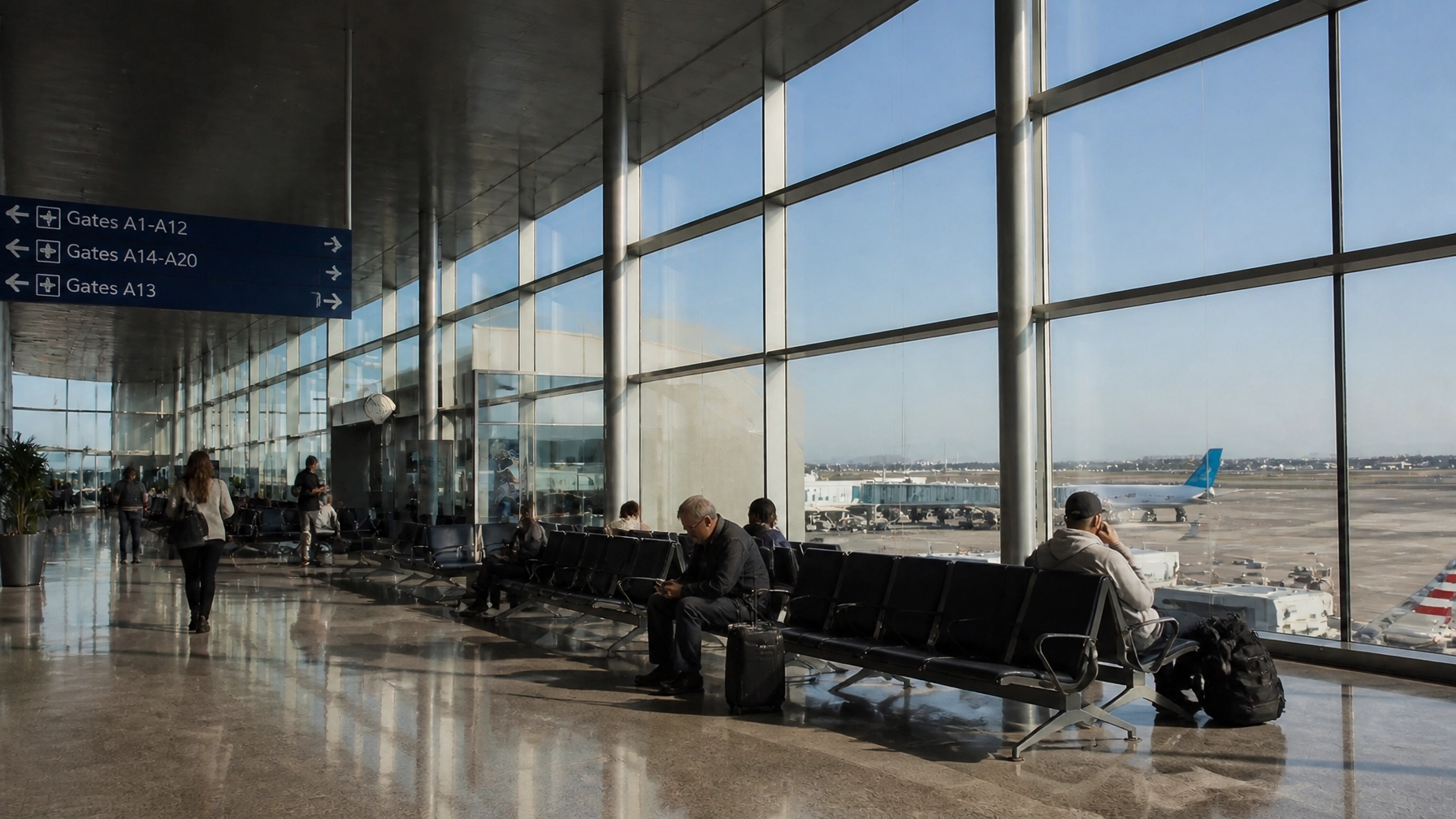
Travel is stressful. For neurodivergent travelers or those with sensory sensitivities, it can be a nightmare of fluorescent lights, loud announcements, and crowded gates.
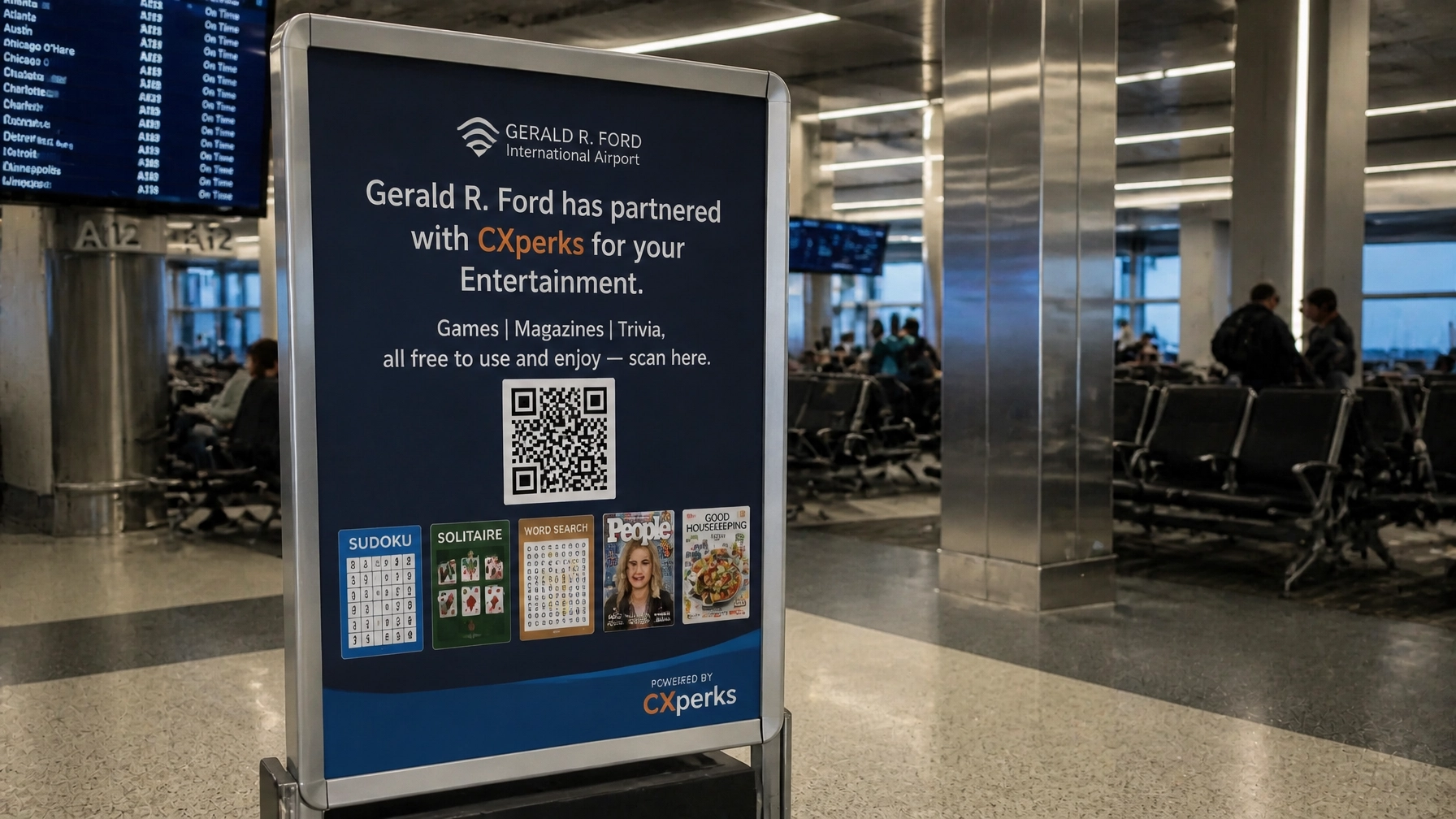
Gerald R. Ford International Airport (GRR): voted USA Today's Best Small Airport 2025: is tackling this head-on.
In March 2026, CXperks officially launched our partnership with GRR, making it our flagship airport location. Since then, we’ve watched how a thoughtful approach to the "waiting experience" transforms traveler behavior.
Most waiting rooms are designed for efficiency, not people.
Traditional approaches to distraction usually involve a loud TV playing cable news or a stack of germ-filled magazines from 2019. These don't help; they add to the sensory clutter.
For someone with sensory processing needs, that "distraction" is actually a trigger for anxiety.
We’ve said it before: unmanaged waiting creates frustration.
Blaring TVs are passive and intrusive. You can’t control the volume, the content, or the pace. In a sensory-heavy environment like an airport, people don't want more noise: they want a "safe space" they can control.
At GRR, the Sensory Room in Concourse A: a 1,000 sq. ft. space developed with Disability Advocates of Kent County: proves that controlled environments work.
It features four specific zones: Transition, Respite, Active, and Airplane Simulation.
The results are staggering. A post-occupancy study showed a 59.7% average reduction in anxiety for users.
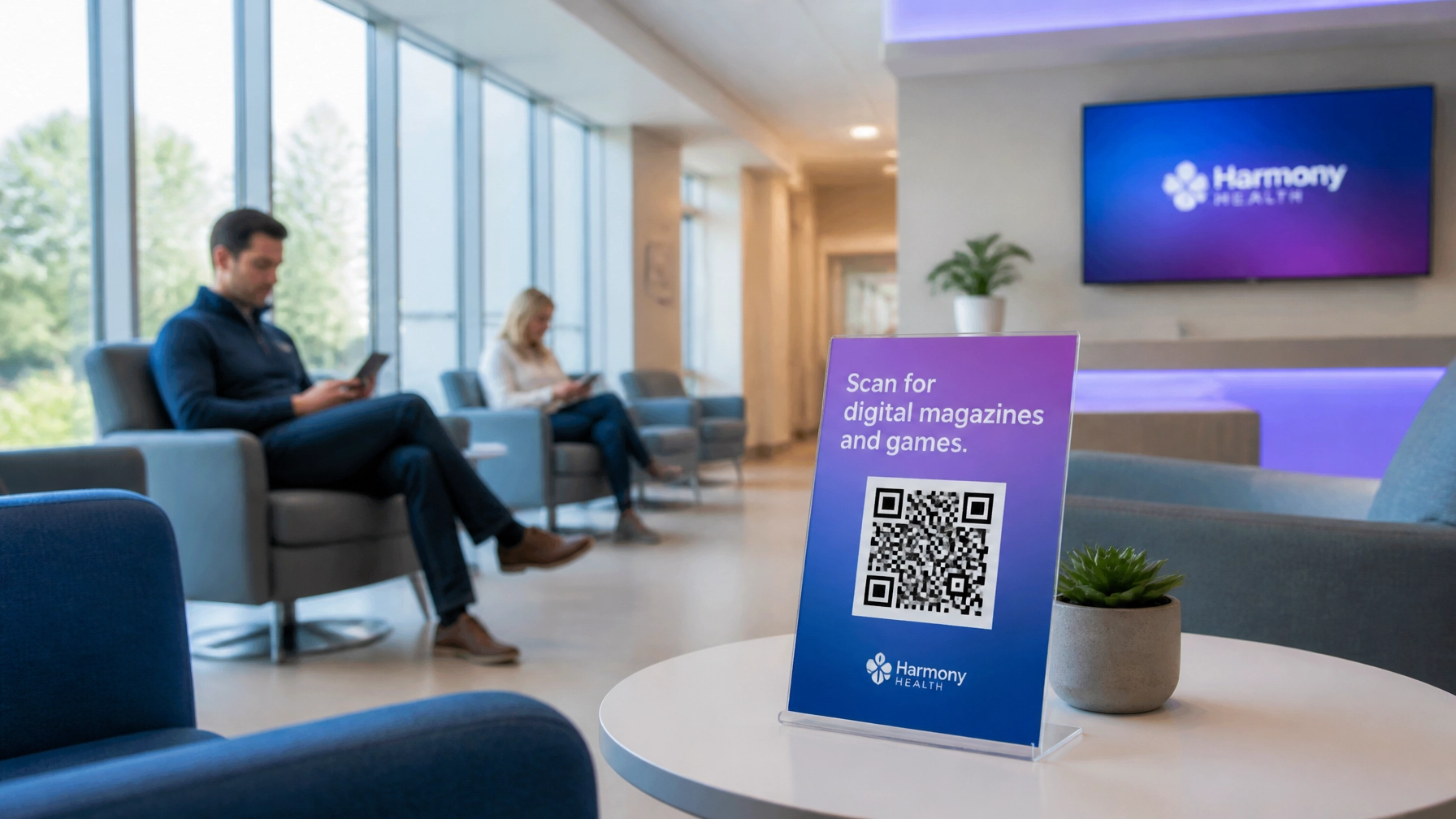
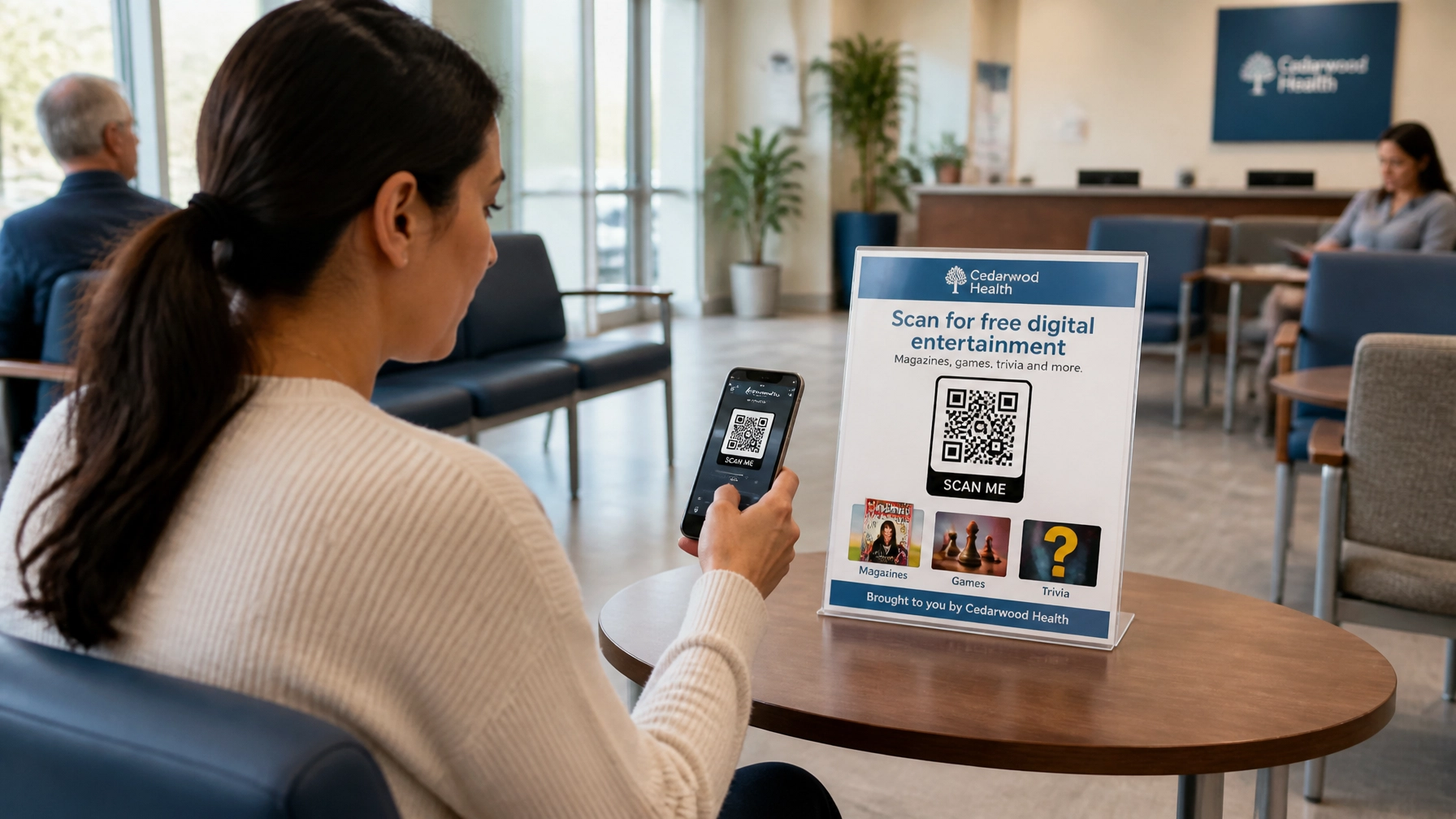
This works because it respects individual needs. It’s the same philosophy we use at CXperks. We provide a frictionless, no-app digital engagement hub accessible via QR code.
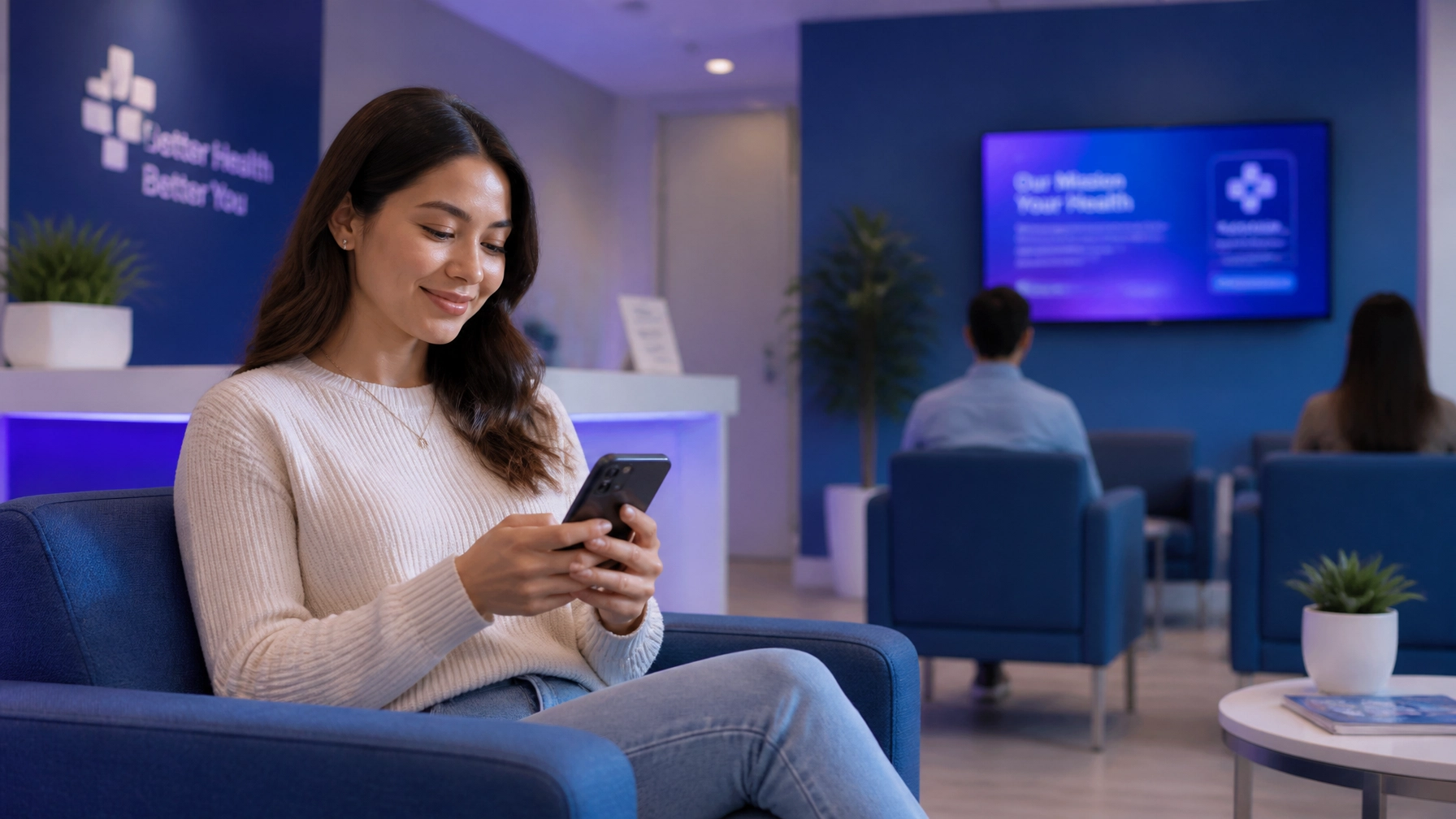
When you give someone access to trivia, curated magazines, and real-time info on their own device, you aren't just "entertaining" them. You are giving them a sense of control and a familiar, quiet interface.
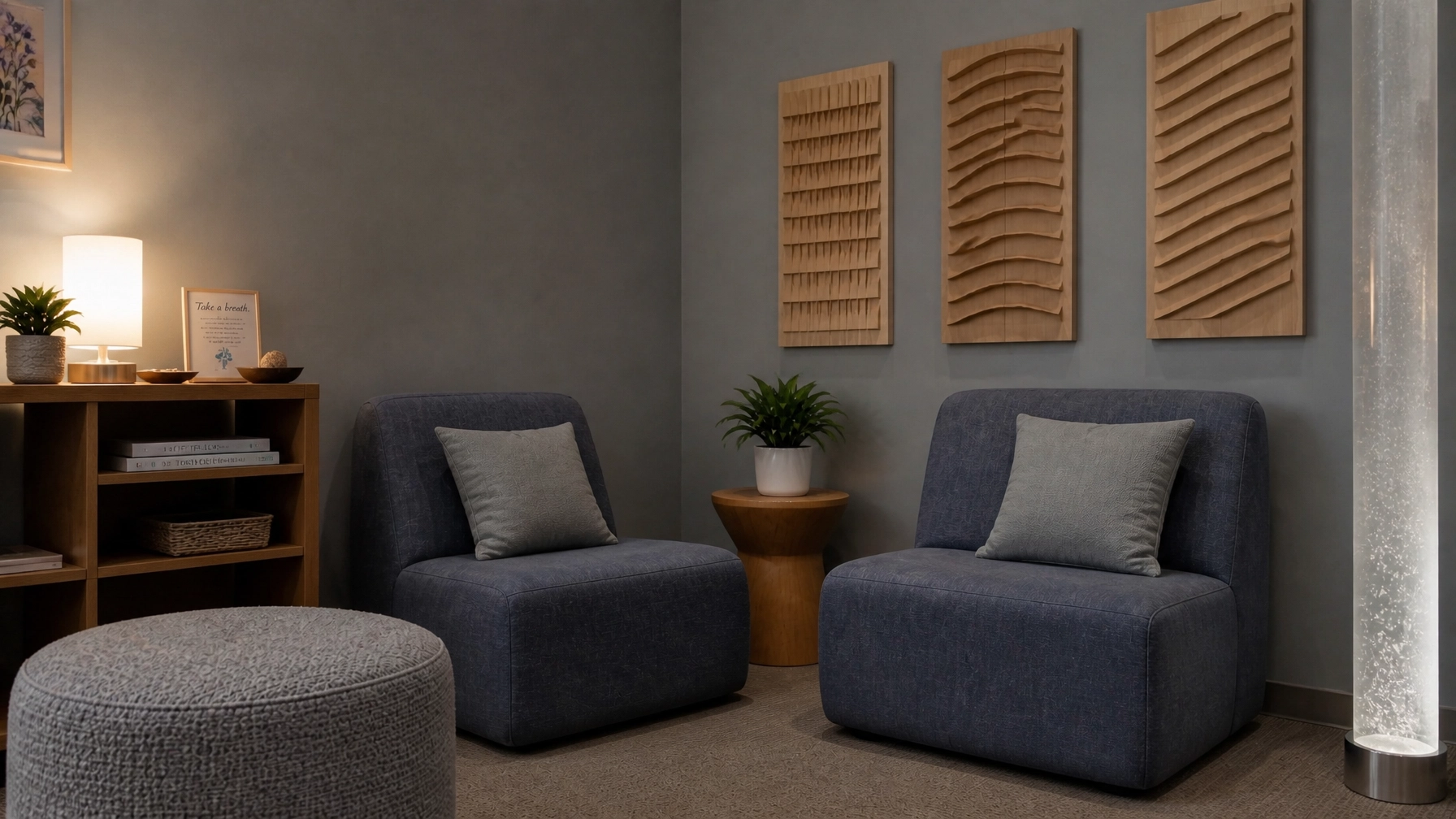
Back in September 2024, I wrote about creating sensory-friendly waiting rooms. I talked about sensory play, quiet corners, and inclusive entertainment.
What we’ve learned at GRR is that these aren't "extra" perks. They are essential.
If you can reduce a customer’s anxiety by nearly 60%, you aren't just being nice: you’re improving your HCAHPS scores, your Google reviews, and your overall brand loyalty.
Digital engagement isn't about more screen time; it's about better screen time.
By offering a frictionless way to engage, we meet travelers exactly where they are: on their phones, looking for a moment of peace.
If it works in a high-stress environment like Michigan’s first airport sensory room, it will work in your medical office, auto center, or lobby.
Wait time doesn't have to be wasted time.
If you’re ready to transform your waiting area into a high-satisfaction environment, let's talk.
Book a 15-minute intro with Scott T. Janney here