Why GRR's Sensory Room Proves Digital Engagement Belongs in Every Waiting Area
June 22, 2026
Learn More




Silence in a waiting room isn’t peaceful. It’s expensive.
Most business owners look at a quiet, orderly waiting area and think, "We’re doing great. Look how calm everyone is."
But if you look closer at the people in those chairs, you’ll see the reality. They aren’t calm; they’re checked out, anxious, or: worst of all: counting every single second.
In the world of customer experience, silence is a vacuum that people fill with frustration. When you give a customer nothing to do, you’ve essentially handed them a stopwatch and asked them to time how long you're taking.
At CXperks, we’ve spent years studying how people wait. What we’ve found is that unmanaged waiting doesn't just annoy people: it actively erodes your brand, your online reputation, and your bottom line.
There is a fundamental law in the psychology of waiting: Unoccupied time feels significantly longer than occupied time.
Think about the last time you sat in a silent medical office or a car dealership lounge. Without any distraction, your brain defaults to a high-frequency loop of "How much longer?" and "Did they forget about me?"
This isn't just a minor annoyance. According to research by David Maister, a leading authority on the psychology of service, the perceived wait is the only one that matters. If a patient waits 10 minutes but feels like it was 20, they will evaluate your entire service as if it took 20 minutes.
Silence amplifies this. In a quiet room, the ticking of a clock or the sound of a distant printer becomes a metronome for boredom. You are essentially paying for a space that makes your customers like you less with every passing minute.
For decades, the standard answer to the waiting room problem was a TV bolted to the wall.
Usually, it’s tuned to a 24-hour news cycle or a home renovation show that nobody actually wants to watch. But here is the problem: TVs are passive.
In 2026, people don’t want to be broadcast at. They want to be engaged. Most people in your waiting room are actively avoiding the TV by staring at the small screens in their pockets.

Passive entertainment doesn't reduce the perception of time because it doesn't give the customer a sense of agency. It’s just background noise.
Worse, some businesses try "silence" as a premium choice. Unless you are a high-end spa, silence in a professional setting often feels cold and clinical. It sends a message of indifference: "We provided a chair; the rest is up to you."
Look around any waiting room today. The behavior is identical across every industry, from healthcare to auto service.
People are on their phones. They are scrolling, checking emails, or playing games. They have already brought their own entertainment with them.
The mistake most businesses make is ignoring this. They view the phone as a competitor for the customer's attention rather than an opportunity for engagement.
"Unmanaged waiting creates frustration. Engagement changes perception," says Scott T. Janney, CEO of CXperks, in a recent internal strategy memo.
If your customers are already holding the most powerful engagement tool ever invented, why aren't you using it to improve their experience with you?
When you leave a waiting room "silent" and unmanaged, the costs show up in places you might not expect.
The solution isn't to ask people to download yet another app or log into a clunky Wi-Fi portal. Friction is the enemy of engagement.
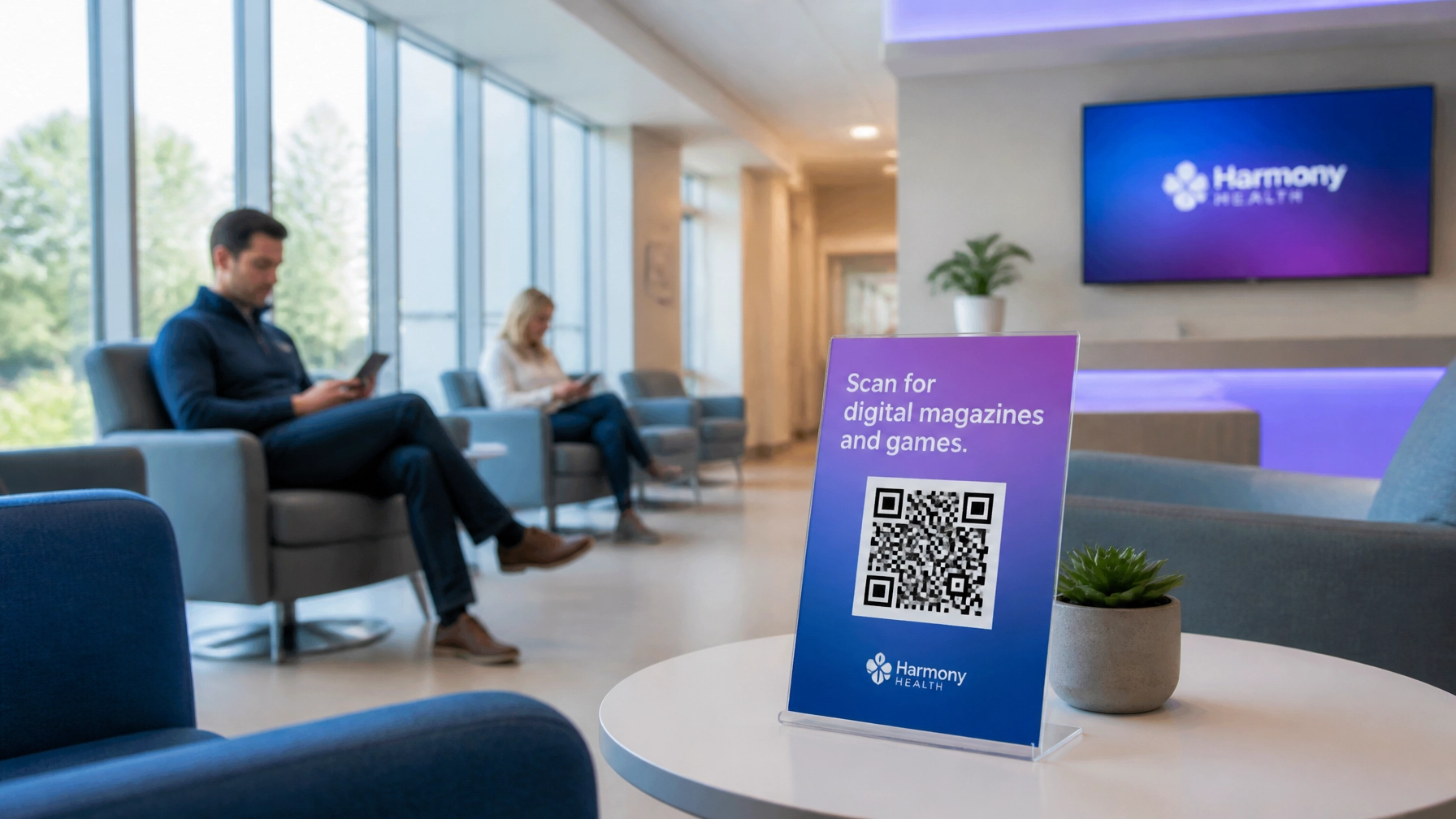
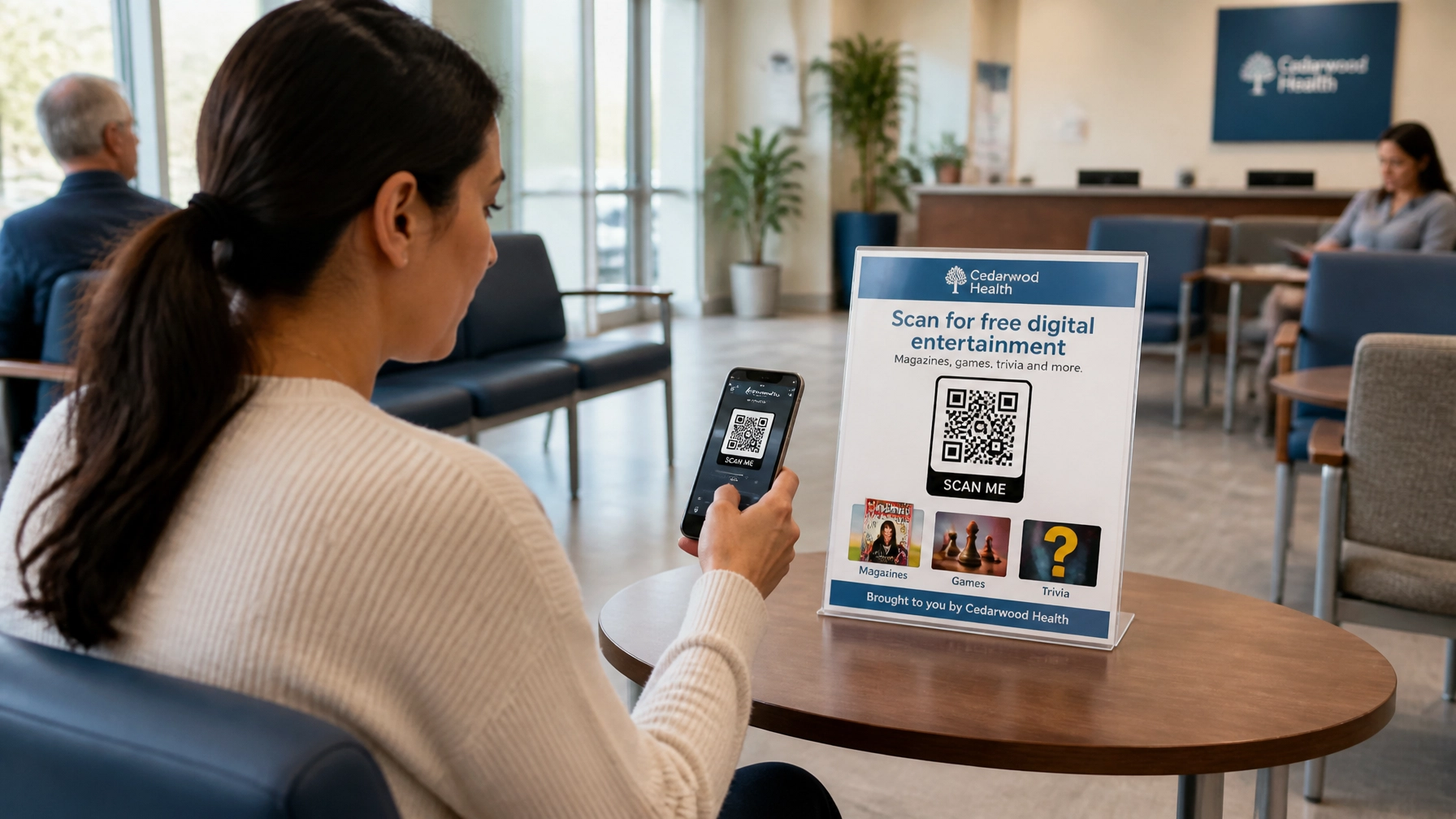
We built CXperks to be a "plug-and-play" digital engagement platform. The idea is simple: turn the wait time into an interactive experience accessible via a simple QR code scan.
No apps. No hardware. No personal data required.
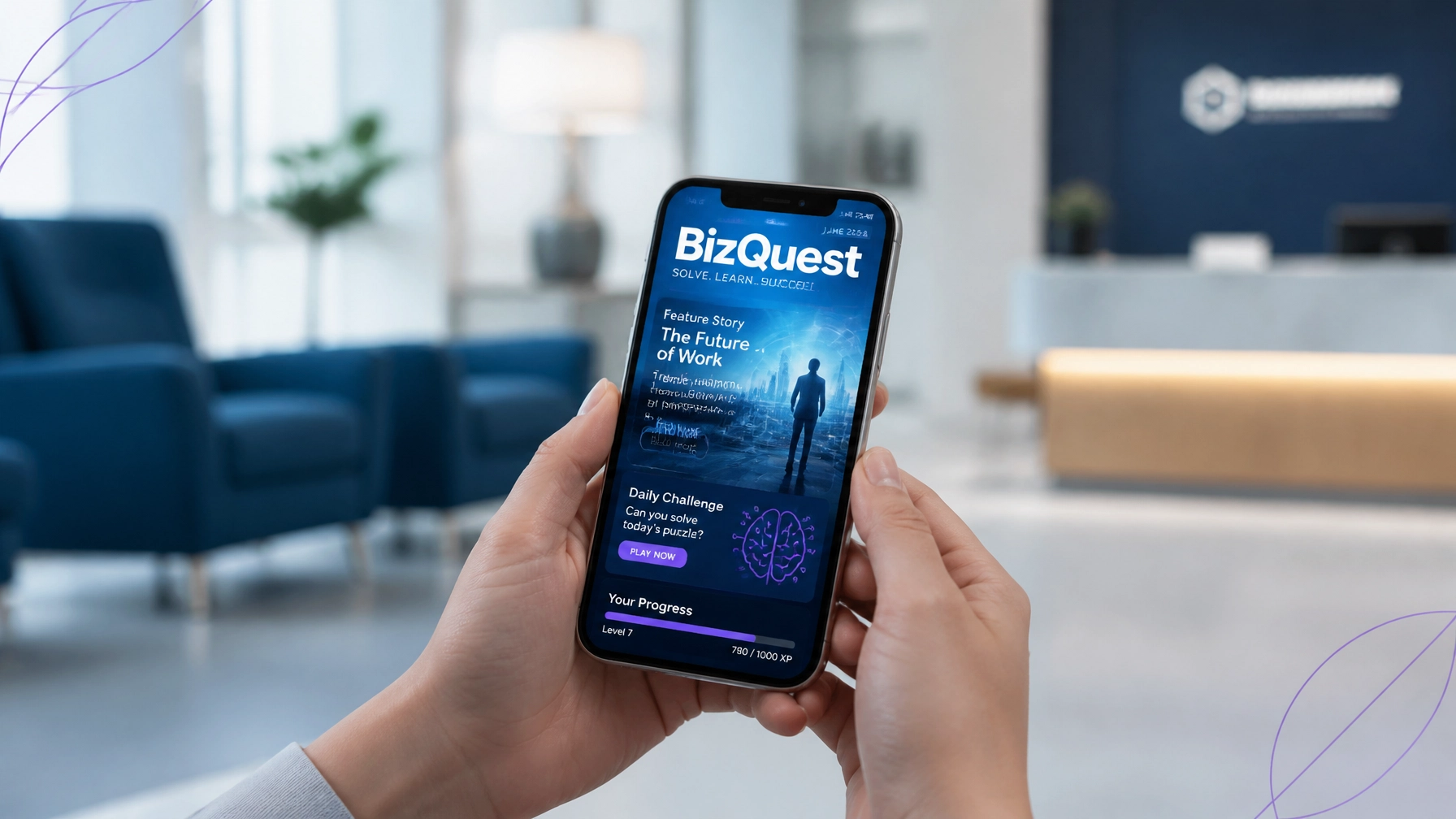
By providing curated digital magazines, trivia, and games, you occupy the customer's mind. You move them from "unoccupied time" to "useful time."
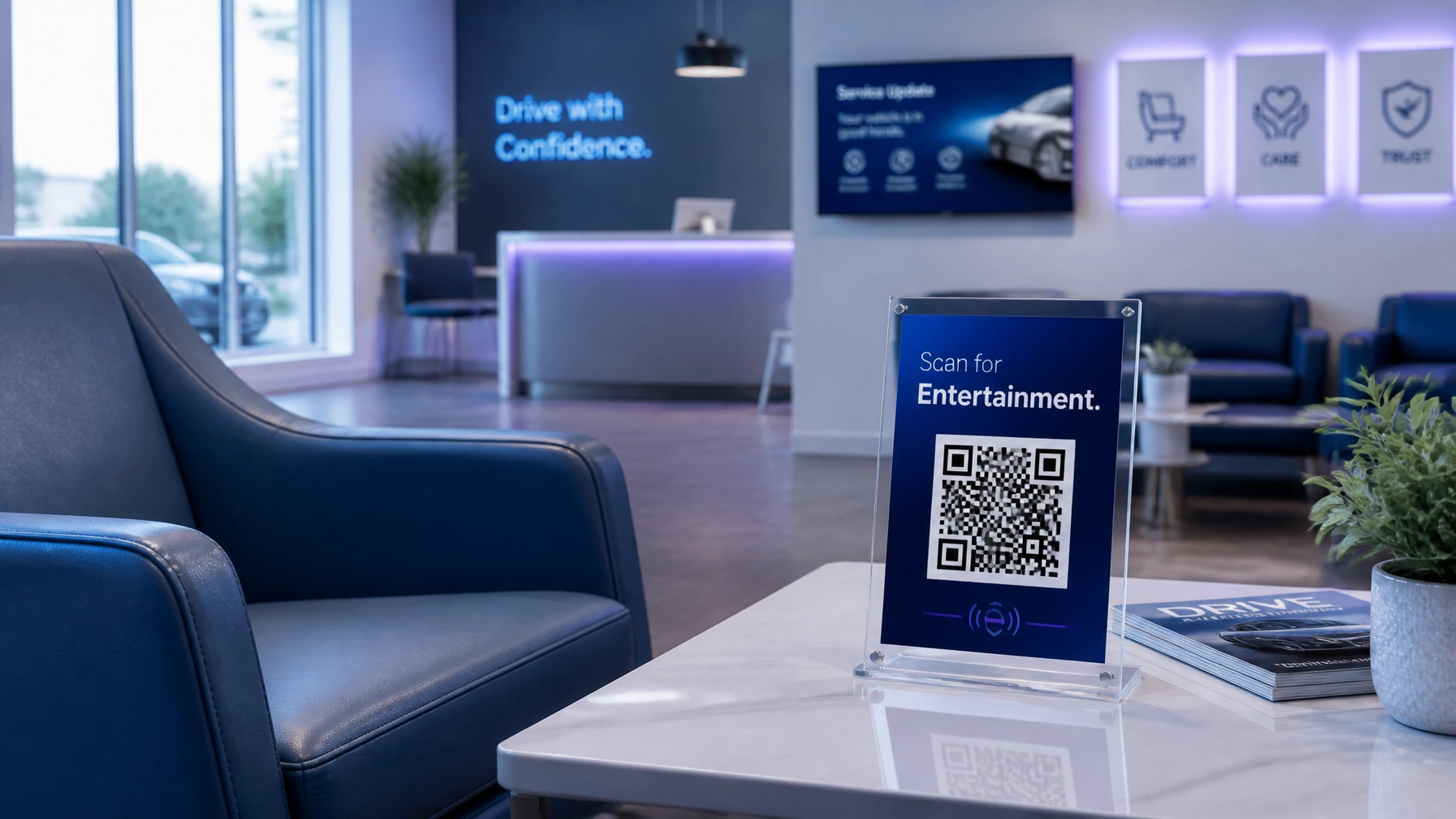
When a customer is engaged, the clock stops ticking in their head. Ten minutes of playing a trivia game or reading a high-quality article feels like five. You haven't changed the physics of time, but you’ve mastered the psychology of it.
Imagine if your waiting room was a tool for growth instead of a liability.
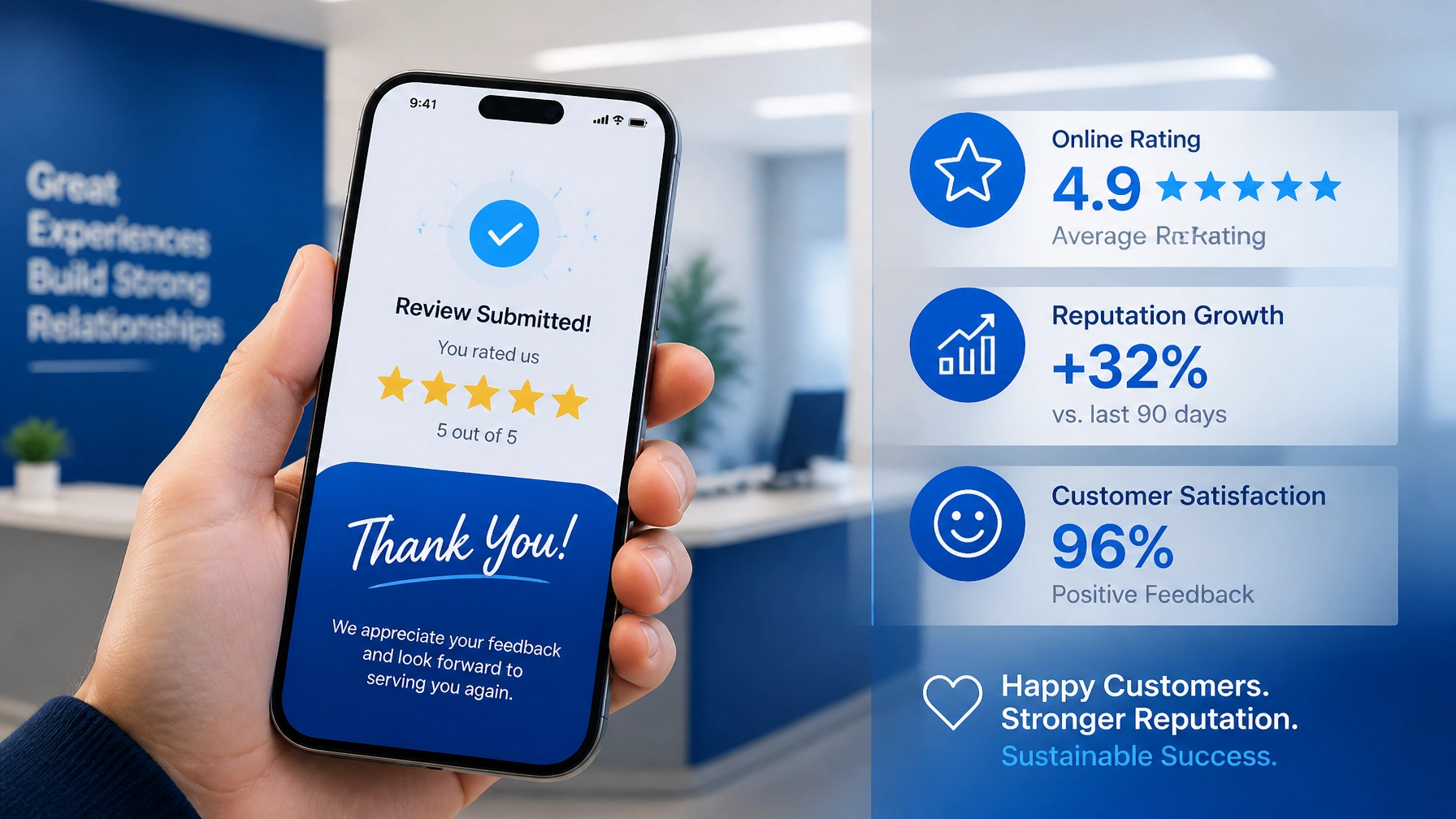
Instead of silence, you offer a Digital Content Hub. While they are entertained, you can naturally prompt them for a Google review or ask for their feedback through a quick survey.
Because they aren't frustrated by a "black hole" of silence, they are much more likely to give you that 5-star rating. You’ve changed the narrative from "I've been sitting here forever" to "I actually enjoyed catching up on those articles while I waited."
This is how modern businesses win. They recognize that every second a customer spends under their roof is an opportunity to build loyalty.
The "Silent Waiting Room" is a relic of an era when customers had no choice but to sit and stare at the wall.
In 2026, your customers have choices. They have high expectations for how their time is treated. If you don't value their time, they won't value your business.
Doing nothing is a choice: and it's a choice that carries a heavy price tag in the form of lower satisfaction and lost reputation.
It’s time to stop letting the clock run your waiting room. It’s time to start engaging.
Want to see how your waiting room can work for you?
Stop losing customers to the "black hole" of silence. Book a brief strategy session with Scott T. Janney to learn how CXperks can transform your customer experience.