Why GRR's Sensory Room Proves Digital Engagement Belongs in Every Waiting Area
June 22, 2026
Learn More




An "empty minute" is the longest sixty seconds in business.
It’s that specific window of time when a customer or patient has nothing to do but watch the clock. In a waiting room, time doesn't move linearly; it moves psychologically.
If you aren’t managing that minute, your customers are managing their frustration.
"Unmanaged waiting creates frustration. Engagement changes perception," says Scott T. Janney, CEO of CXperks, in a recent internal strategy session. This isn’t just a marketing slogan: it’s an operational reality grounded in decades of behavioral science.
In the world of customer experience, there are two types of time: actual and perceived.
Actual time is what the stopwatch says. Perceived time is what the human brain experiences. According to David Maister’s seminal work, The Psychology of Waiting Lines, "occupied time feels shorter than unoccupied time."
When a person is idle, their brain defaults to "time monitoring." They look at the dust on the baseboards. They check their watch. They calculate how much of their life they’ve "wasted" sitting in your lobby.
Statistics show that roughly 97% of patients feel some level of frustration during a wait. When that wait exceeds 15 minutes, satisfaction levels don’t just dip; they crater.
The problem isn't necessarily the 15-minute delay itself. The problem is that the 15 minutes felt like 30 because the patient had nothing to "do" but wait.
For decades, the standard response to the "empty minute" was a mounted television and a stack of three-year-old magazines.
Today, those solutions are not just ineffective: they’re actively ignored.
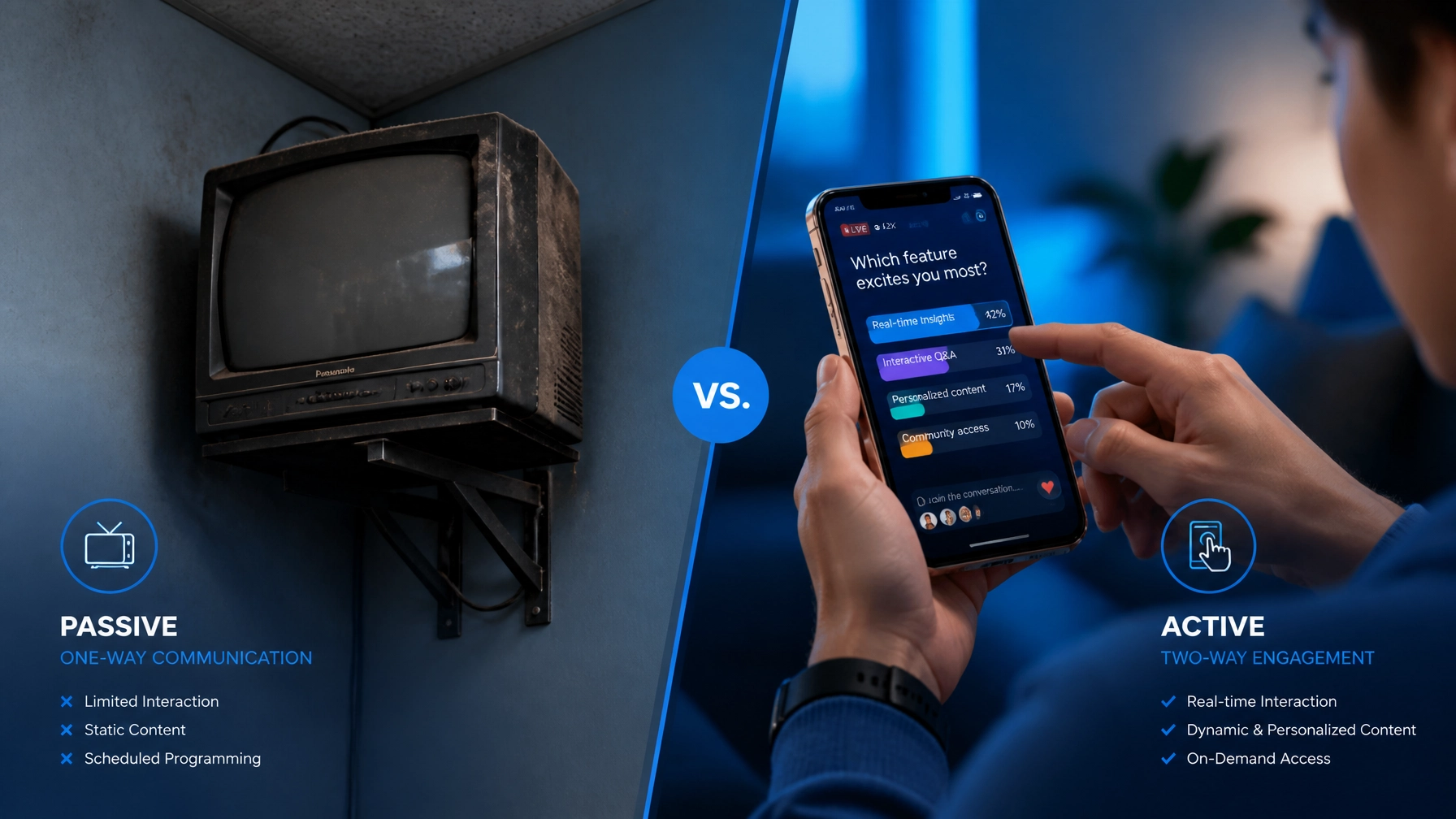
The waiting room TV is usually tuned to a news cycle that increases anxiety or a home renovation show that no one is watching. It’s passive background noise. It doesn't engage the brain; it just fills the room with sound.
Magazines are even worse. In a post-pandemic world, many people are hesitant to touch shared physical objects. Even if they aren't germ-conscious, the content is rarely relevant. A 2022 Highlights magazine in a dental office doesn't solve the "empty minute" for a 35-year-old professional.
These traditional tools fail because they ignore the fundamental shift in human behavior: the smartphone.
Modern customers don't want to be "entertained" by a screen on the wall. They want to be engaged on the screen in their hand.
The average person checks their phone 58 times a day. When they enter a waiting environment, that phone is their first line of defense against boredom. However, scrolling through a cluttered social media feed often increases stress rather than relieving it.
The operational opportunity lies in meeting the customer where they already are.
Instead of fighting the phone, businesses should be leveraging it. By providing a curated, frictionless digital experience, you transition the patient from "unoccupied time" to "occupied time."
This isn't about giving them a new app to download. No one wants more apps. It’s about providing instant, frictionless access to content that actually matters to them: trivia, digital magazines, local offers, and interactive games.
In healthcare, the "empty minute" has a direct financial cost.
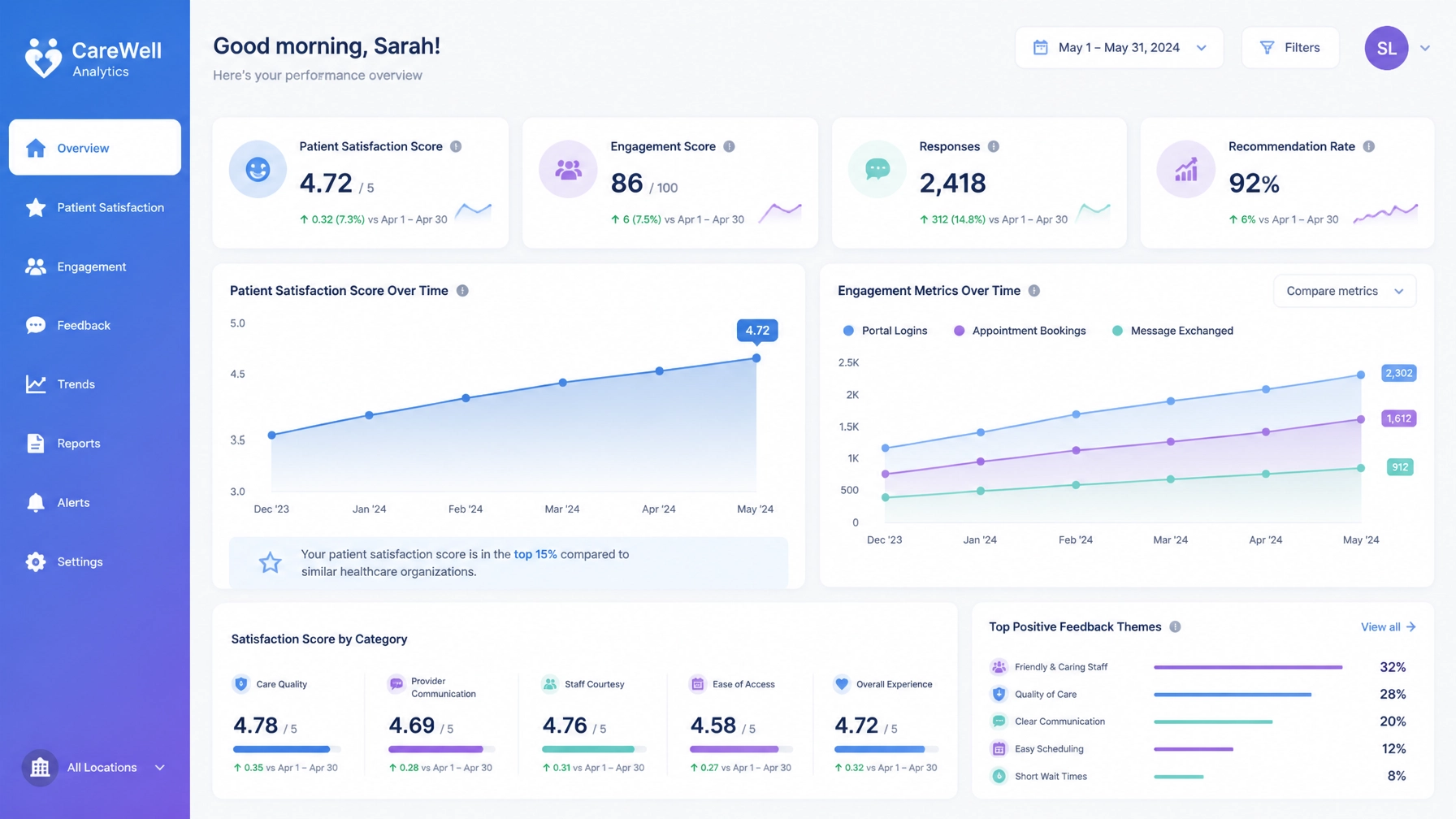
While the HCAHPS (Hospital Consumer Assessment of Healthcare Providers and Systems) survey doesn't have a specific question about wait times, it measures the downstream effects of a poor waiting experience.
A study published in the Journal of Medical Practice Management found that patient satisfaction scores are significantly higher when wait times are managed through engagement, even if the actual duration of the wait remains the same.
Many businesses attempt to solve this by offering free Wi-Fi. But Wi-Fi is just a utility; it isn't an engagement strategy.
Others try to force customers into proprietary apps or complex login screens that require personal data. This creates friction. Friction is the primary reason why digital engagement programs fail.
"If you ask a patient for their email address or a password just to see a digital magazine, they’ve already checked out," notes Scott T. Janney.
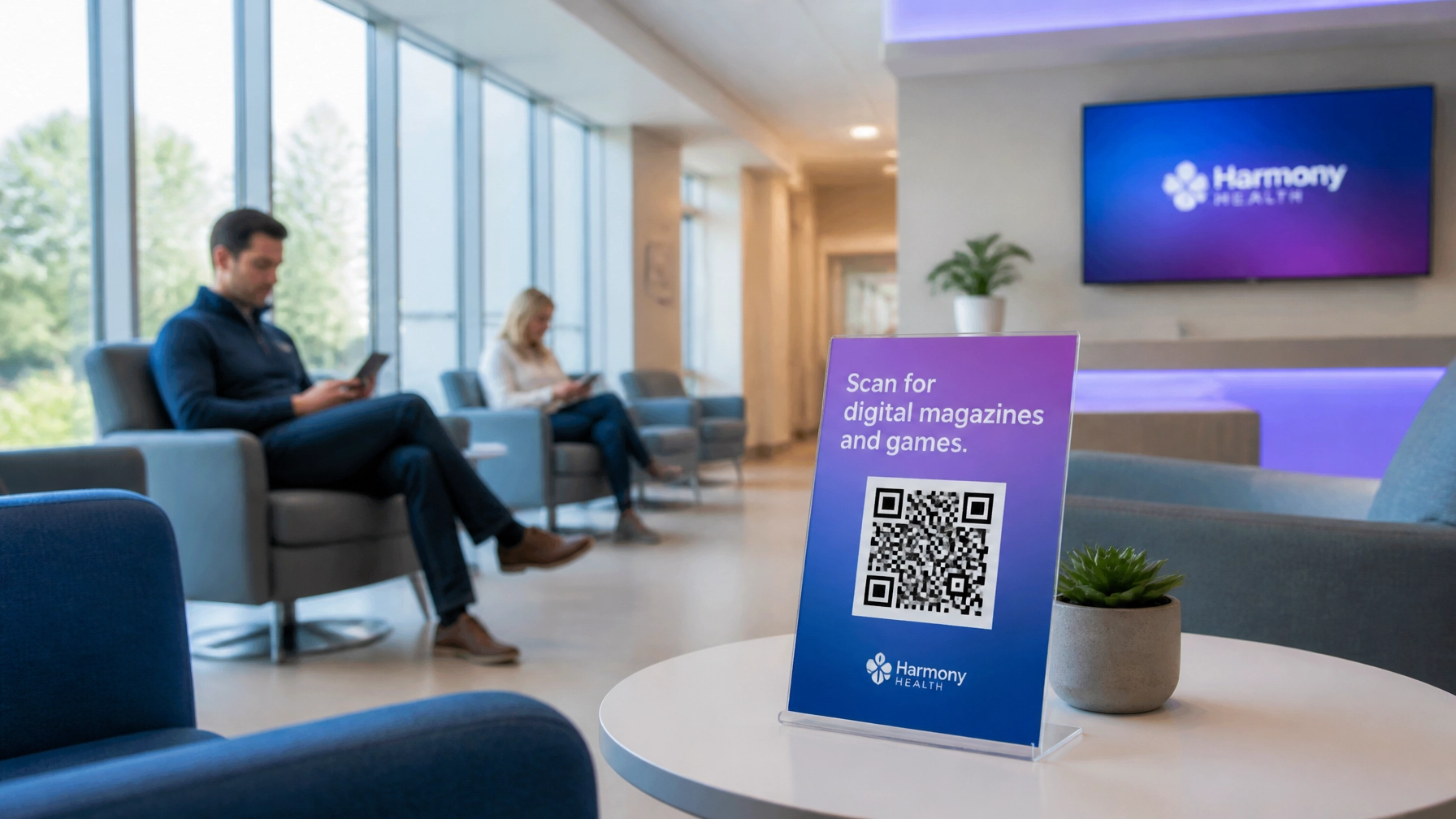
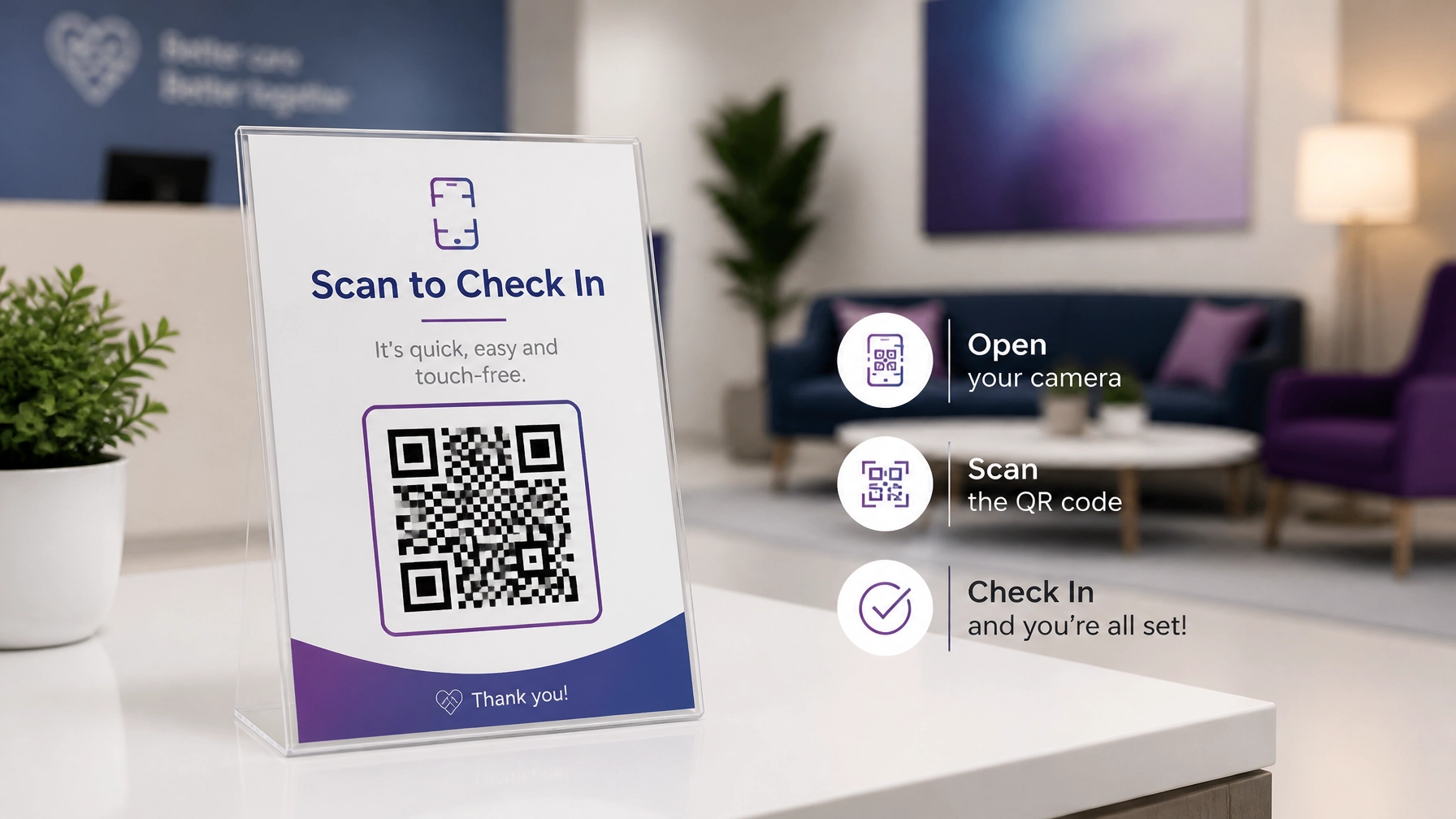
The goal of CXperks was to remove every barrier. No apps, no logins, no personal data. Just a scan of a QR code and instant access to a curated "Digital Content Hub."
By making the transition from "waiting" to "engaging" seamless, businesses can effectively shrink the perceived wait time by 30% to 50%.
When you occupy the "empty minute," you do more than just lower frustration. You create a window for growth.
An engaged customer is a receptive customer. While they are enjoying a game or reading a curated article, they are in a prime position to:
You are turning a liability (wait time) into an asset (engagement time).
Wait time is the only thing your customer can never get back.
If you treat their time as a commodity, they will treat your service as a commodity. But if you respect their time by providing a meaningful, frictionless way to occupy it, you change the entire narrative of their visit.
Perception is reality. If they feel like they didn't wait, they didn't wait: regardless of what the clock says.
Is your waiting room managing the minute, or is the minute managing your reputation?
Ready to transform your waiting experience?
Don't let "empty minutes" erode your patient satisfaction and HCAHPS scores. See how CXperks can turn your lobby into a loyalty-driving engine.