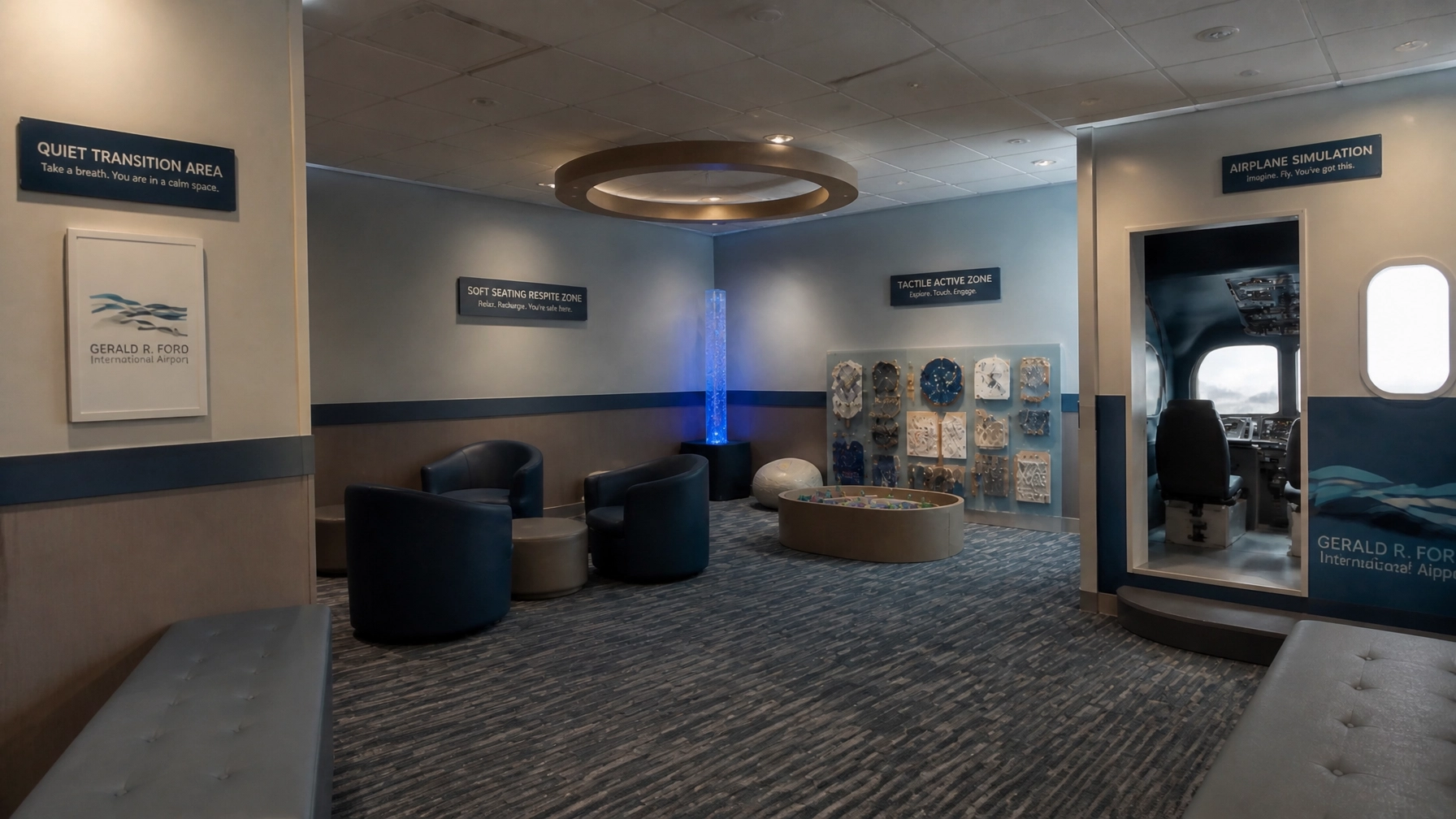
Why GRR's Sensory Room Proves Digital Engagement Belongs in Every Waiting Area
June 22, 2026
Learn More



In the modern digital landscape, the most valuable currency isn’t data or even dollars, it’s attention. We live in an age of instant gratification where a three-second delay in page loading can lead to a 40% bounce rate. For businesses that operate in the physical world, from healthcare clinics to automotive repair shops, this shift in human patience presents a massive challenge. When a customer sits in your waiting room, they aren't just sitting; they are actively looking for an escape from the "dead time."
Traditionally, businesses have filled this void with stack of year-old magazines or a television tuned to a news cycle no one asked for. However, these are passive experiences that fail to capture the modern consumer's interest. To truly thrive today, you must transform these stagnant minutes into active, engaging "wow" moments. This is where the concept of the "60-Second Hook" comes into play, utilizing digital micro-interactions to reclaim the waiting experience and build lasting brand loyalty.
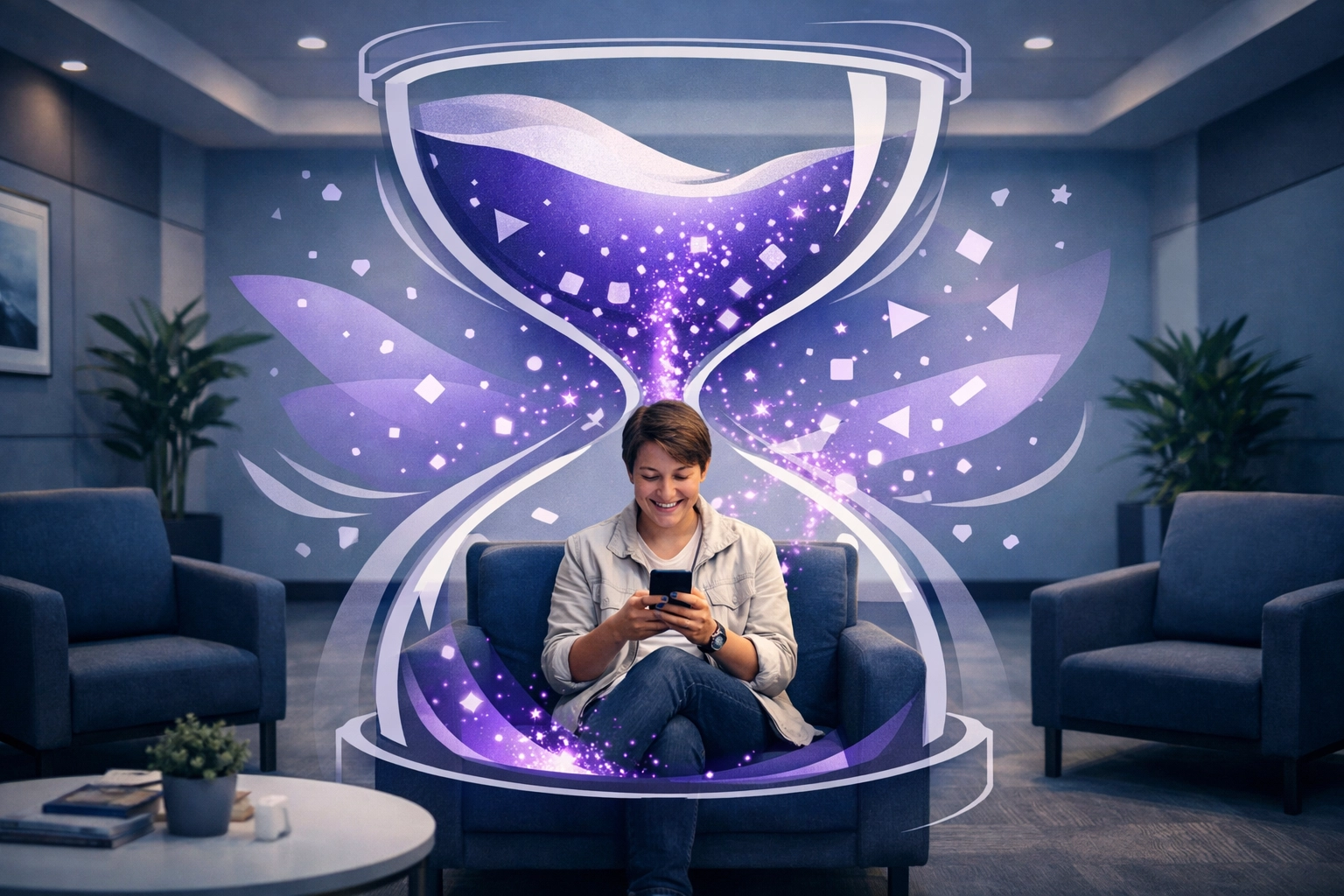
The first step in mastering the waiting room experience is realizing that time is subjective. There is a profound difference between actual wait time and perceived wait time. When a customer is bored, every minute feels like five. Conversely, when a customer is engaged in a task, even a small one, time seems to accelerate.
This phenomenon is rooted in what psychologists call "unoccupied time." Unoccupied time feels significantly longer than occupied time. By providing a "hook", a quick, engaging digital interaction, you shift the customer's brain from a state of passive frustration to active participation.
How to reset the clock for your customers:
A micro-interaction is a contained, functional moment that accomplishes a single small task. In the world of SaaS and digital product design, these are things like the "like" button on a social post or the pulling down to refresh an email feed. When brought into the healthcare or hospitality waiting room, these interactions serve as a bridge between the customer and your brand.
At CXperks, we focus on micro-interactions that are fun, light, and informative. Think of a five-question trivia game about local history, a "this or that" poll about office coffee preferences, or a quick 15-second survey about their day. These aren't just distractions; they are strategic touchpoints.
Best Practices for Micro-Interactions:
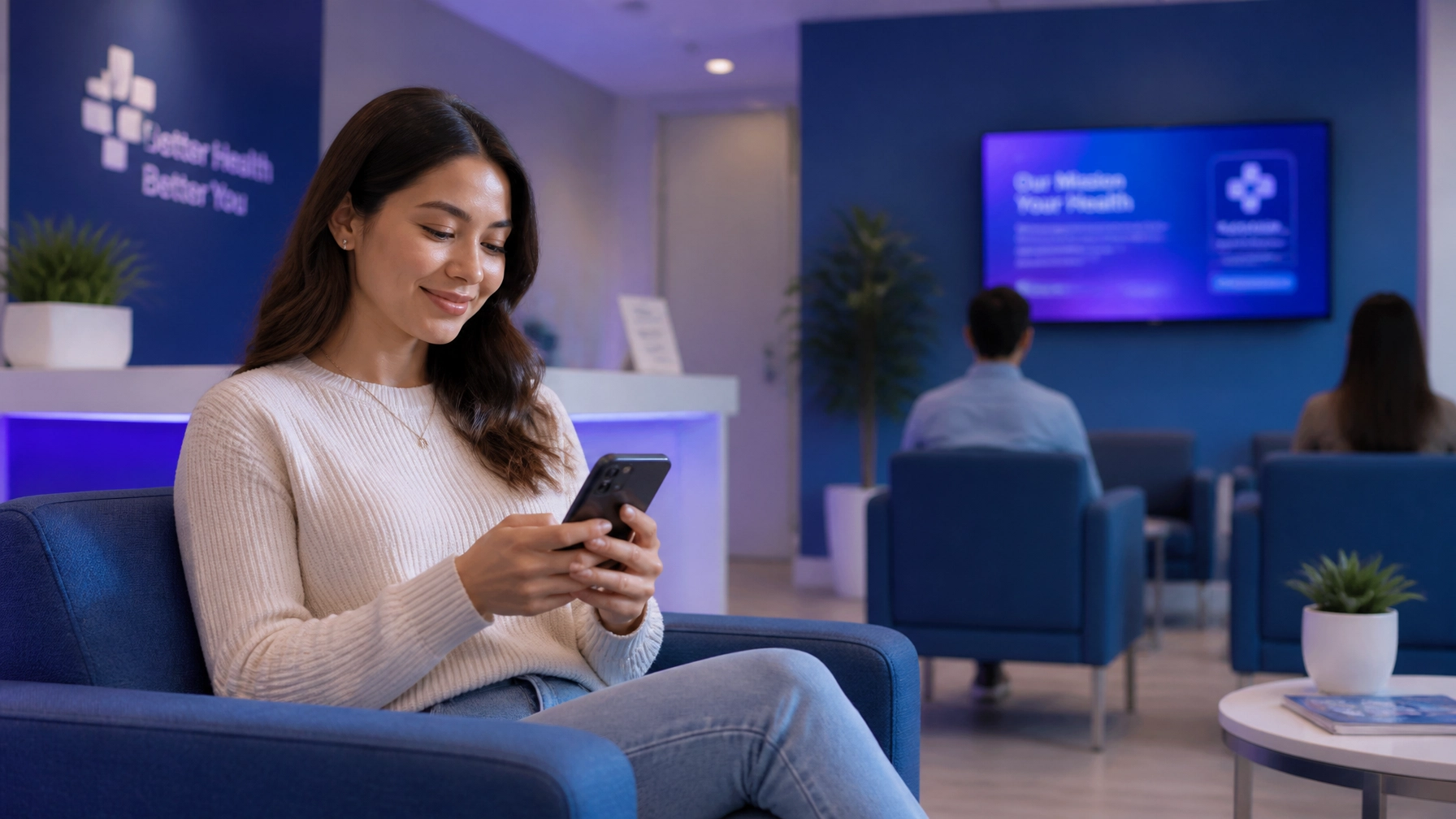
One of the biggest mistakes businesses make is requiring customers to jump through hoops to engage with them. In a world where phone storage is at a premium and privacy concerns are at an all-time high, asking a customer to download a dedicated app just to see a menu or play a game is a non-starter.
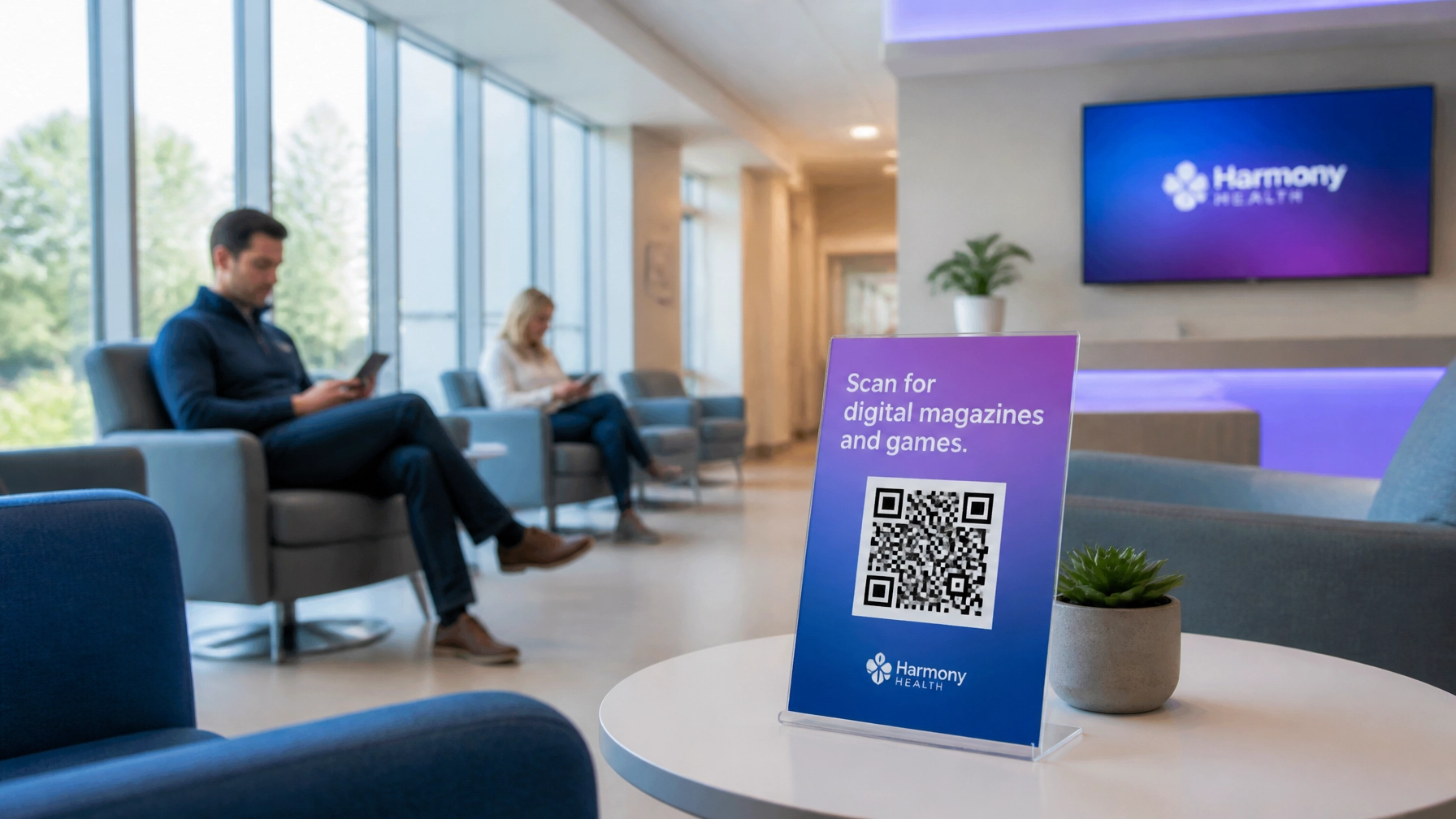
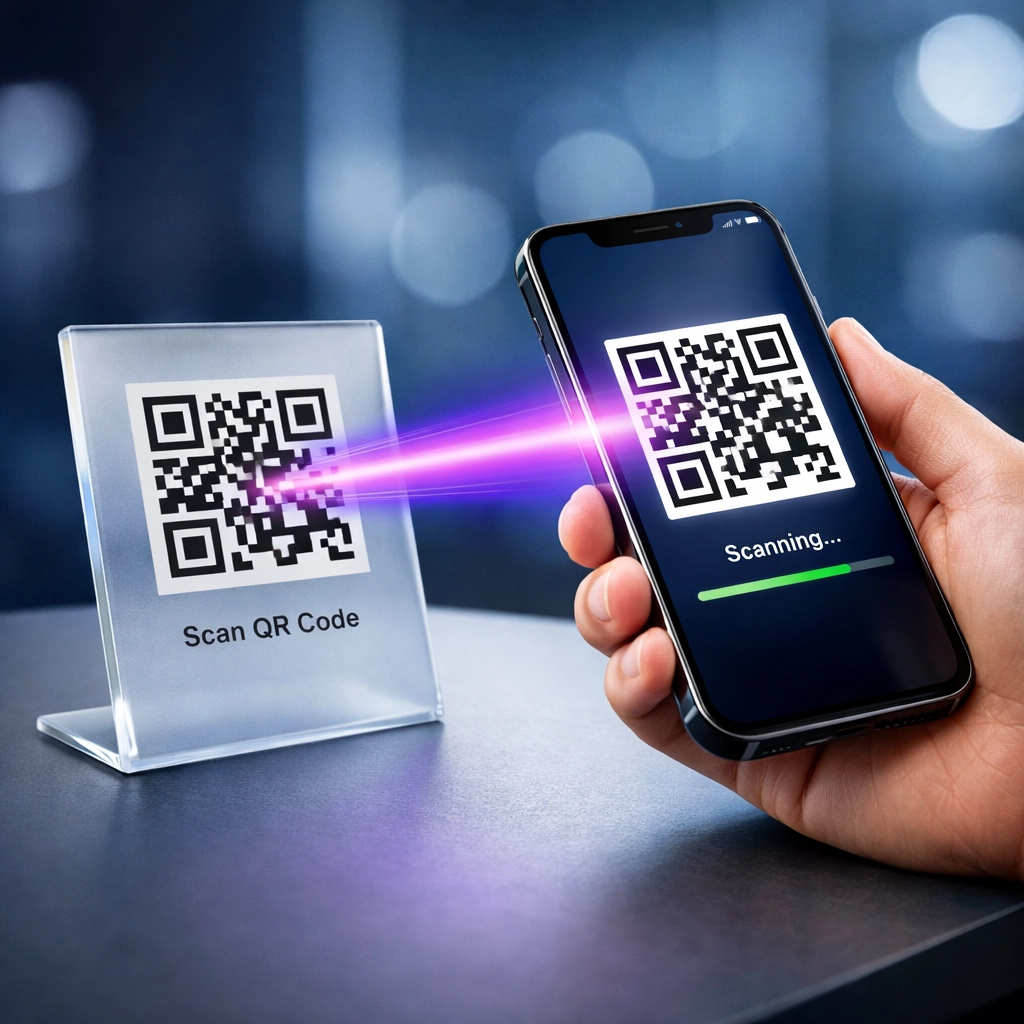
Friction is the ultimate engagement killer. To create a "Wow" moment, the transition from the physical world to the digital one must be invisible. This is why a simple QR code scan that leads directly to a mobile-optimized web experience is the gold standard.
Why frictionless matters for your business:
While the primary goal of the 60-second hook is to improve the customer experience, the secondary benefit is the wealth of insight you can gain. Every poll answered and every trivia question engaged with provides you with "Zero-Party Data", data that a customer intentionally and proactively shares with you.
For example, if you run a salon, a quick "What’s your hair goal for this summer?" poll doesn't just entertain the customer; it tells you exactly what services to recommend once they are in the chair. This creates a personalized experience that feels like magic to the customer but is actually the result of smart, micro-interaction-driven data.
Leveraging customer insights:
Loyalty isn't built solely through massive, expensive gestures. It is often the result of a series of small, positive interactions that add up over time. When a customer has a pleasant, stress-free wait at your laundromat or entertainment venue, they associate your brand with ease and modern convenience.
The 60-second hook creates a "halo effect." If the digital interaction was smooth and enjoyable, the customer is more likely to view the rest of their service, whether it’s a medical consultation or a car oil change, in a positive light. You are essentially pre-loading their experience with a win.
Actionable steps to build loyalty:

Every industry has its own unique version of the "wait." In transit hubs, the wait is often filled with anxiety about delays. In healthcare, it might be filled with nerves about a procedure. The beauty of micro-interactions is their versatility; they can be tuned to the emotional state of your specific audience.
For transit, micro-interactions might focus on "Quick Facts about your Destination." For healthcare, it might be "3 Simple Breathing Exercises for Relaxation." By meeting the customer where they are emotionally, you transform a period of high stress or boredom into a period of value.
Strategies for specialized waits:
The future of customer experience isn't about eliminating the wait entirely: often, that’s impossible. It’s about owning the wait. By implementing the 60-second hook and focusing on frictionless micro-interactions, you turn a potential negative into a definitive positive. You aren't just a business that makes people wait; you are a brand that values its customers' time and attention.
At CXperks, we’ve spent years perfecting the art of the digital hook. Our platform is designed to be simple for you to deploy and even simpler for your customers to enjoy. No apps, no logins, just pure engagement.
As Scott T. Janney always says, "The best customer experiences are the ones that respect the customer's reality." If your reality involves a waiting room, it's time to make those minutes count.
Let’s discuss how we can bring these "Wow" moments to your business. Whether you're in healthcare, hospitality, or retail, there’s a 60-second hook waiting to be discovered.