Why GRR's Sensory Room Proves Digital Engagement Belongs in Every Waiting Area
June 22, 2026
Learn More




In the modern business landscape, we are currently living through what experts call the "Attention Economy." Every brand, from your local florist to global tech giants, is screaming for a slice of your cognitive real estate. We are bombarded by push notifications, flickering billboards, and pre-roll ads that we can’t skip fast enough. This constant noise has created a defensive reflex in the average consumer: we’ve become experts at tuning things out.
When a customer walks into your waiting room, they are often in a state of transition: perhaps they are a bit anxious about a medical appointment, impatient for their car repair, or simply trying to catch a moment of peace before a hair transformation. In these high-stakes environments, the traditional "loud" approach to marketing isn't just ineffective; it’s intrusive. To truly win the loyalty of your guests, your brand needs to adopt a new philosophy: be seen, but rarely heard.
The human brain is wired to seek patterns and clarity, especially when we are in unfamiliar or stressful environments. Research into "silent branding" suggests that deliberate restraint: using minimal colors, simple messages, and clear lines: actually makes a brand appear higher in quality. When a space feels calm, the consumer’s brain doesn’t have to work as hard to filter out "noise," which leads to an immediate increase in trust.
In a waiting room, "loud" branding looks like a TV blaring 24-hour news or aggressive sales posters plastered over every square inch of wall. This creates visual and auditory chaos. Conversely, subtle branding feels like relief. It communicates that your business is self-assured and doesn’t need to beg for attention. By creating a visual focal point rather than a visual assault, you allow your customers to relax.
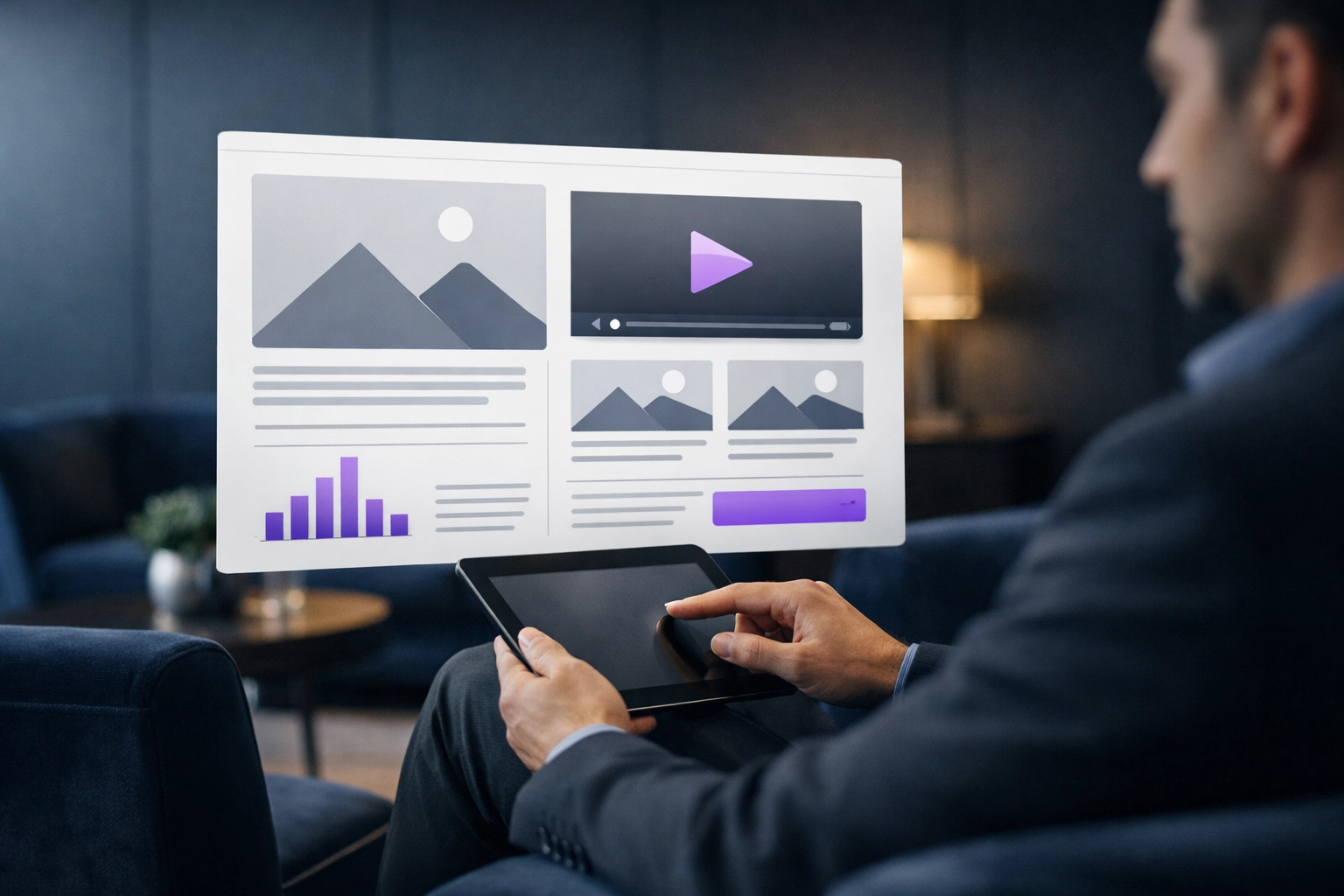
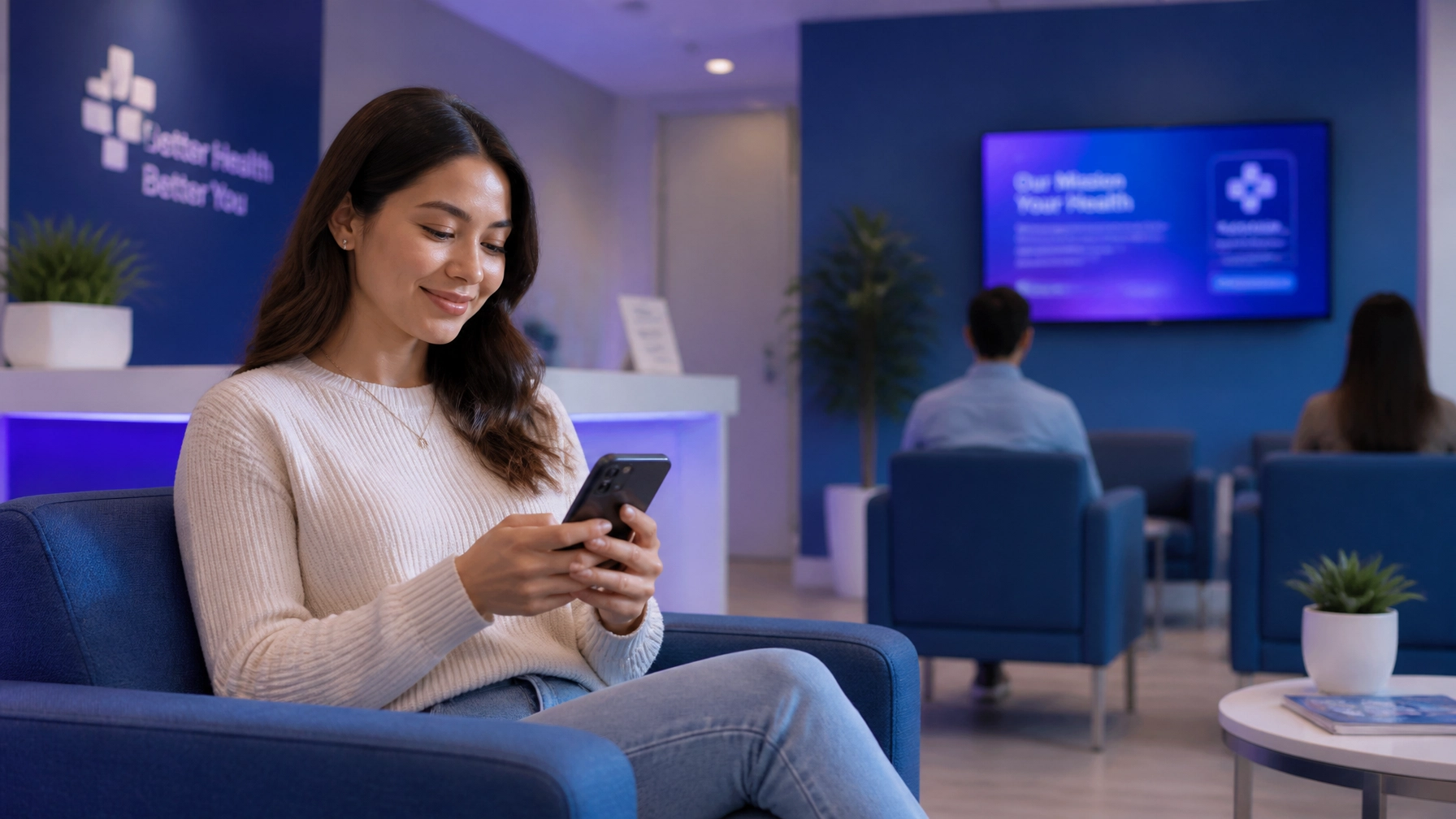
To be "seen" without being annoying, your brand must integrate into the customer’s existing behavior. What is the first thing people do when they sit down to wait? They look for a way to kill time. Historically, this meant picking up a germy, outdated magazine. Today, it means reaching for their phone.
This is where CXperks changes the game. Instead of fighting for attention against the infinite scroll of social media, you provide a high-quality digital experience that reflects your brand’s taste.
How to be "Seen" effectively:
When your brand provides the platform for this entertainment, you are "seen" as a provider of value rather than a source of interruption. You aren't forcing a sales pitch; you're facilitating a pleasant experience.
In the "Seen, Not Heard" model, your voice is a precision tool, not a megaphone. If you talk all the time, your customers will stop listening. But if you only speak when you have something truly valuable to say, they’ll lean in.
Think of it as a "whisper" strategy. You don't need a 30-second commercial playing on a loop. Instead, you use well-timed, frictionless micro-interactions. For example, after a customer has spent ten minutes enjoying a digital crossword or reading a top-tier article on your CXperks platform, a subtle prompt appears: "Enjoying your wait? We’d love to hear your feedback."
Because you’ve already provided value (the entertainment), the request for a review or a sign-up feels like a fair exchange rather than a demand. This is how you watch your Google reviews soar without ever having to "shout" at your customers.
One of the loudest things a brand can do is demand that a customer change their behavior. Asking a guest to download a proprietary app just to see your menu or read a magazine is a "loud" request: it requires data, storage space, and effort.
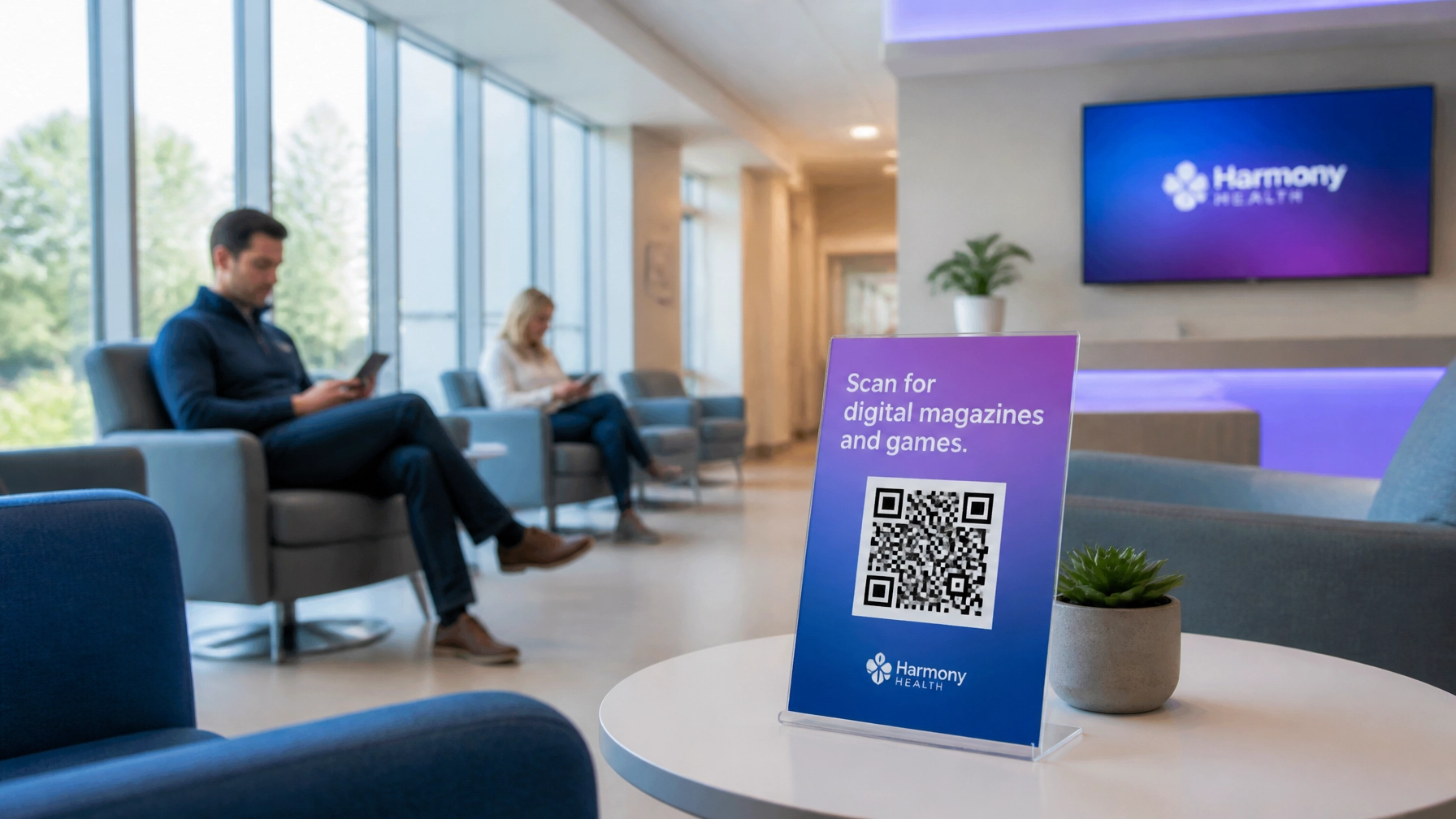
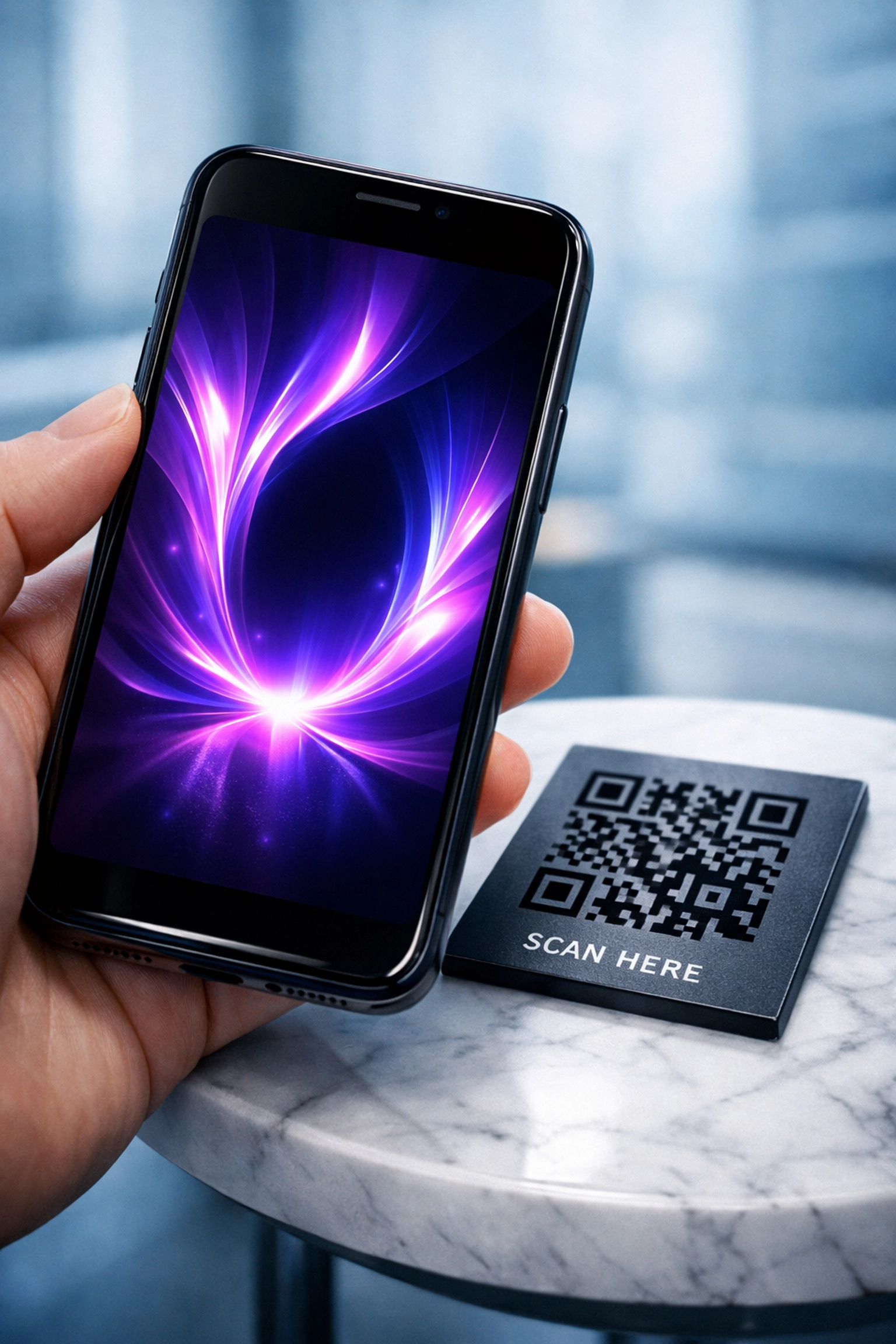
To remain subtle and respectful, the engagement must be frictionless. This is why we focus on high-quality QR code experiences. When a customer scans a code and instantly lands in a premium content world: no login, no password, no app store: they feel respected.
Best Practices for QR Content:
The beauty of subtle branding is that it scales across every sector that has a waiting environment. Whether you are running a salon, a healthcare clinic, or a laundromat, the goal remains the same: reduce the perceived wait time by providing silent value.
Business owners often worry that if they aren't constantly promoting, they’ll be forgotten. However, the opposite is true in 2026. Constant promotion leads to brand fatigue. Subtle branding builds a presence that feels inevitable rather than intrusive. It’s the difference between a brand that interrupts the conversation and a brand that is the conversation.
Trust is built through a series of small, positive interactions. When you prioritize the comfort and entertainment of your guest over a loud sales message, you are making a trust "deposit." Over time, these deposits build a loyal customer base that views your business as a partner in their lifestyle, not just a service provider.
The shift from "loud" to "subtle" doesn't require a total renovation of your physical space. It starts with a change in how you value your customer's time. By replacing the noise with high-quality, value-driven content, you position your brand as a leader in customer experience.
Ready to see how a "Seen, Not Heard" strategy can work for your specific business? Let’s turn your waiting area from a place of boredom into a hub of engagement.
Ready to transform your customer experience? Book a quick chat with our CEO, Scott T. Janney, to see a demo of CXperks in action.