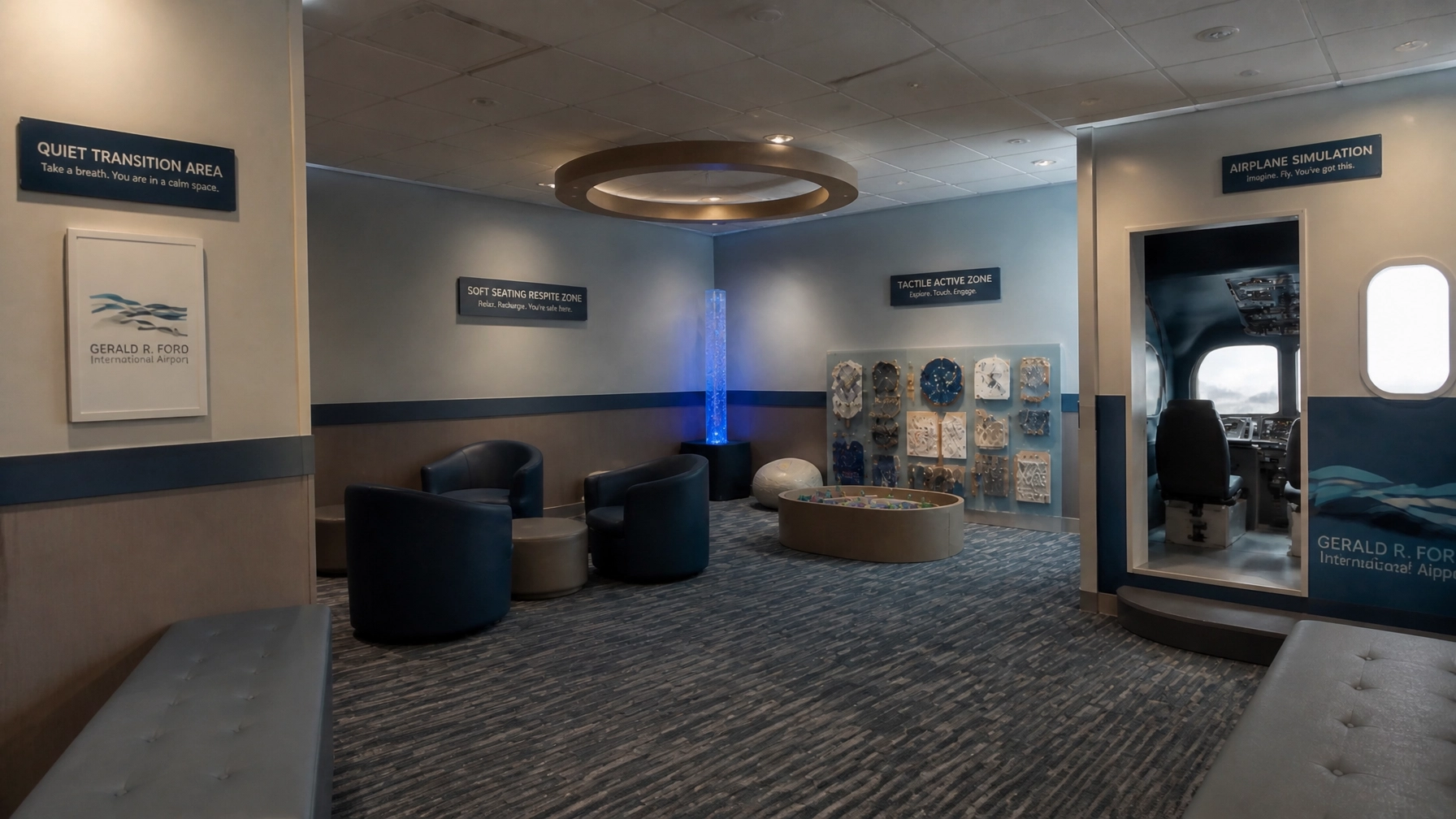
Why GRR's Sensory Room Proves Digital Engagement Belongs in Every Waiting Area
June 22, 2026
Learn More




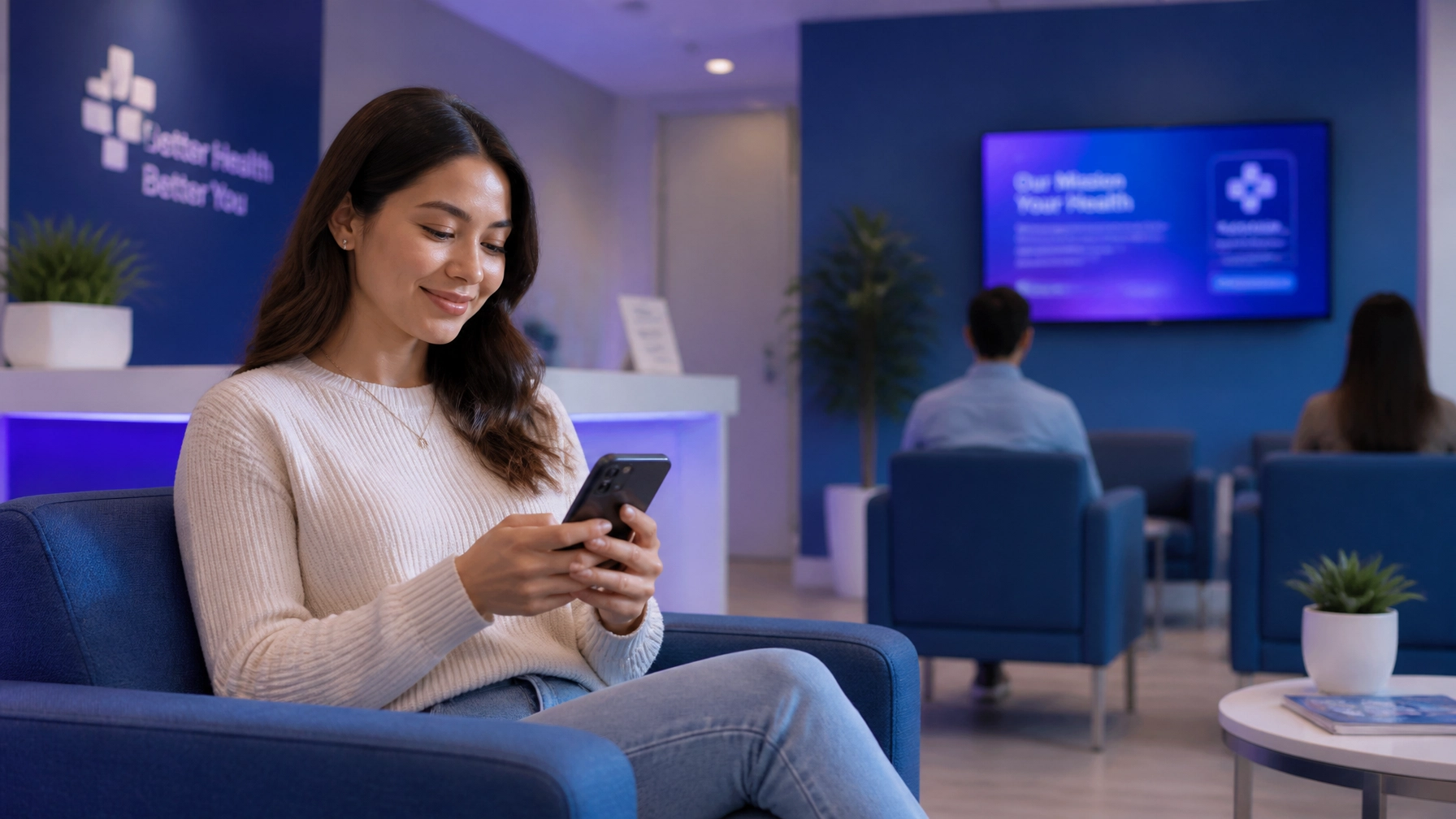
Walk into any medical waiting room, and you’ll see the same thing: a dozen people staring at their phones.
They aren't looking at the TV in the corner. They aren't reading a germ-covered magazine from 2019. They are in their own digital worlds.
But here is the problem. When a healthcare provider tries to enter that world by demanding an app download, they don’t create engagement. They create a wall.
In the world of patient experience, friction is the silent killer of satisfaction.
Imagine a patient arrives for an appointment. They are likely anxious, tired, or in pain.
They see a sign suggesting they "Download our app for a better experience."
To that patient, "better experience" sounds like a 50MB download, a struggle to remember an App Store password, a verification email, and a five-minute setup process.
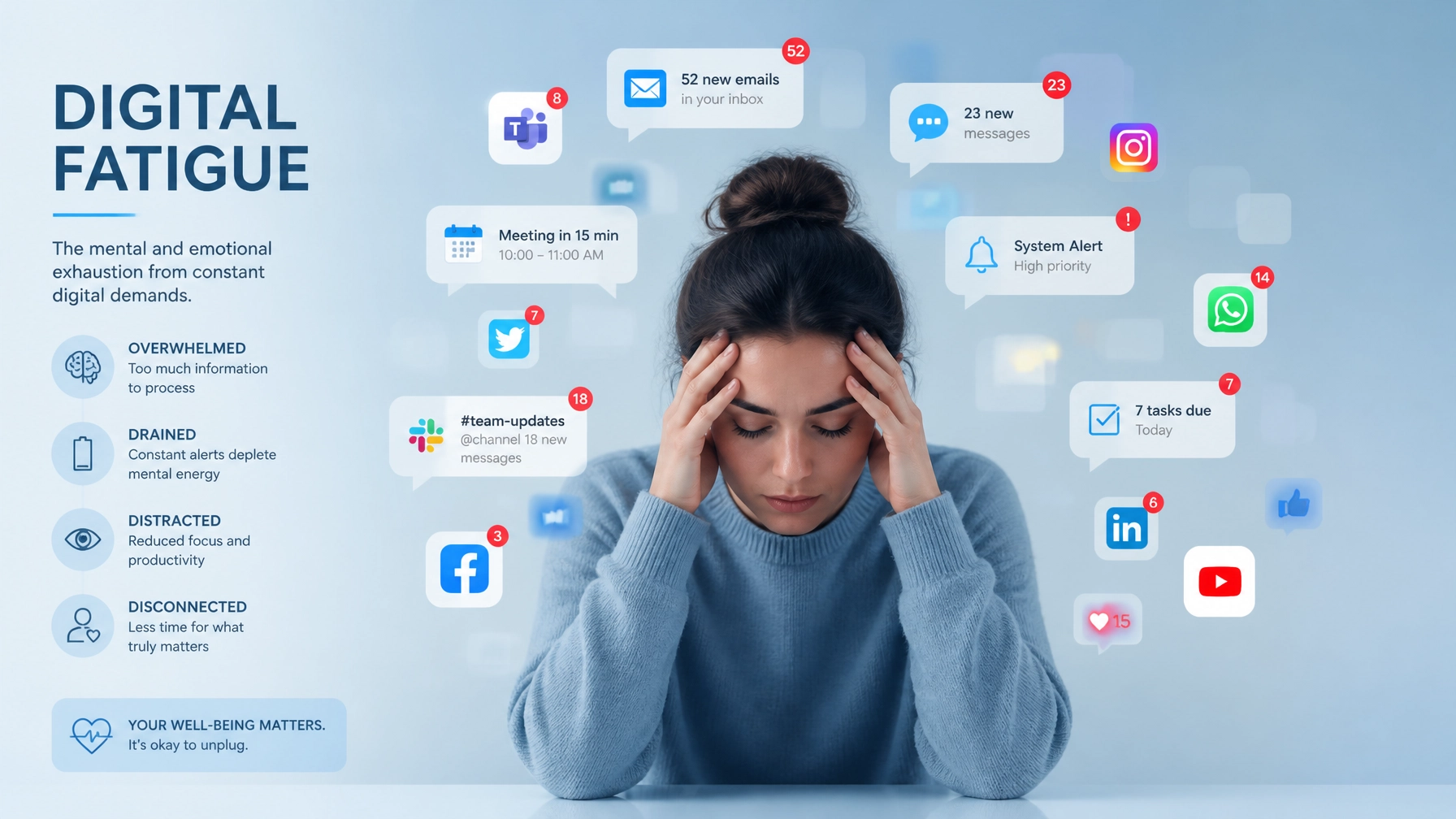
According to research on digital fatigue in healthcare, roughly 70% of patients are already tuning out digital messages because they receive too many across too many channels.
Adding another app to the pile isn't a benefit. It's a chore.
"We have to stop asking patients to do work while they wait," says Scott T. Janney, CEO of CXperks. "If the entry fee for engagement is an app download, most people will simply choose to stay bored and frustrated."
For years, the healthcare industry has leaned heavily on patient portals.
Portals are great for viewing lab results or paying a bill from a desktop at home. They are terrible for immediate, high-dwell engagement in a waiting room.
The traditional approach fails because it treats the waiting room as a secondary thought. It assumes the patient is willing to provide Personal Identifiable Information (PII) just to access a digital magazine or a survey.
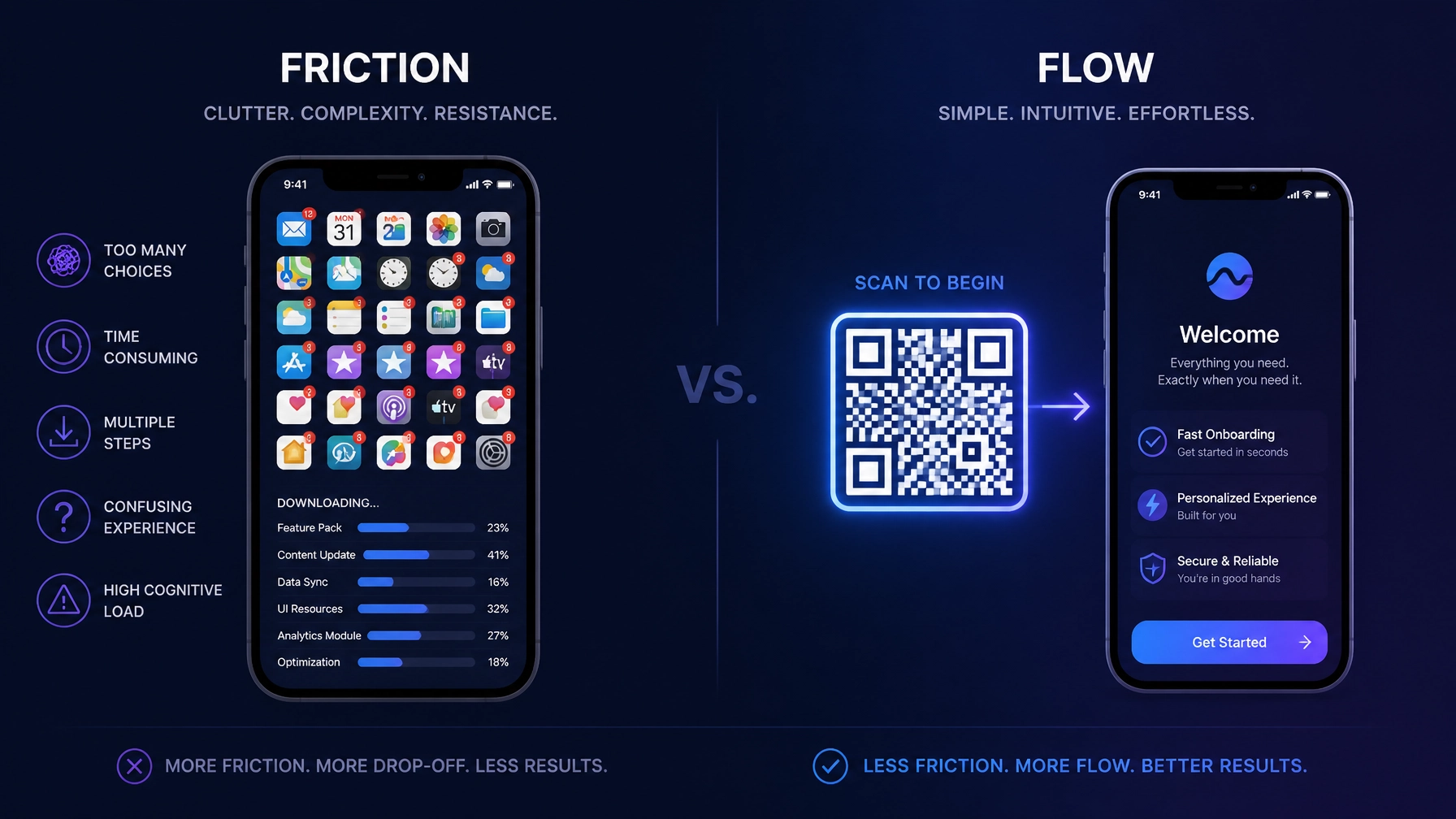
But data privacy is a growing concern. In 2026, only 15% of patients report feeling "very confident" in the privacy of telehealth and healthcare platforms.
When you ask for a login or an email address just to kill ten minutes of wait time, the patient’s internal "risk vs. reward" calculator hits zero.
The friction of providing PII kills the interaction before it even starts.
The waiting room TV is a relic of a pre-smartphone era. It’s passive background noise that most patients actively ignore.
Modern waiting room behavior is defined by the "second screen" experience. Patients want to control what they consume.
They want to scroll, play, and interact. However, they want to do it on their own terms, without a digital "tether" that tracks them after they leave the office.
This is where the concept of "frictionless engagement" becomes a competitive advantage.
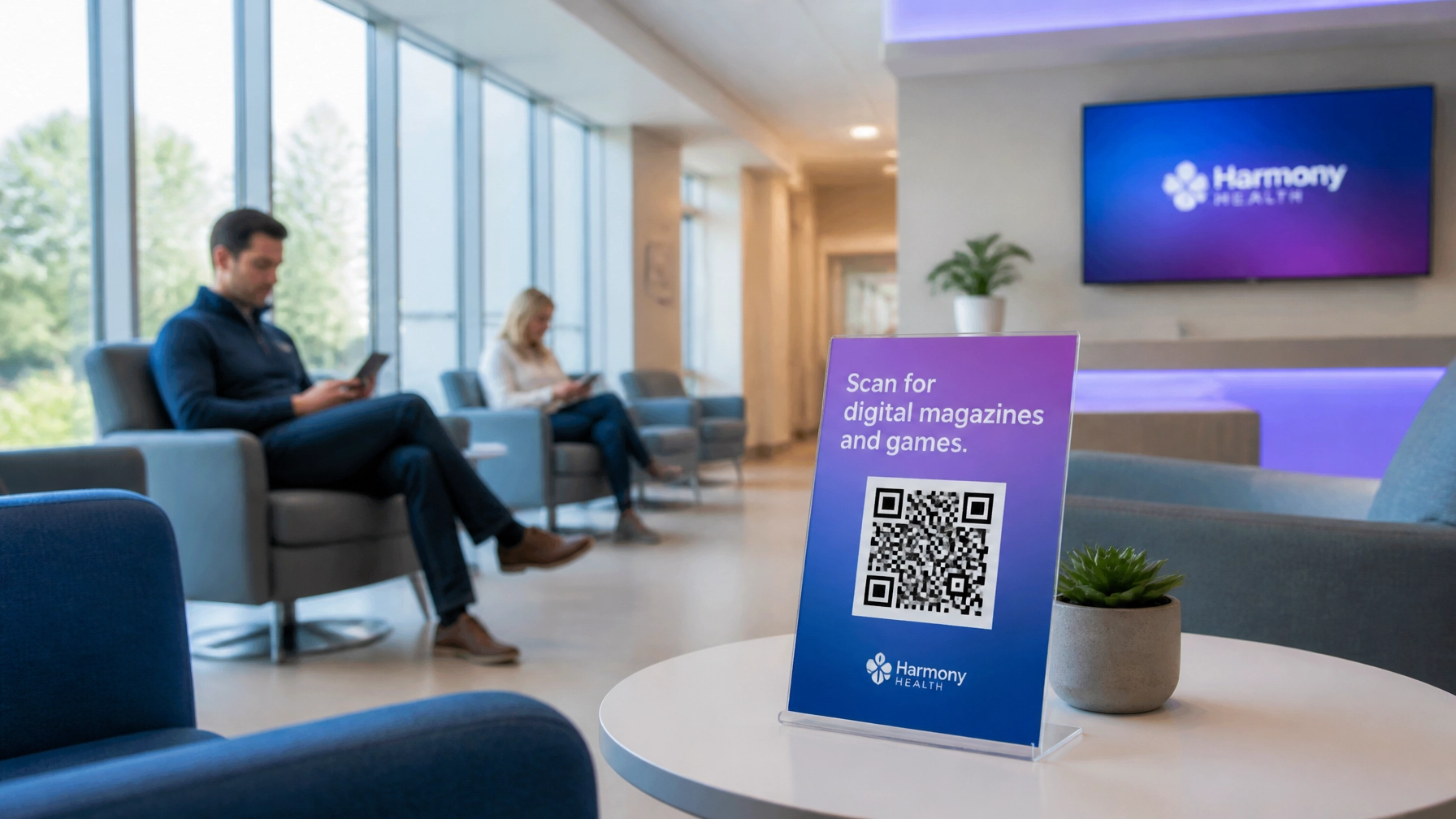
The QR code is the bridge between the physical waiting room and the digital world.
It requires zero downloads. It requires no accounts. It is the ultimate "no-app" solution.
When a patient scans a QR code and is instantly dropped into a Digital Content Hub, the perception of time changes.
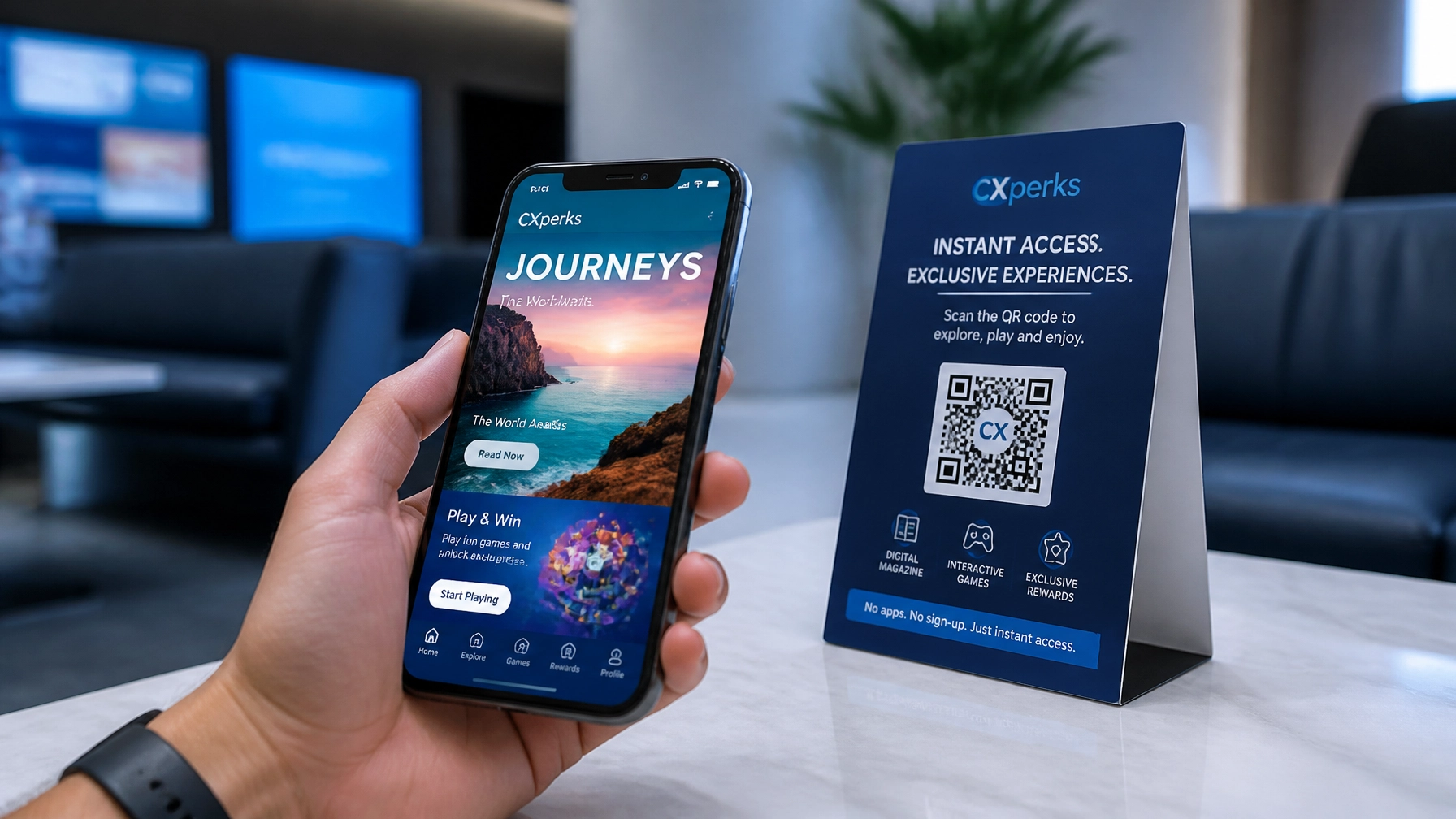
Engagement isn't just about entertainment; it’s about control. By providing a frictionless path to games, trivia, and curated content, providers give the patient something they lost the moment they checked in: their time.
Traditional waiting room improvements (like new chairs or a coffee station) are difficult to measure.
How do you know if the coffee improved the patient's perception of their 20-minute wait? You don't.
Frictionless digital engagement, however, provides hard data.
By removing the app barrier, engagement rates skyrocket. When engagement goes up, perceived wait time goes down.
And when perceived wait time goes down, HCAHPS and HWS scores follow.
At CXperks, we built our platform on a single mantra: Unmanaged waiting creates frustration. Engagement changes perception.
We realized that for a solution to work in a high-dwell environment like a medical office or an airport terminal, it had to be frictionless.
Our platform is "plug-and-play." It doesn't require hardware. It doesn't require your IT team to build a new portal. Most importantly, it doesn't require your patients to download a single thing.
We focus on the "Privacy-First" experience. No sensitive PII is collected. Patients engage instantly, get the value they want, and leave with a better impression of your brand.
The era of forcing patients into your ecosystem through app downloads is ending.
Patients are overwhelmed, their phones are full, and their patience for digital hurdles is thin.
If you want to improve the patient experience, look at the hurdles you’ve placed in their way.
Are you asking them to do more work, or are you providing an escape?
The most successful healthcare providers in 2026 won't be the ones with the most features in their app. They will be the ones who make it the easiest to engage.
Want to see how frictionless engagement can transform your waiting area?
Book a discovery call with Scott T. Janney here to learn how CXperks can help you reduce perceived wait times and boost your online reputation.