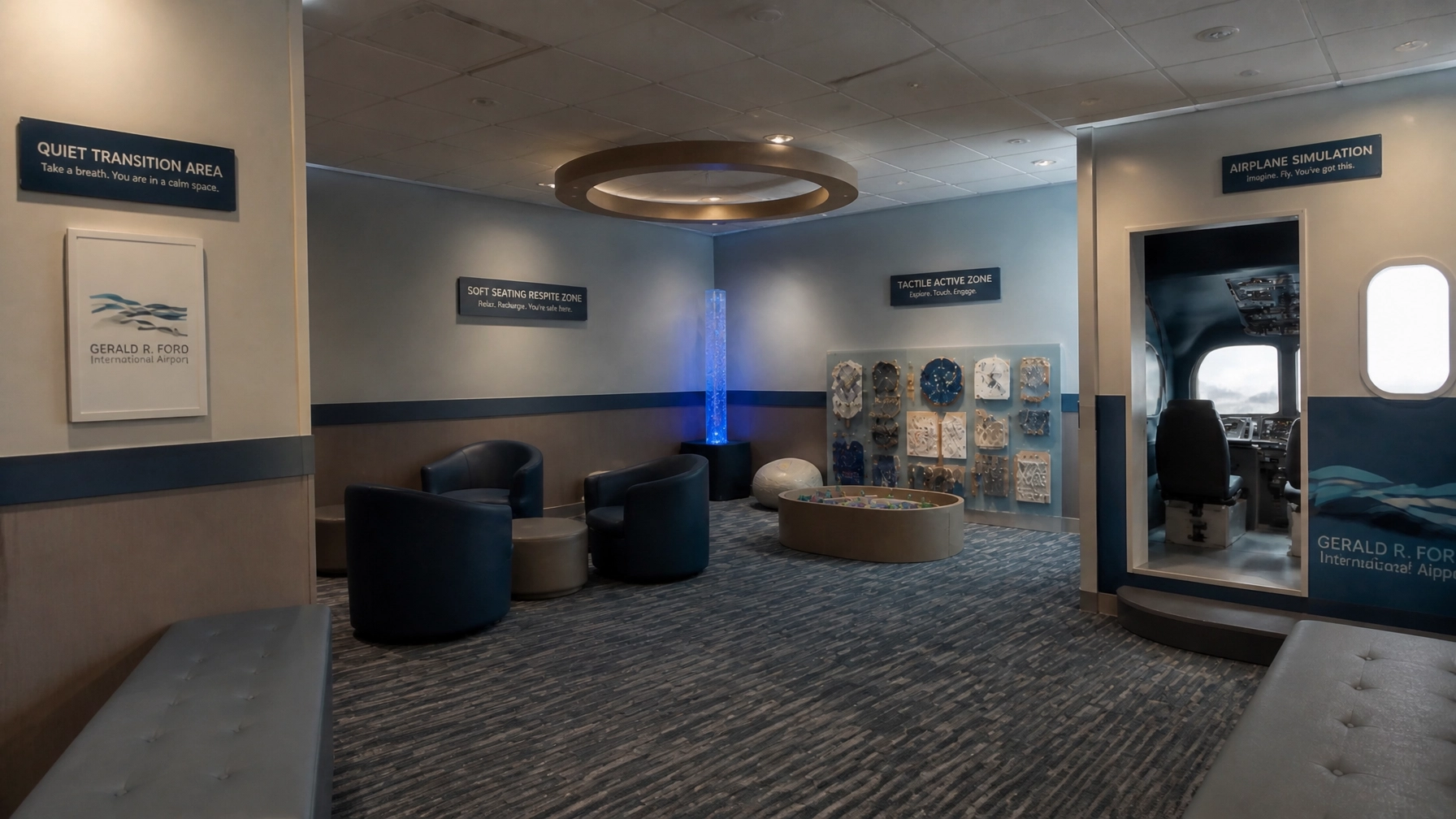
Why GRR's Sensory Room Proves Digital Engagement Belongs in Every Waiting Area
June 22, 2026
Learn More



In the modern digital age, the patient experience begins long before a doctor enters the examination room. From the moment a patient walks through your doors, they are forming an impression of your practice based on the efficiency, cleanliness, and technological maturity of your environment. For medical office managers, the goal is simple but challenging: create a high-quality medical waiting room experience that reduces perceived wait times and keeps patients satisfied.
For years, the gold standard for modernizing the front office was the implementation of tablets or kiosks. These sleek handheld devices were intended to replace paper clipboards and provide a portal for patient check-ins and waiting room entertainment. However, as technology evolves, many practices are discovering that hardware comes with its own set of logistical nightmares.
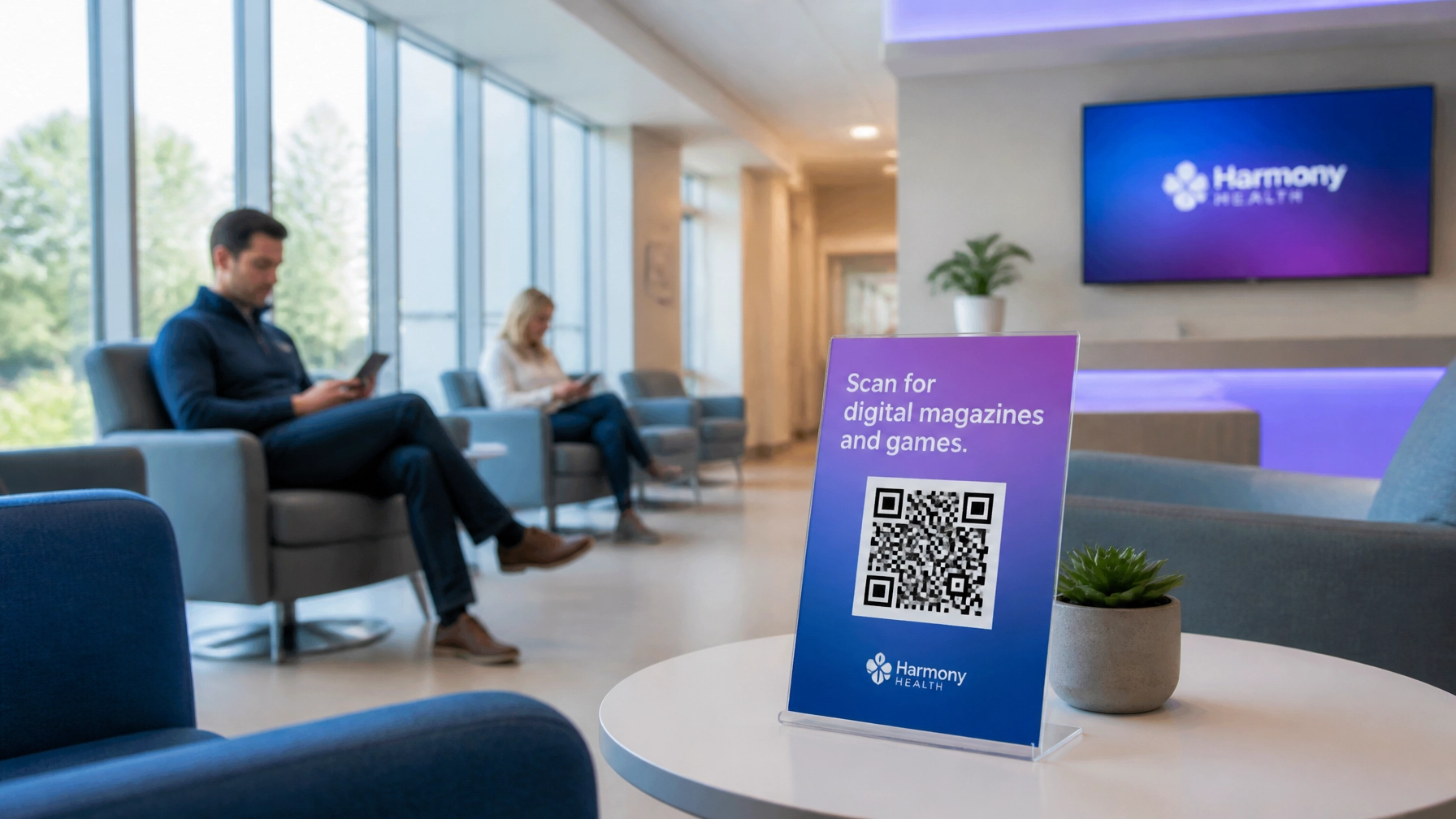
Enter the QR code. Once a niche tool, the QR code has seen a massive resurgence, transforming how businesses interact with customers. At CXperks, we believe that for the medical industry, the choice between tablets and QR codes isn’t just about tech: it’s about removing friction.
Here is why QR codes are the clear winner for your practice and how they compare across the most critical categories of patient care.
When you choose tablets for your waiting room, you are immediately committing to a significant capital investment. You aren't just buying the devices; you are buying the protective cases, the charging stations, and the specialized software licenses to lock them down.
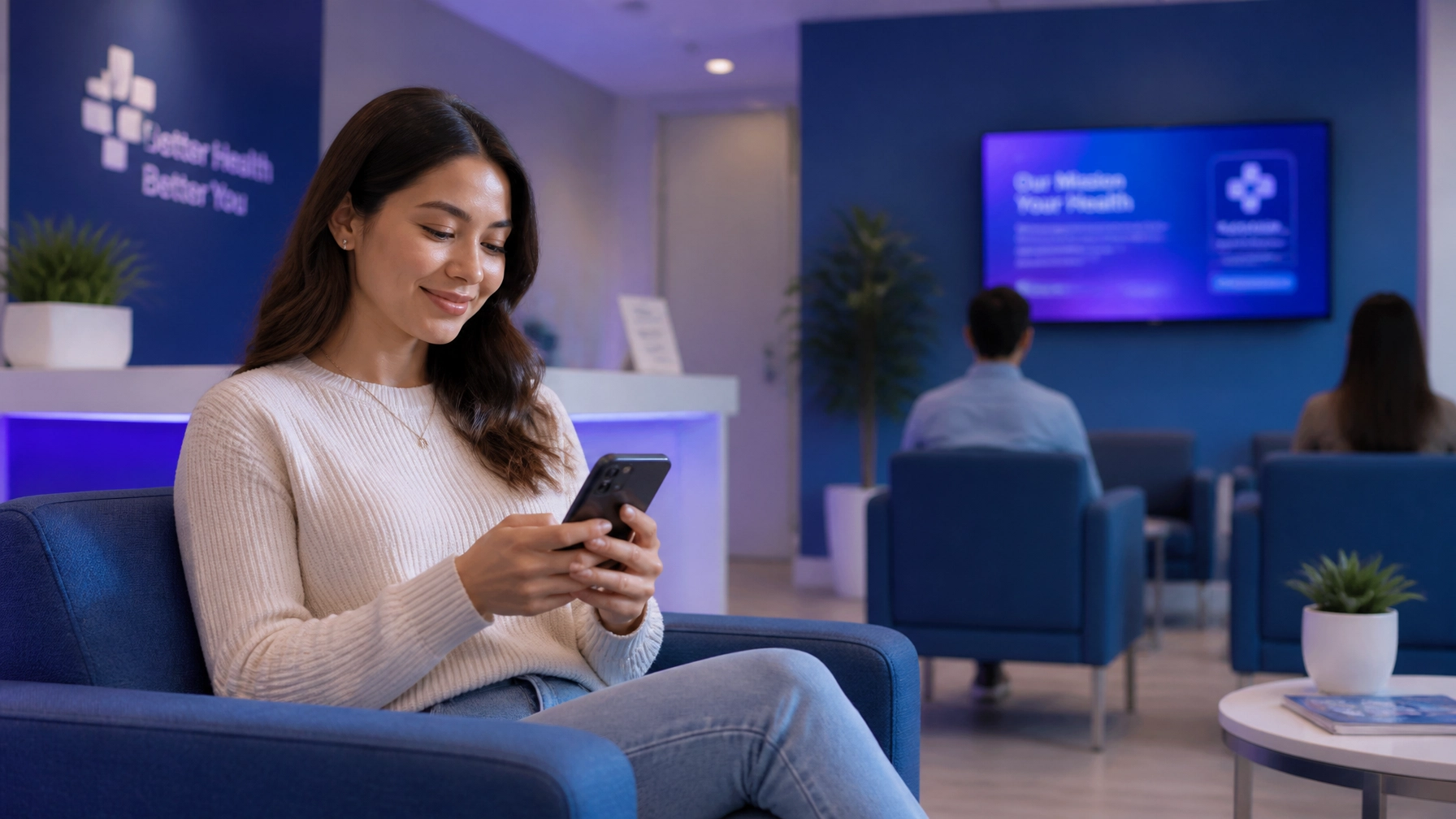
Conversely, QR codes are virtually free to deploy. By leveraging the smartphone that is already in your patient’s pocket, you eliminate the need for expensive hardware.
The "Bring Your Own Device" (BYOD) model is a game-changer for medical offices.
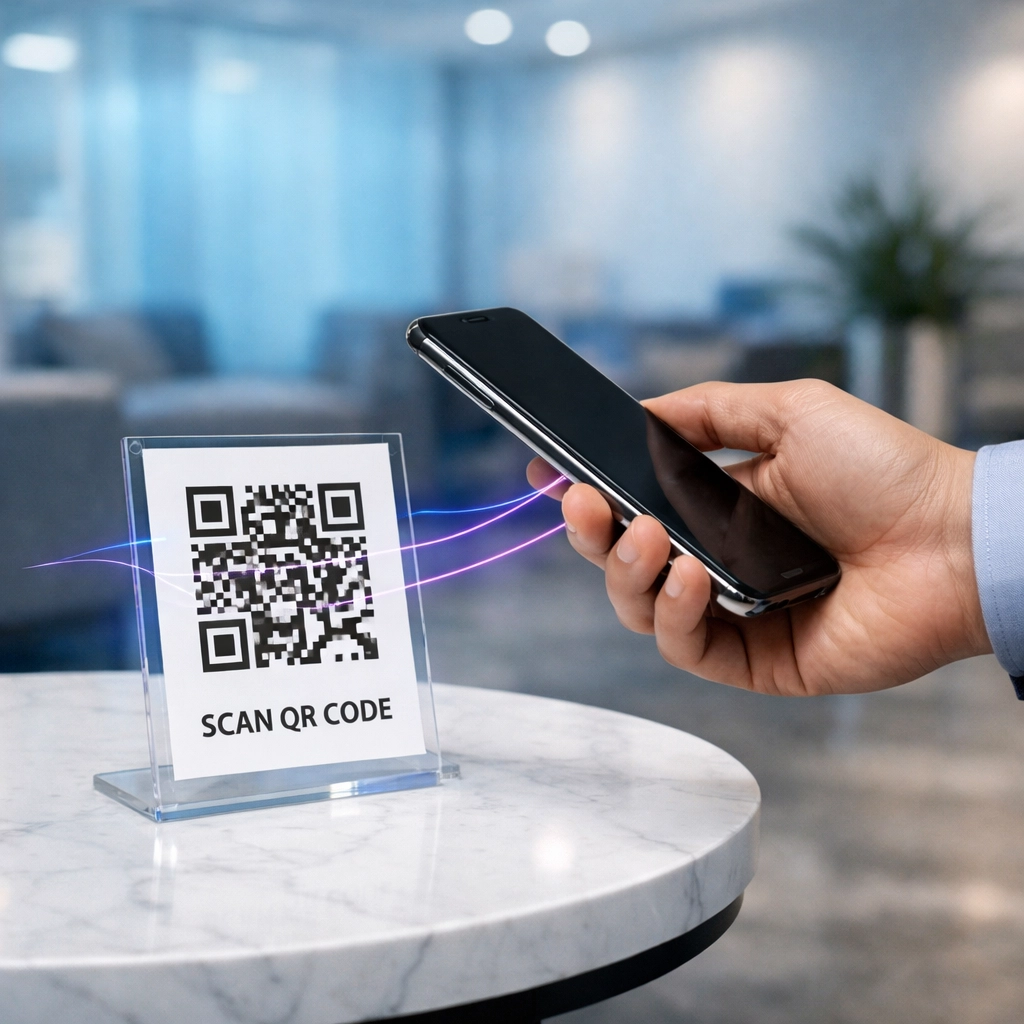
In a medical setting, cleanliness isn't just a preference: it’s a clinical necessity. Tablets are high-touch surfaces. Every time a patient handles a tablet, it must be thoroughly sanitized before the next person uses it. This creates a massive operational burden for your front-desk staff.
While your team is busy wiping down screens and buttons, they are diverted from more important tasks, like answering phones or greeting new arrivals. QR codes offer a completely "touchless" experience.
For more information on how we prioritize these interactions, visit our healthcare solutions page.
If you have ever managed a fleet of tablets, you know the "Morning Scramble." It’s that moment when your staff realizes half the tablets didn't charge overnight, three need a mandatory OS update, and one has a cracked screen.
Tablets require constant babysitting. They need to be plugged in, updated, and occasionally rebooted. This "hidden" labor cost is often overlooked when medical offices buy into tablet systems.
QR codes never run out of battery. They don't need a firmware update at 8:00 AM on a Monday. Once you print and display your QR code, it works 24/7. This allows your interactive waiting room to function autonomously.
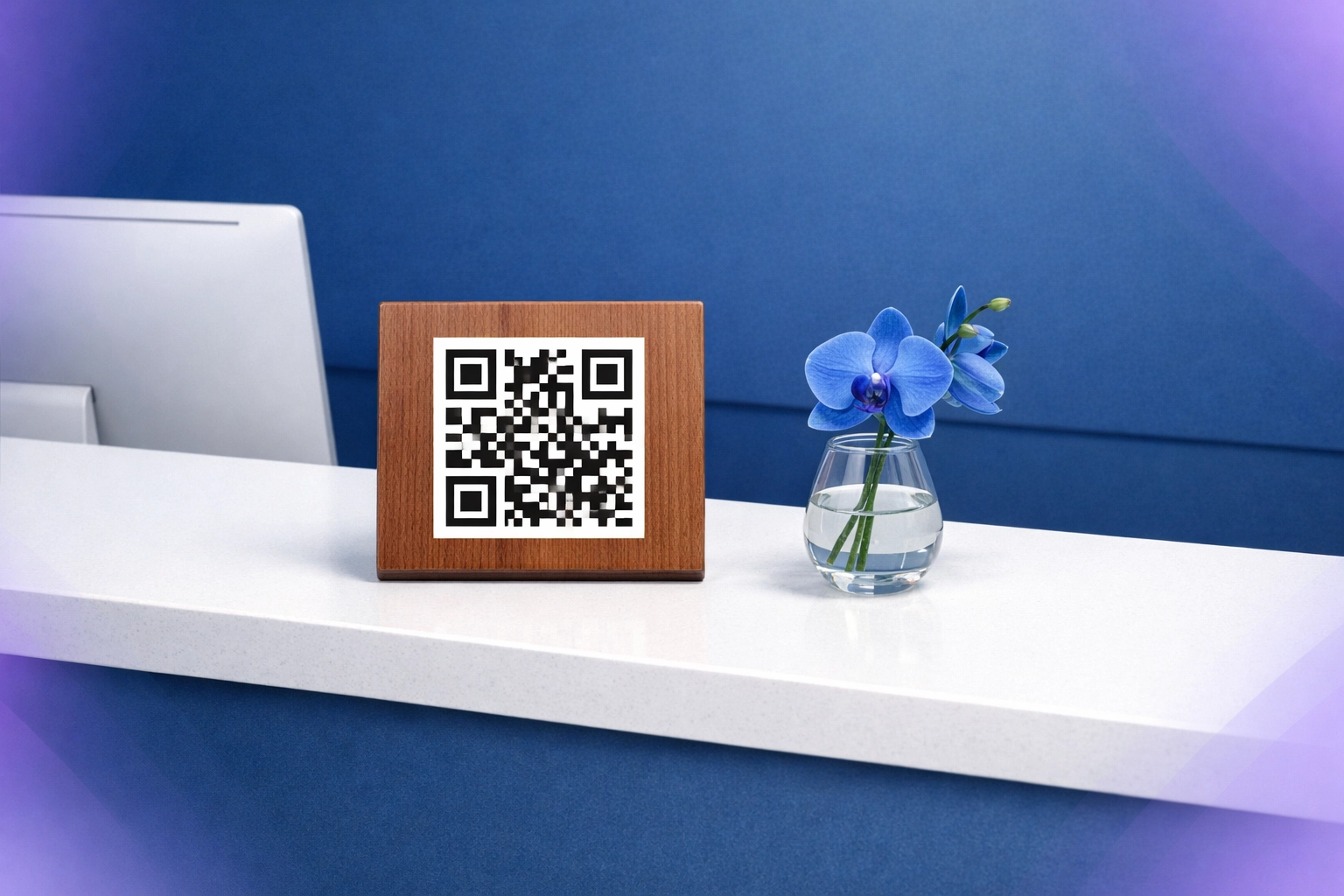
The true value of a customer engagement platform is its ability to turn passive waiting time into an active, positive experience. Tablets often feel like a chore: patients use them because they have to for check-in.
QR codes, however, feel like an invitation. Because the content lives on the patient's own phone, they are more likely to explore what else you have to offer. At CXperks, we specialize in creating these interactive waiting room environments where patients can access premium content, health tips, or even practice-specific updates while they wait.
By using your own waiting room entertainment strategy, you’re not just killing time; you’re building a relationship.
One of the most significant advantages found in recent research is the time-saving potential of QR-based systems. Some practices have reported saving 15-20 minutes per patient by moving check-ins and form-filling to the patient's mobile device.
When you use tablets, you are limited by the number of devices you own. If you have five tablets and six patients arrive at once, a bottleneck is guaranteed. With QR codes, there is no limit. Everyone can begin their digital journey the moment they sit down.

While the benefits are overwhelming, it is important to address the "what about..." questions. What about patients who don't have smartphones? What about older populations who might struggle with the tech?
The best approach is a hybrid model where the QR code handles 90% of the traffic. For the small percentage of patients who cannot or will not use their own device, your staff can provide a paper form or keep a single, sanitized tablet behind the desk for assisted use. This ensures total accessibility while still reaping the efficiency rewards of the QR-first strategy.
As we look toward the future, the physical waiting room may eventually shrink or disappear entirely as digital "waiting rooms" take over. In this landscape, being hardware-dependent is a liability. You want a system that is flexible, cloud-based, and mobile-first.
Choosing a platform like CXperks allows you to stay ahead of these trends. Whether it's through our entertainment beta or our standard healthcare integrations, we focus on making the transition to digital as seamless as possible for both your staff and your patients.
The debate between QR codes and tablets isn't just about the technology: it's about respect. Respect for your patient's time, their health, and their preference for using their own familiar devices. It’s also about respect for your staff’s workload, removing the need for them to act as tech support and janitors for a fleet of tablets.
If you are ready to ditch the hardware headaches and see how a digital-first engagement platform can revolutionize your practice, we’re here to help.
Start today and watch your patient satisfaction scores soar.
To see how CXperks can specifically benefit your medical office or to get a custom walkthrough of our platform, let’s chat.
Book a time with our CEO, Scott T. Janney, to discuss your practice's goals:
Schedule a meeting with Scott
Want to learn more about how we help other industries? Check out our sections on salons, auto shops, and hospitality to see the versatility of the CXperks platform.