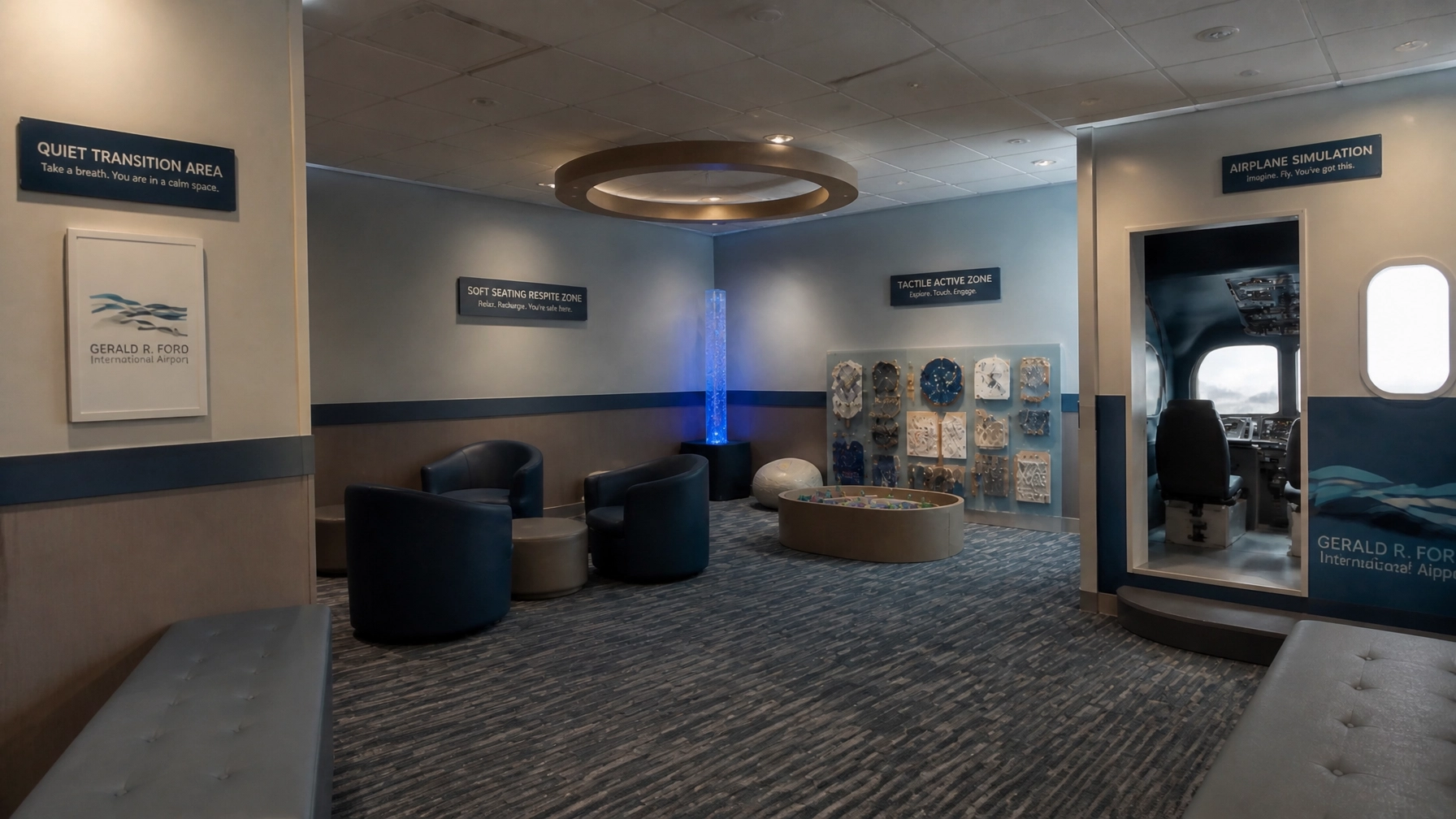
Why GRR's Sensory Room Proves Digital Engagement Belongs in Every Waiting Area
June 22, 2026
Learn More




In the modern business landscape, the customer experience is no longer just about the transaction; it is about every single micro-moment from the second a person walks through your door to the moment they leave. However, while we have modernized our payment systems, our booking software, and our marketing funnels, there is one corner of the physical business world that remains stubbornly, and dangerously, stuck in the past. We are talking about the "waiting room library."
For decades, a stack of glossy magazines on a coffee table was the gold standard for hospitality. Whether you were at the dentist, the local auto shop, or a high-end salon, those dog-eared copies of People or National Geographic were the go-to boredom killers. But times have changed. In a post-pandemic world where hygiene awareness is at an all-time high, your "complimentary" magazines have become a liability. They aren't just outdated; they are, quite literally, petri dishes grossing out your customers and silently killing your brand loyalty.
As Scott T. Janney, CEO of CXperks, often points out, the physical world needs to catch up to the digital expectations of the modern consumer. If you are still asking your customers to flip through a magazine that has been handled by fifty other people this week, you are sending a clear message: "We don't value your health or your modern preferences."
The hard truth is that physical magazines are impossible to sanitize. Unlike a plastic chair or a glass countertop, paper is porous. It traps moisture, oils, and, inevitably, pathogens. When a customer sits in your lobby and flips through a three-month-old issue of a travel magazine, they are touching every sneeze, cough, and unwashed hand that came before them.
Studies have shown that viruses and bacteria can live on paper surfaces for hours, if not days. In high-traffic environments like healthcare facilities, this isn't just "gross", it is a legitimate public health concern. Since the events of 2020, the average consumer’s "ick factor" has skyrocketed. They are looking at your shared surfaces with a critical eye, and a stack of tattered magazines is a major red flag.
The Reality of Shared Surfaces:
By clinging to physical media, you are maintaining a high-touch environment in a world that is desperate for touchless solutions. Transitioning to a digital hub isn't just a tech upgrade; it is a commitment to the safety and comfort of your clientele.
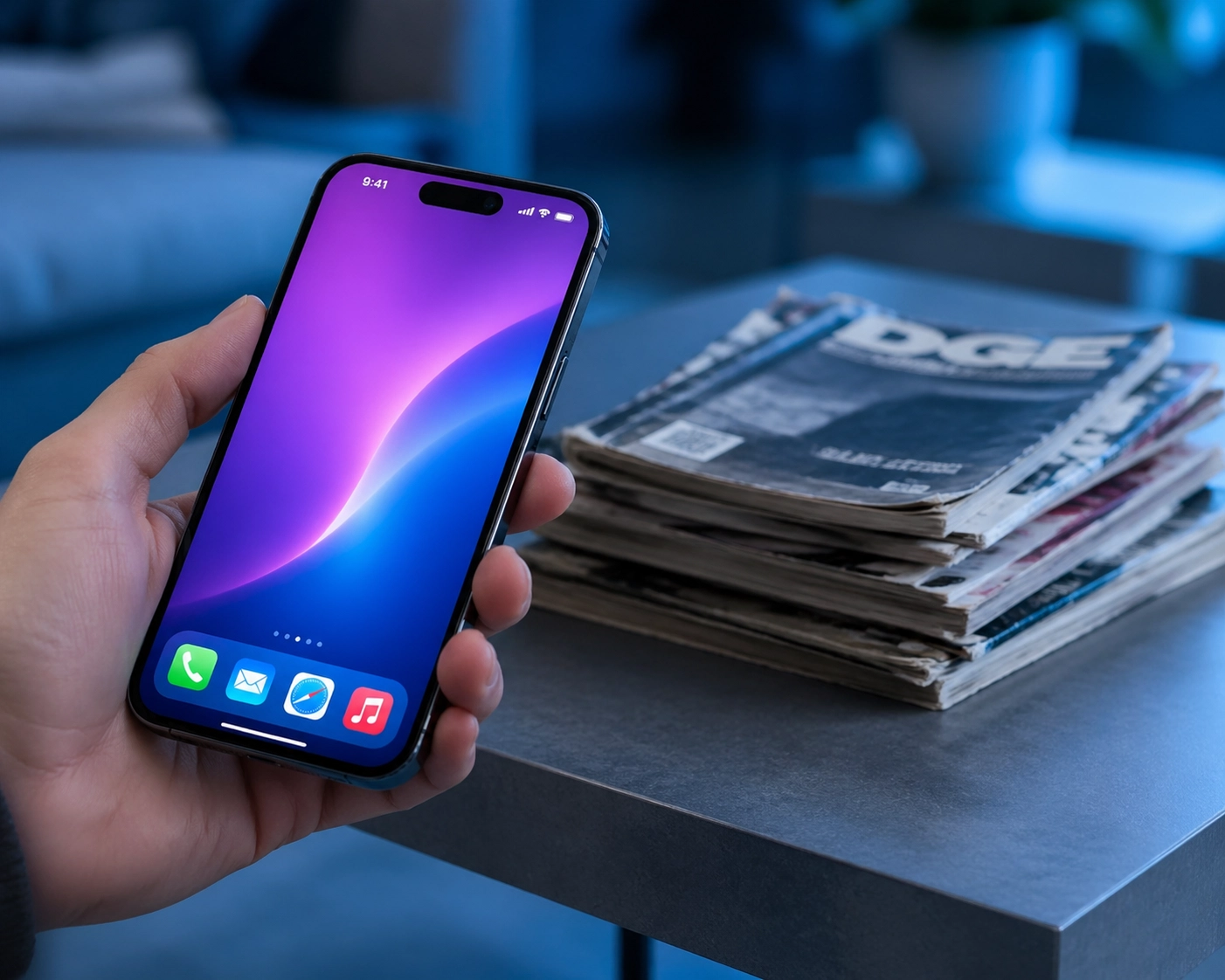
Many businesses recognize that physical magazines are a problem and attempt to solve it by building their own custom mobile app. While the intention is good, the execution is often a failure. We call this the "App Store Graveyard."
Think about it from your customer's perspective: They are in your auto shop or salon for a 20-minute wait. Are they really going to go to the App Store, enter their password, download a 100MB file, and create an account just to read some content? The answer is a resounding "No."
Custom apps create friction. Friction is the enemy of a positive customer experience. When you force a customer to jump through hoops to be entertained, they will simply default to scrolling through social media, which does nothing to help your brand or your bottom line.
Why Custom Apps Fail in the Lobby:
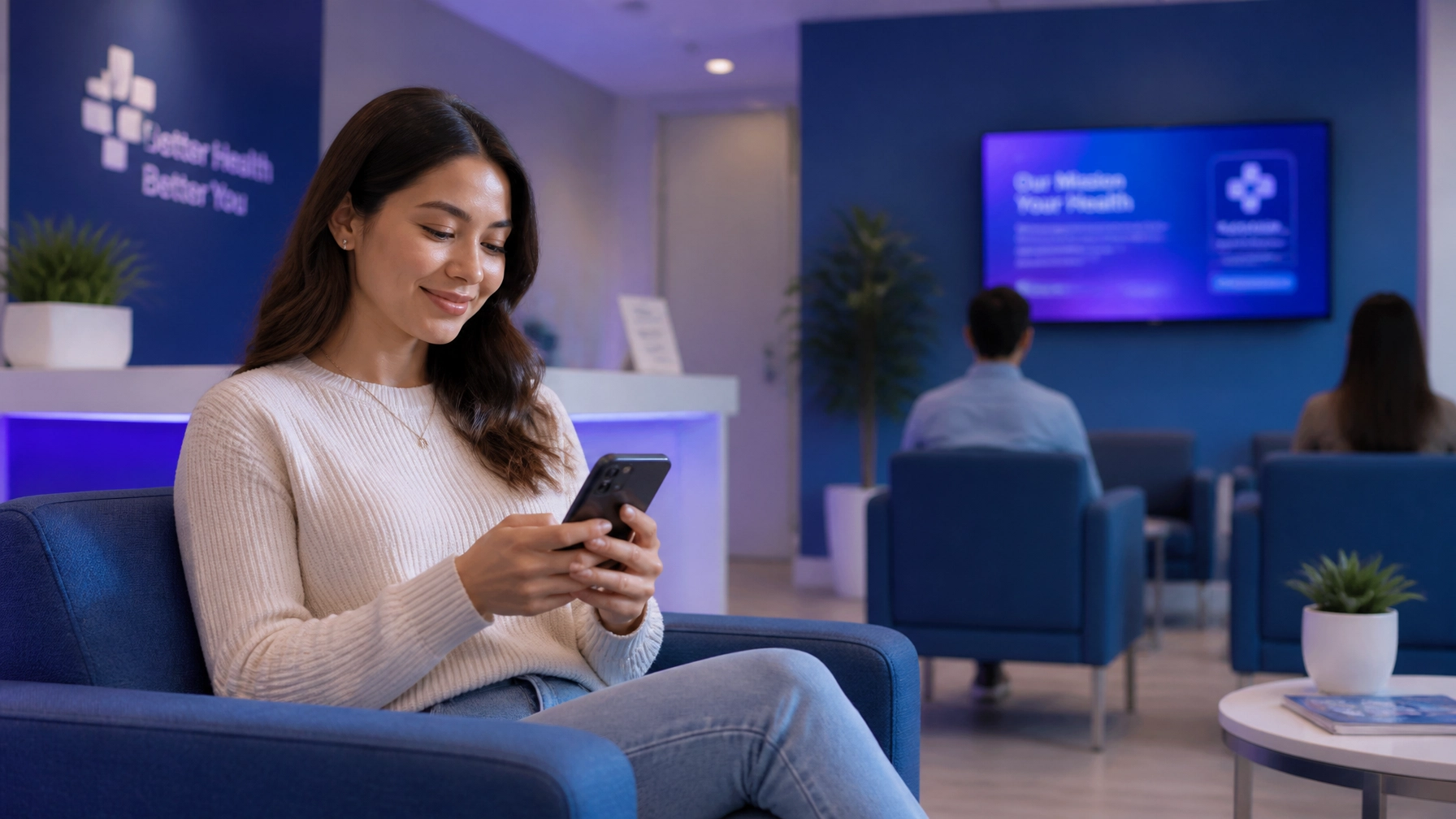
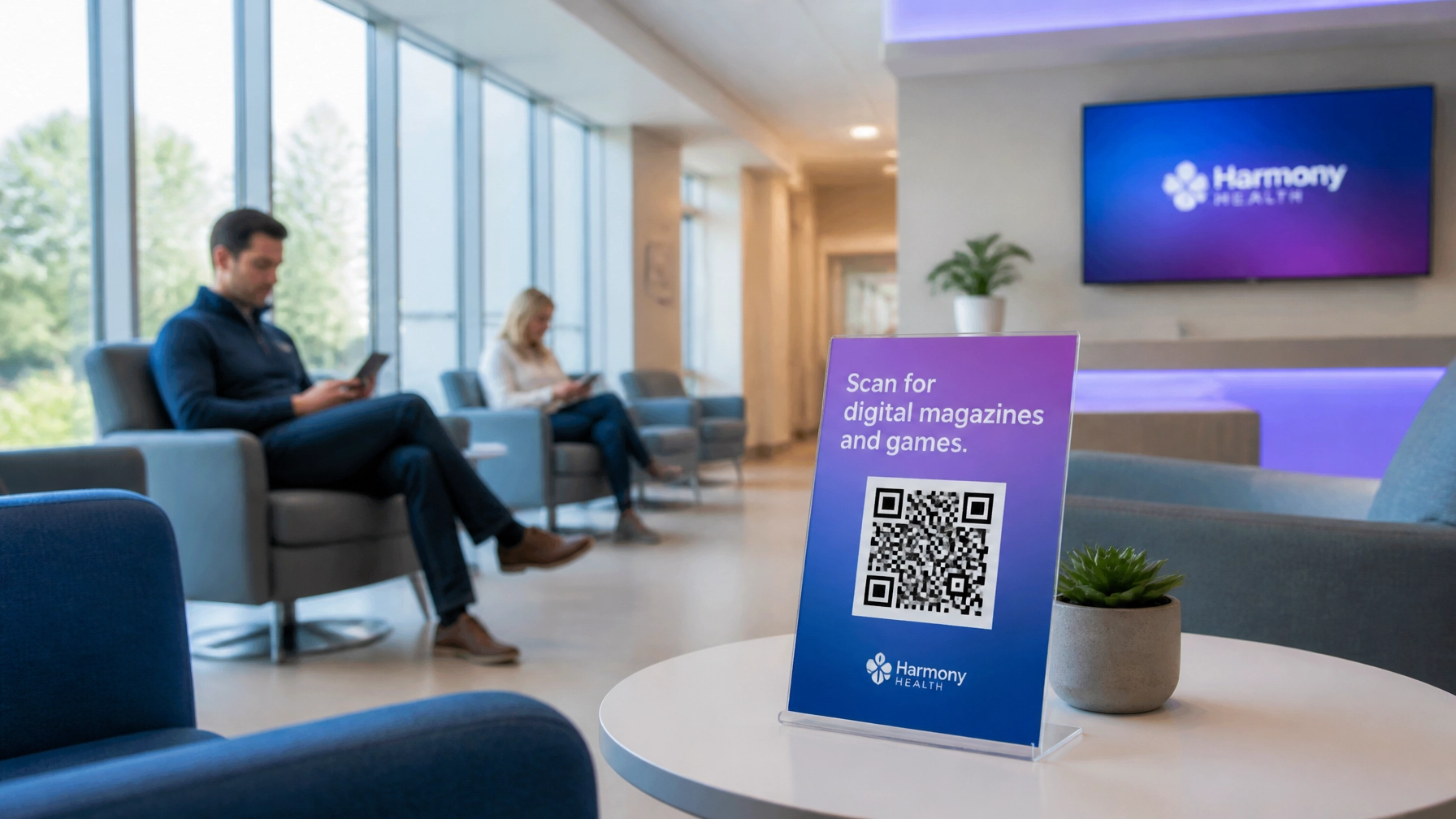
The solution is a web-based, frictionless digital hub. By using a simple QR code, customers can access premium content, games, and local offers instantly on their own devices without ever touching a germ-ridden magazine or downloading a single file.
Boredom makes time stretch. A five-minute wait can feel like twenty when there is nothing to do but stare at the wall or flip through a magazine from 2021. This "perceived wait time" is a silent killer of customer satisfaction. When customers are bored, they become anxious and more likely to find faults with your service.
Interactive digital hubs, like those provided by CXperks / Primary, flip this dynamic. By providing engaging, high-quality content: think trivia, real-time news, and interactive games: you turn "dead time" into "value time." When a customer is engaged, their brain releases dopamine, which actually makes the wait feel shorter.
How to Reduce Perceived Wait Time:
Ready to transform your lobby experience and move away from the petri dish model? You can request a demo to see how a digital hub can work for your specific business.
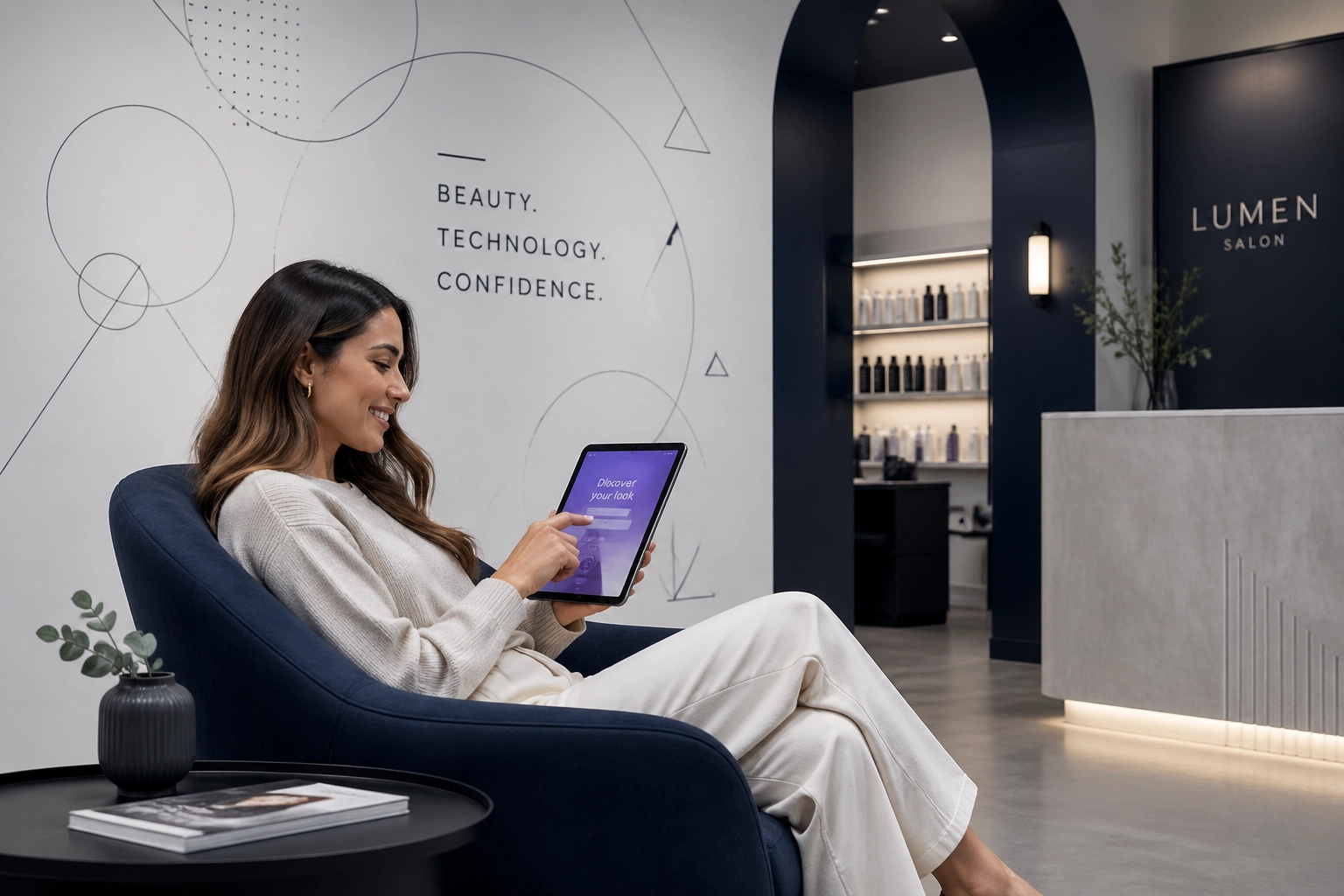
One of the biggest missed opportunities in a traditional waiting room is the lack of a feedback loop. While your customer is sitting there with "idle thumbs," they are in the perfect position to help your business grow. Physical magazines provide a distraction, but they don't provide an ROI.
A digital entertainment hub does both. While your customers are enjoying clean, touchless entertainment on their own devices, you can strategically place "Review Accelerators." A simple prompt asking "How are we doing today?" can lead directly to a Google Review or a private internal survey.
The Power of the Digital Feedback Loop:
This isn't just about entertainment; it's about business intelligence. By replacing your magazines with a SaaS solution, you turn a cost center (buying magazines) into a profit center (generating reviews and leads).
A common concern we hear is: "What about my older customers who aren't tech-savvy?" It is a valid question, but the data tells a different story. Since the pandemic, QR code adoption has hit a massive scale across all age demographics. From restaurant menus to doctor's office check-ins, everyone has learned how to use their smartphone as a tool for safety and convenience.
Furthermore, the "cleanliness" factor is a universal concern. Even customers who aren't "digital natives" appreciate the effort to maintain a hygienic environment. For those few who truly don't have a device, a centralized, high-definition screen running the same CXperks entertainment feed provides a visual anchor that is far safer than a shared magazine.
Best Practices for the Transition:
The future of the waiting room is touchless, interactive, and data-driven. By ditching the petri dishes and embracing a digital-first approach, you aren't just cleaning up your lobby: you're leveling up your entire brand.
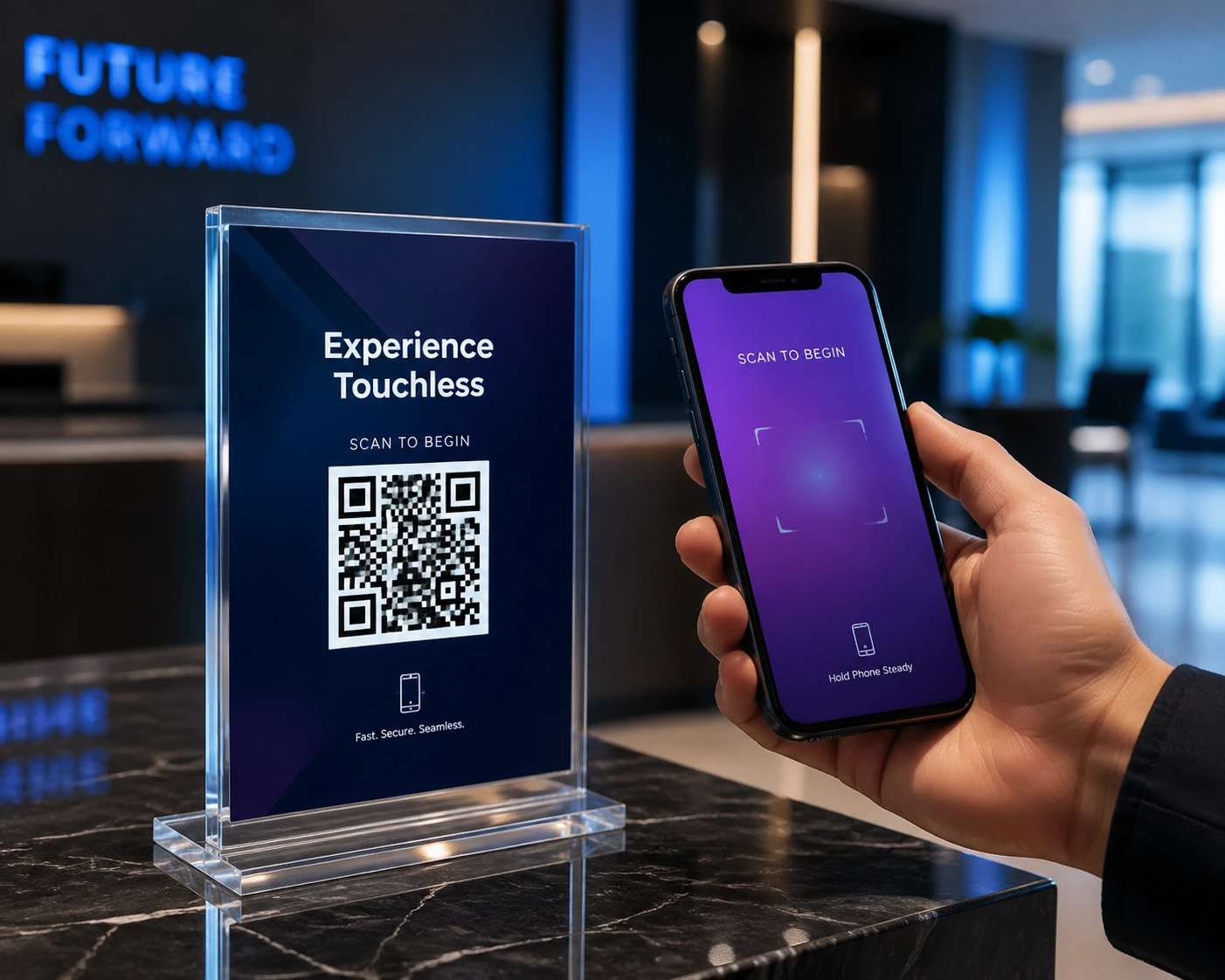
The choice is simple: You can continue to offer a germ-ridden, 20th-century waiting experience, or you can lead your industry with a modern, hygienic, and engaging digital hub. Your customers are already looking at their phones; why not meet them there with something that adds value to their day and your business?
As Scott T. Janney says, "The best customer experience is the one that removes friction and adds delight simultaneously." Stop letting your waiting room be a source of "ick" and start making it a source of growth.
If you’re ready to see how CXperks can modernize your space and drive better results, let’s talk.
Ready to transform your customer experience? Book a strategy session with Scott T. Janney here