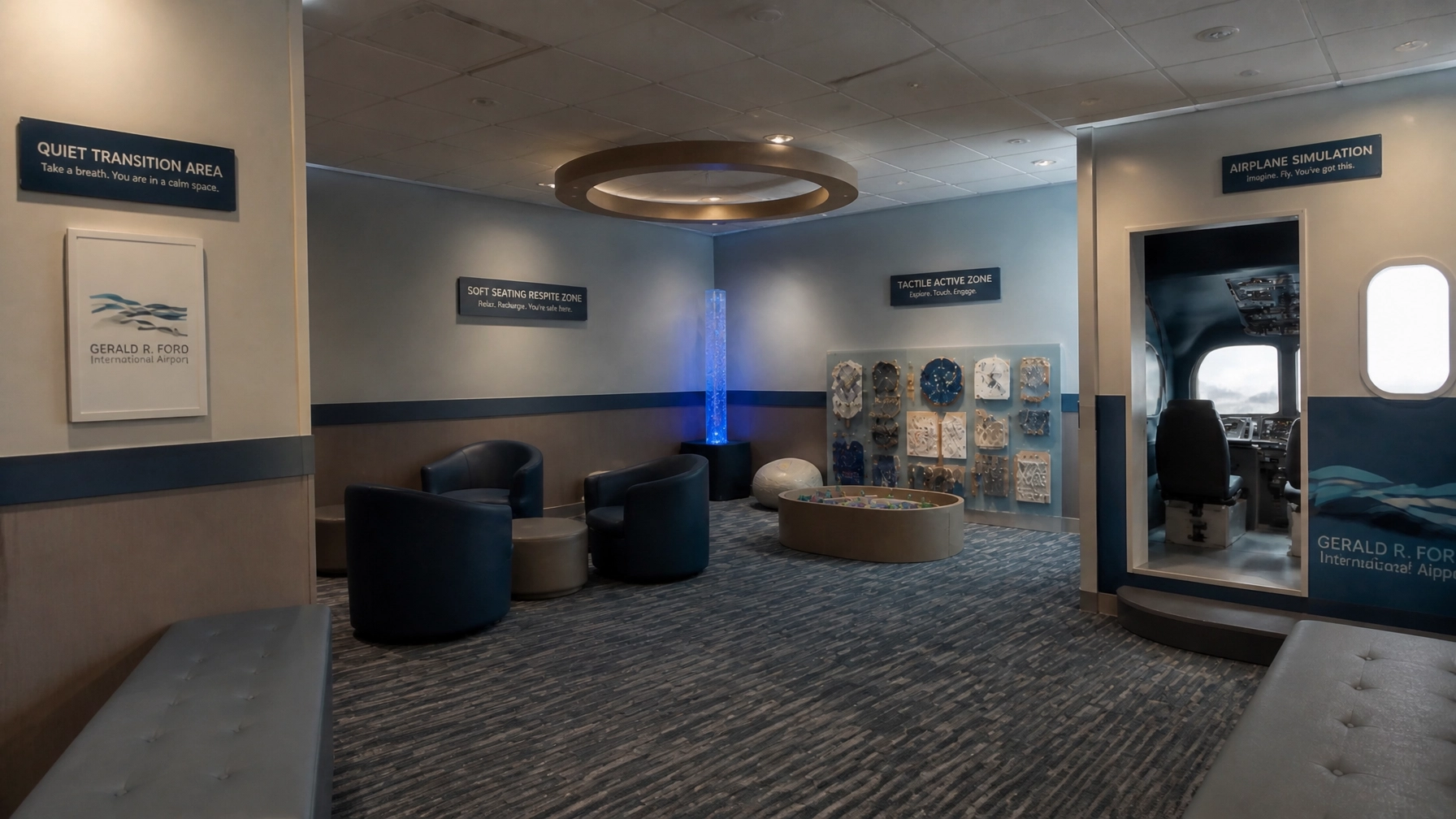
Why GRR's Sensory Room Proves Digital Engagement Belongs in Every Waiting Area
June 22, 2026
Learn More



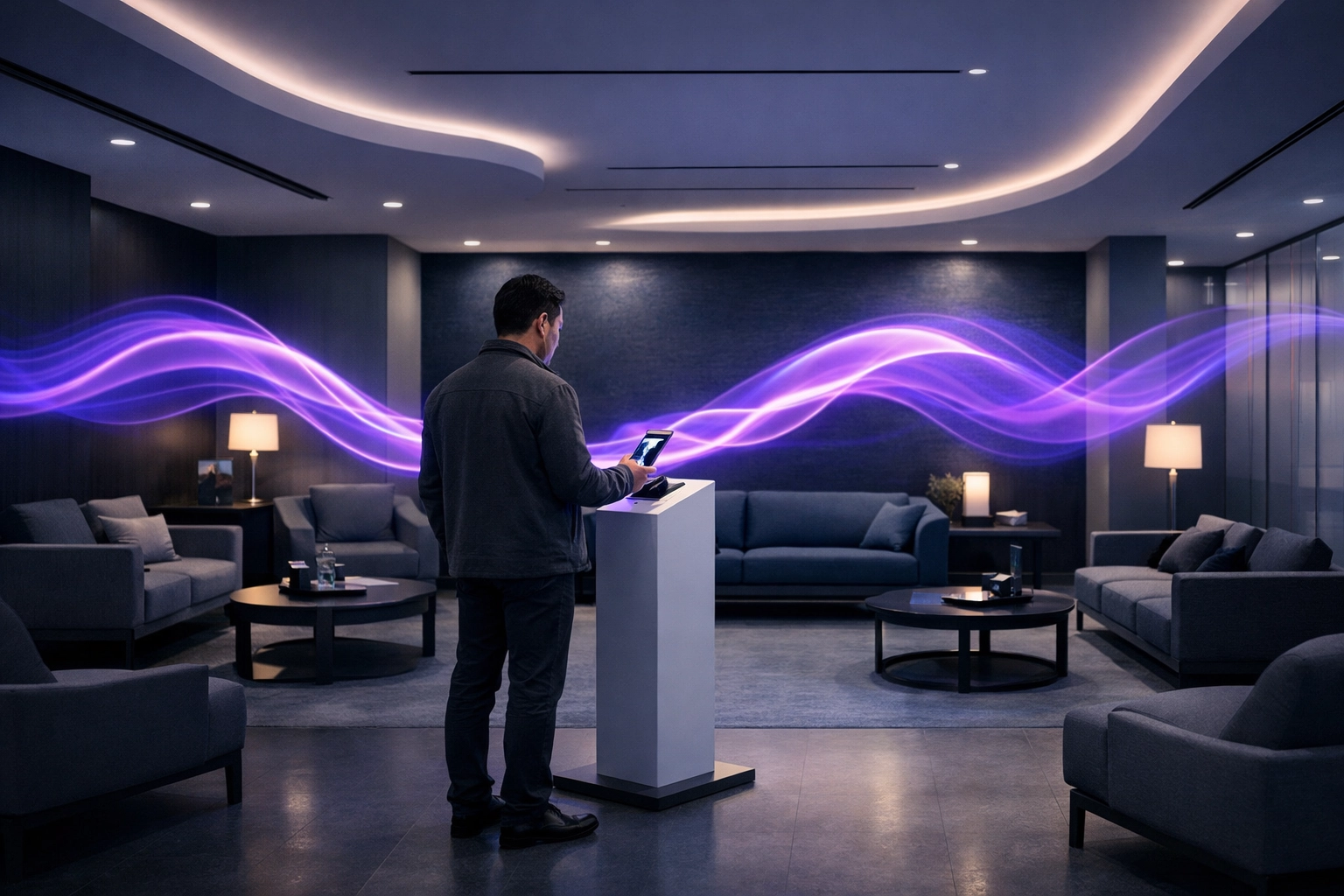
In the modern digital landscape, the gap between consumer expectations and traditional business offerings is widening at an accelerated pace. We live in an era defined by "on-demand" everything: from streaming services to grocery deliveries. Yet, when it comes to customer loyalty, many businesses are still operating with a "marathon" mindset, asking customers to endure long, repetitive cycles before seeing a single ounce of value.
The traditional punch card or the "accrue 1,000 points" model is increasingly out of touch with how the human brain processes rewards. While these programs were designed to keep customers coming back, they often achieve the opposite: fatigue, abandonment, and a negative perception of the brand. To build a truly resilient customer base, you must pivot from the marathon to the "micro-win."
The human brain is hardwired for immediate gratification. When we receive a reward, our brain releases dopamine, a neurotransmitter associated with pleasure, motivation, and learning. The timing of this release is critical. In psychological terms, the "temporal discounting" theory suggests that the perceived value of a reward decreases as the time to receive it increases.
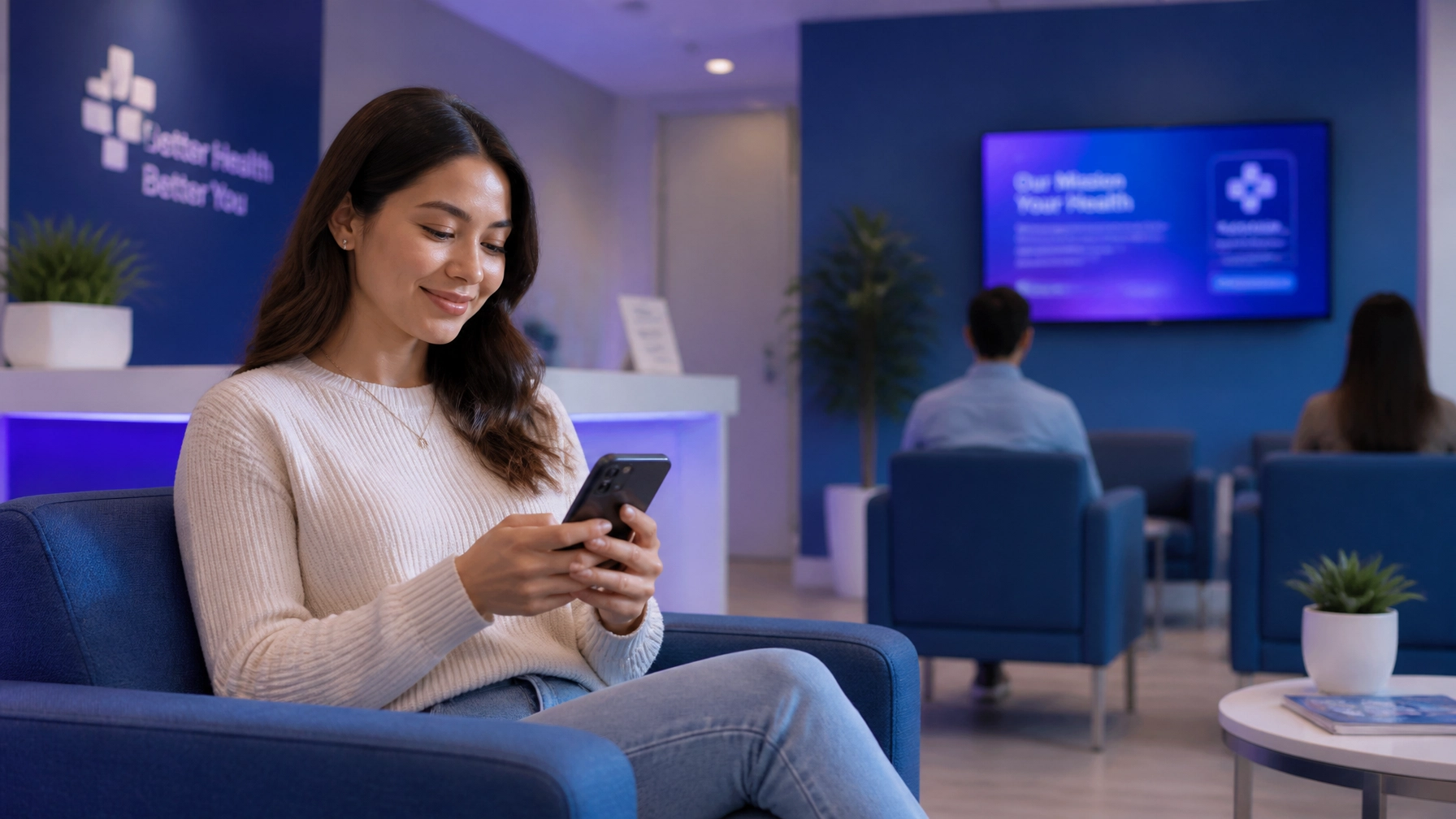
When you offer a micro-win: a small, immediate perk like a free digital magazine, a localized discount, or a quick piece of engaging content: you trigger a dopamine hit instantly. This creates a positive neurological association with your brand.

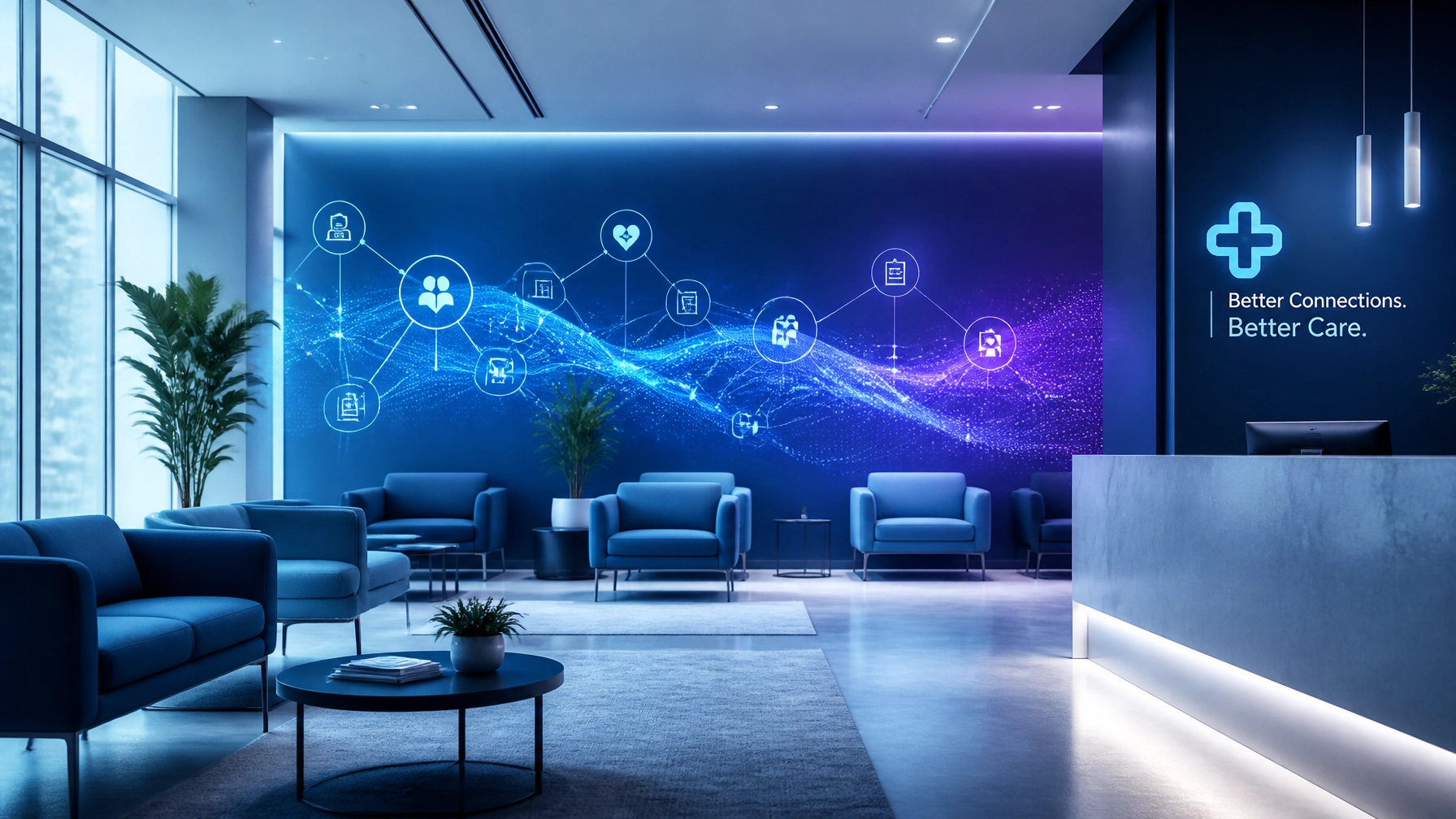
The psychology of loyalty becomes even more complex when you factor in the environment. For businesses in sectors like healthcare, auto repair, or salons, the customer is often in a "waiting" state.
Waiting rooms are unique psychological environments. Customers often experience heightened cortisol levels (the stress hormone) due to uncertainty about wait times or the nature of their appointment. In this high-stress, low-patience state, the "marathon" loyalty program is not just ineffective: it is annoying.
When stressed, the brain’s prefrontal cortex: the area responsible for long-term planning: takes a backseat to the more reactive parts of the brain. Your customers are not thinking about the free oil change they might get in six months; they are thinking about the discomfort of the plastic chair they are sitting in right now.
By providing a micro-win during the wait, you are not just "rewarding" them; you are providing a psychological intervention that lowers stress and transforms a negative experience into a positive one.
In my recent discussions, I’ve highlighted three common pitfalls that sink loyalty programs. From a psychological standpoint, these traps are rooted in how we manage mental energy and perceive value.
Most programs fail before they start because they ask for too much "cognitive labor." If a customer has to download an app, verify an email, and fill out a profile just to start earning points, they will likely decline. This is known as the "Mental Load."
When rewards feel unattainable, customers experience a form of "loss aversion." They feel like the effort they put in (the "cost") will never be compensated. Hyperbolic discounting also kicks in: the reward in the distant future is worth almost nothing to the brain today.
Traditional programs often attract "Reward Junkies": people who are loyal to the discount, not the brand. This happens because the reward is too disconnected from the actual experience of the business.
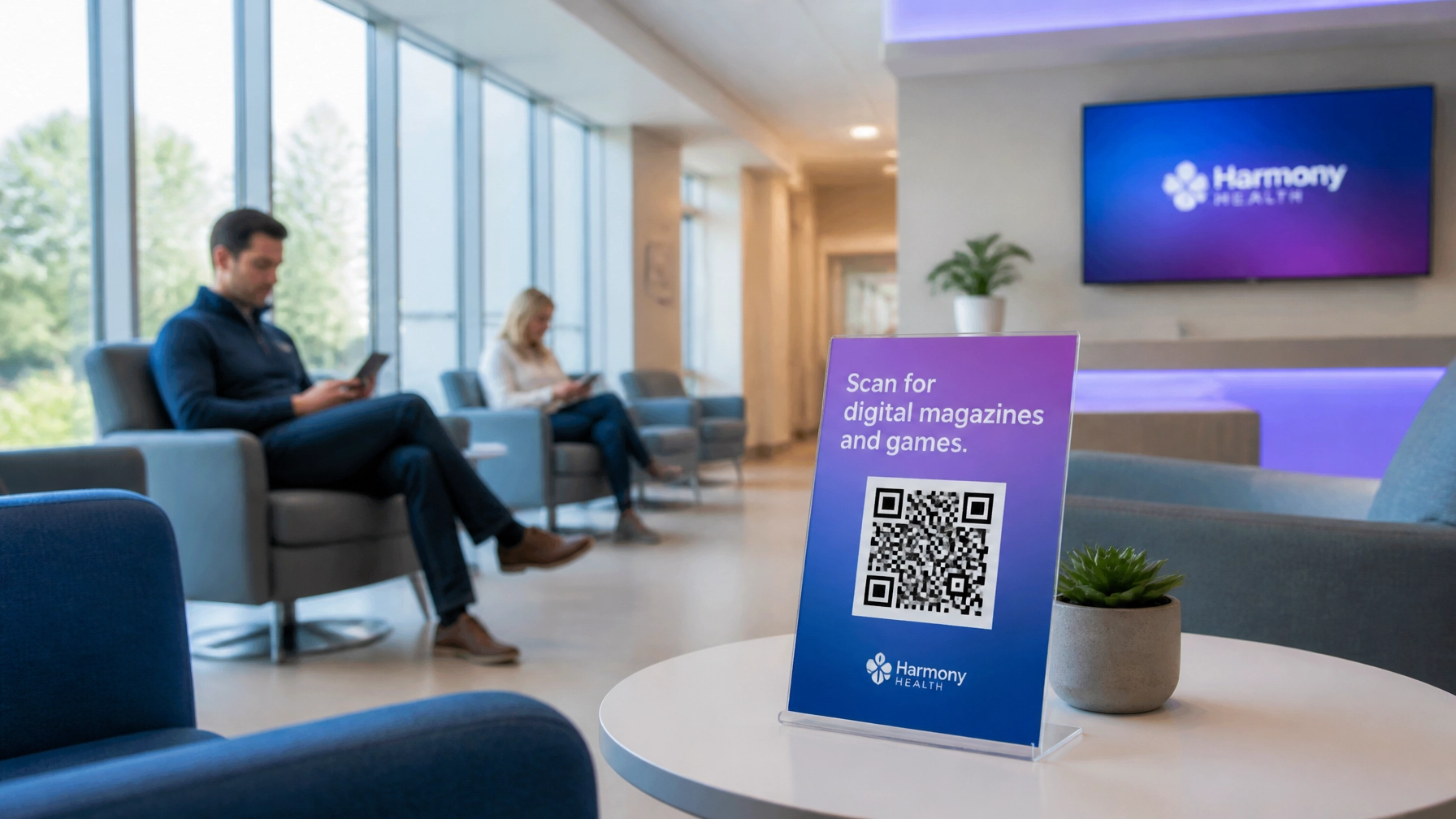
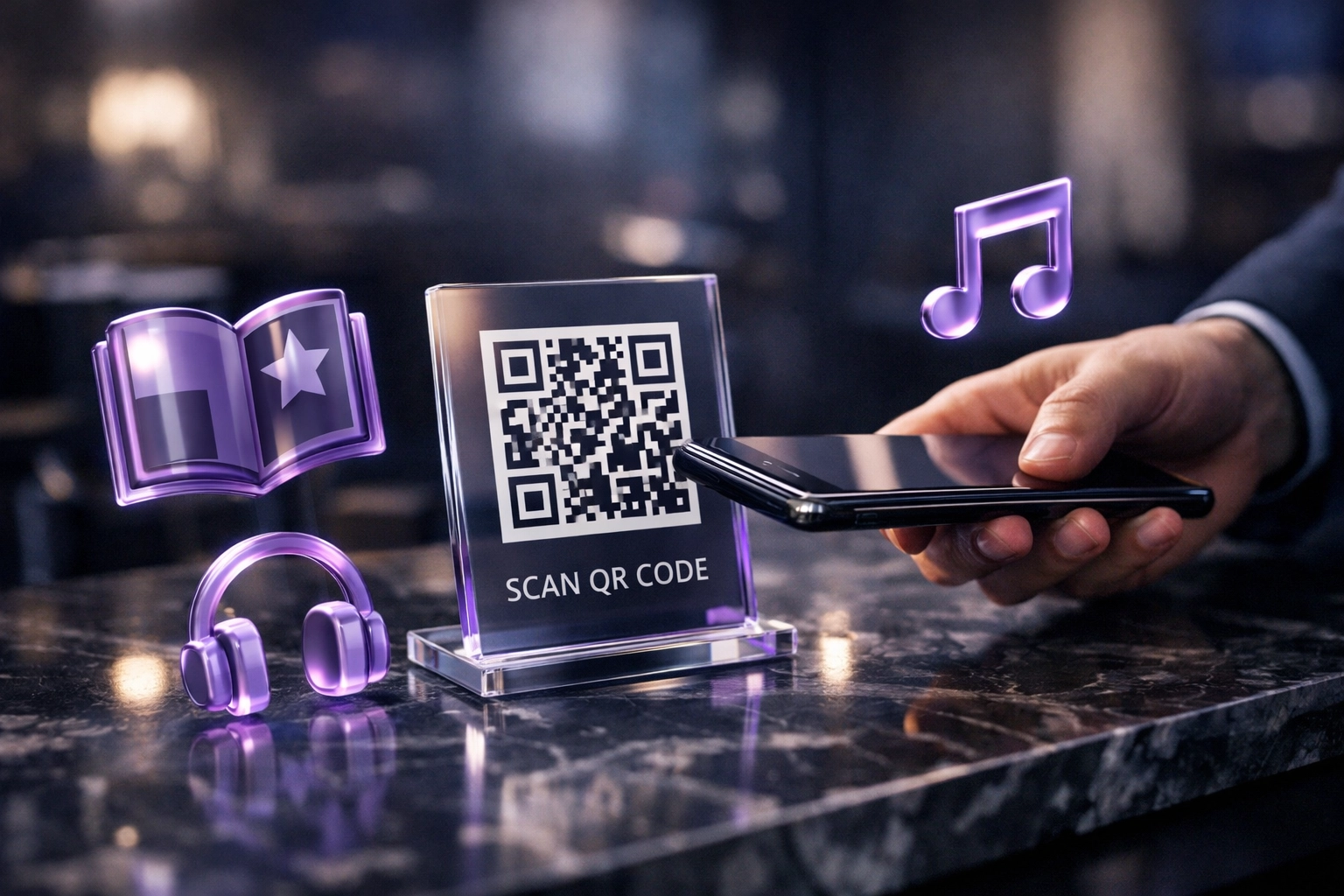
If the micro-win is the "what," the frictionless QR code is the "how." In a world where we are constantly bombarded with notifications and digital clutter, simplicity is a premium.
A QR code placed strategically in your waiting area or at the point of sale acts as a "nudge." It requires minimal physical and mental effort.
For more information on how this applies to specific industries, explore our solutions for hospitality or dining.
Transitioning from a marathon loyalty model to a micro-win strategy does not require a total overhaul of your operations. It requires a shift in perspective.
The businesses that thrive in the coming years will be those that respect their customers' time and mental energy. We are moving away from a transactional economy and toward an "experience economy." In this new world, the way you make a customer feel during their stay is just as important as the service you provide.
By focusing on the psychology of the micro-win, you are building a brand that feels generous, modern, and attentive. You are moving away from the "punch card" mentality and toward a relationship built on consistent, positive interactions.
Ready to transform your waiting room from a place of stress into a hub of engagement? Let's move beyond the marathon and start delivering wins that actually matter to your customers.
Building a loyalty strategy that actually works doesn't have to be a marathon for you, either. If you are ready to see how frictionless micro-wins can boost your retention and customer satisfaction, I’d love to show you how our platform handles the heavy lifting.
Book a strategy session with Scott T. Janney here
Whether you're looking to improve your Google reviews or simply want to provide a better experience for your visitors, we have the tools to help you succeed. Let's ditch the punch card together.