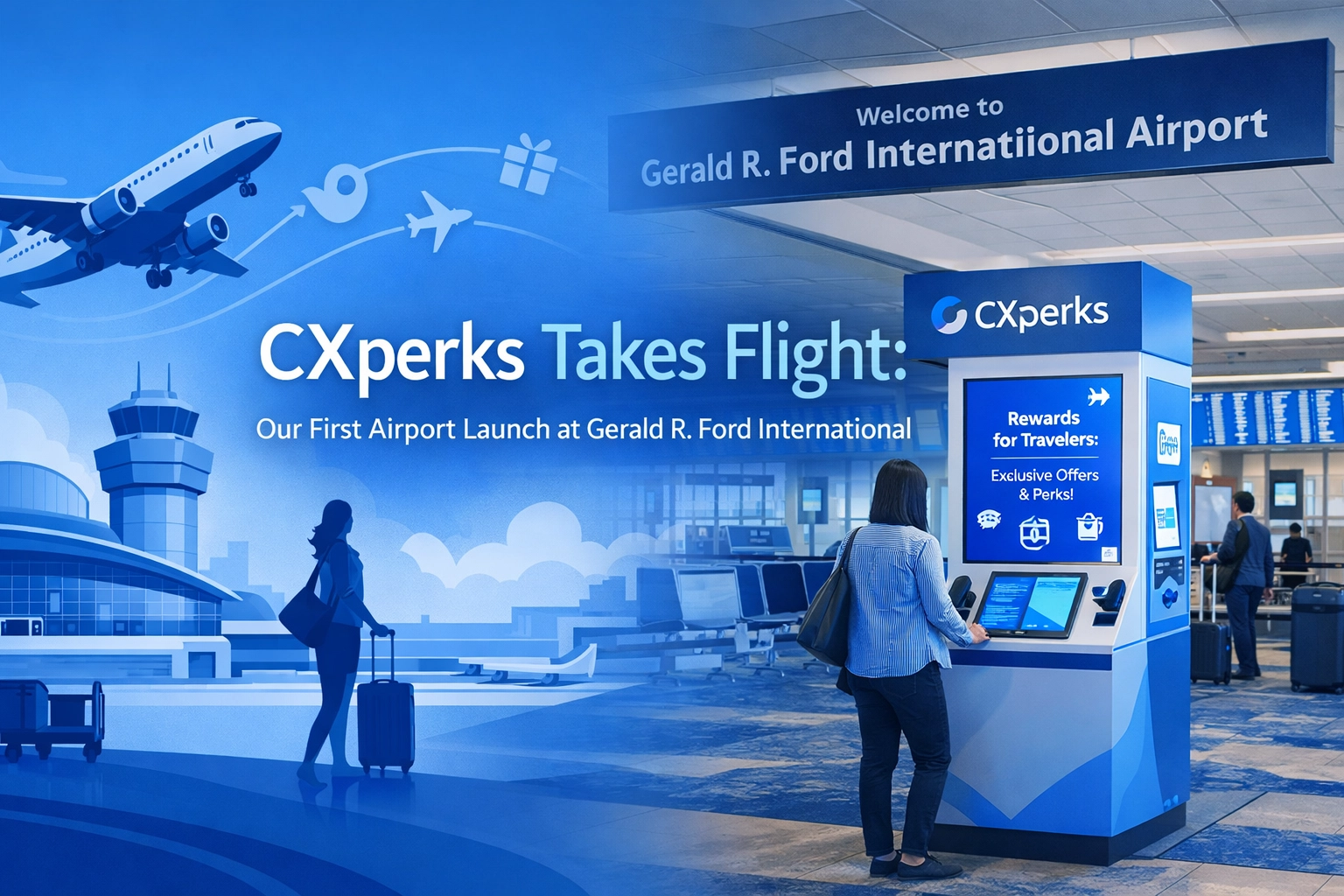
CXperks Takes Flight: Our First Airport Launch at Gerald R. Ford International
March 11, 2026
Learn More




In today's digital-first marketplace, online reviews have become the modern word-of-mouth, and Google reviews are the crown jewel. Yet most businesses struggle with the same challenge: how do you ask for reviews without making customers feel uncomfortable or pressured? The answer isn't asking harder or more frequently. It's about asking smarter, at the exact moment when customers are already engaged and receptive.
Walk into most businesses and you'll see the usual suspects: a desperate "Please review us!" sign at the checkout counter, a QR code plastered on the window, or staff awkwardly mentioning reviews as you're trying to pay and leave. These approaches share a fatal flaw: they interrupt the customer experience rather than enhance it.
Think about it from the customer's perspective. You've just had a great haircut, finished a delicious meal, or wrapped up a dental appointment. You're ready to move on with your day. Then comes the ask: "Would you mind leaving us a Google review?" Even if you loved the experience, you're thinking about your next errand, not pulling out your phone to navigate through Google's review process.
The result? Most customers say "sure" and never follow through. Not because they didn't care, but because the timing was off and the friction was too high.
Here's what most businesses miss: your customers are already spending time in your space doing absolutely nothing. Waiting for their appointment. Sitting in your lobby. Standing in line. These moments aren't dead time: they're golden opportunities.

When someone is waiting, they're mentally available. They're often already on their phone, scrolling through social media or checking emails. Their guard is down, and they're receptive to engagement. This is when review requests feel natural, not pushy.
The secret is building the review prompt directly into activities that make wait time enjoyable. Instead of interrupting the customer journey with a review request, you're weaving it seamlessly into an experience they're already having.
Modern review acceleration moves beyond simple QR codes. It creates a frictionless pathway from engagement to review that feels organic and voluntary.
The Basic Flow:
This approach works because it respects the customer's time and attention. You're not demanding anything. You're offering value first, then providing an easy way to reciprocate.
Why This Converts Better:
You don't need a tech overhaul to make this work. The key is creating touchpoints where customers naturally pause and adding value before making the ask.
Strategic Placement Points:
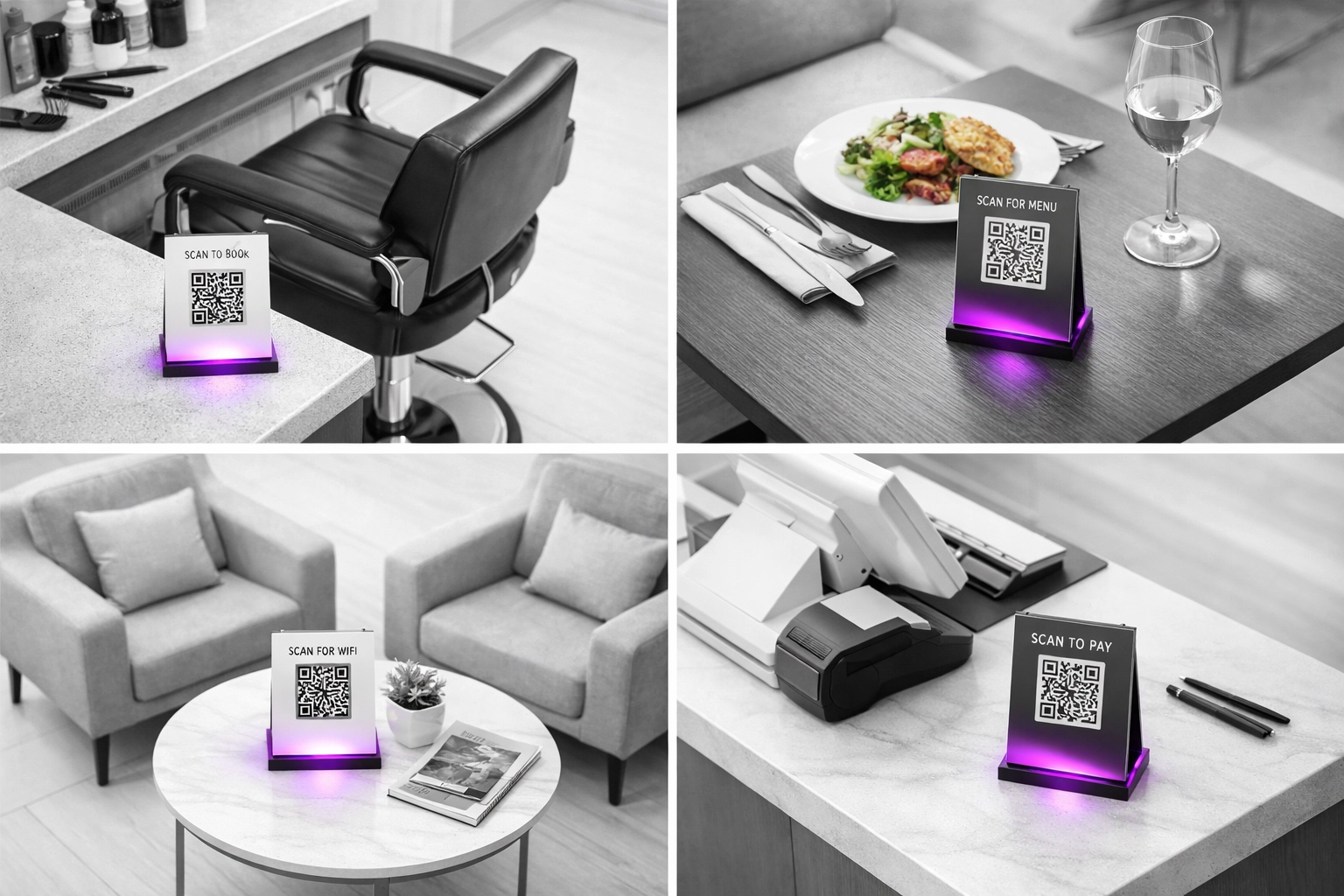
The placement should align with where customers have genuine downtime, not where they're rushed or focused on completing a transaction.
Creating the Right Content Mix:
Your wait-time experience should offer genuine value. Think:
The content creates goodwill. The review prompt rides that wave of positive engagement.
1. Keep the Message Simple and Genuine
Skip the corporate speak. Try something like:
The language should match your brand voice and feel conversational, not transactional.
2. Make It Ridiculously Easy
Every additional step costs you reviews. The ideal flow takes customers from engaged to reviewed in under 30 seconds. Pre-populate what you can (business name, location), and let them focus on writing their thoughts.
3. Time It Right
The prompt should appear after customers have engaged with your content for at least 30-60 seconds. They've already invested time, they're in a positive mindset, and they're more likely to follow through.
4. Don't Interrupt the Experience
If someone is mid-game or deeply engaged in content, wait for a natural pause. The prompt should feel like a gentle suggestion, not a popup ad that hijacks their attention.

5. Respect Privacy and Preferences
Always make it clear that reviews are optional. Some platforms, like CXperks, handle this intelligently by showing the prompt once per session and remembering if a customer has already reviewed, so they're never asked twice.
Businesses that embed review requests into wait-time experiences typically see conversion rates 3-5x higher than traditional methods. Why? Because you're not asking customers to do something extra: you're integrating it into time they were already spending with you.
Consider a hair salon. Traditional approach: receptionist hands you a card with a QR code as you're paying. New approach: while your color is processing, you scan a code to play a quick game or browse style inspiration, then get a gentle prompt to review.
Same customer, same experience quality, dramatically different review rates.
Track these metrics to understand your review acceleration performance:
Most businesses see their first uplift within 1-2 weeks of implementation. The key is consistency: keep the experience fresh, update content regularly, and maintain the quality of service that earns good reviews in the first place.
"Won't customers find this manipulative?"
Not if you're offering genuine value first. The difference between manipulation and smart marketing is whether you're helping the customer or just helping yourself. When you make waiting more enjoyable and then offer an easy way to share feedback, you're doing both.
"What if we get negative reviews?"
You'll get those anyway: at least this way you're seeing them quickly and can respond. Plus, businesses that actively solicit reviews tend to have higher overall ratings because happy customers outnumber unhappy ones; they just need a gentle nudge to speak up.
"This sounds complicated to set up."
Modern solutions have made this simple. Platforms like CXperks offer turnkey review acceleration built into customer engagement tools. You get the QR codes, content library, and one-tap review prompts in one package. Setup takes minutes, not weeks.
Review acceleration isn't just about numbers: it's about building a reputation engine that runs automatically while enhancing your customer experience. When done right, customers don't feel like they're being asked for reviews. They feel like they're being given an opportunity to share something good.
That subtle shift in perception makes all the difference. You're not pushing for reviews. You're creating conditions where leaving a review feels like the natural next step for a satisfied customer.
Ready to transform your in-store review strategy? The tools are simpler than you think, and the results speak for themselves. Start by identifying your highest-traffic wait points, add valuable content to those moments, and watch your reviews (and reputation) grow naturally.
Ready to transform your waiting room experience? Book a quick strategy session with our CEO, Scott T. Janney, here.